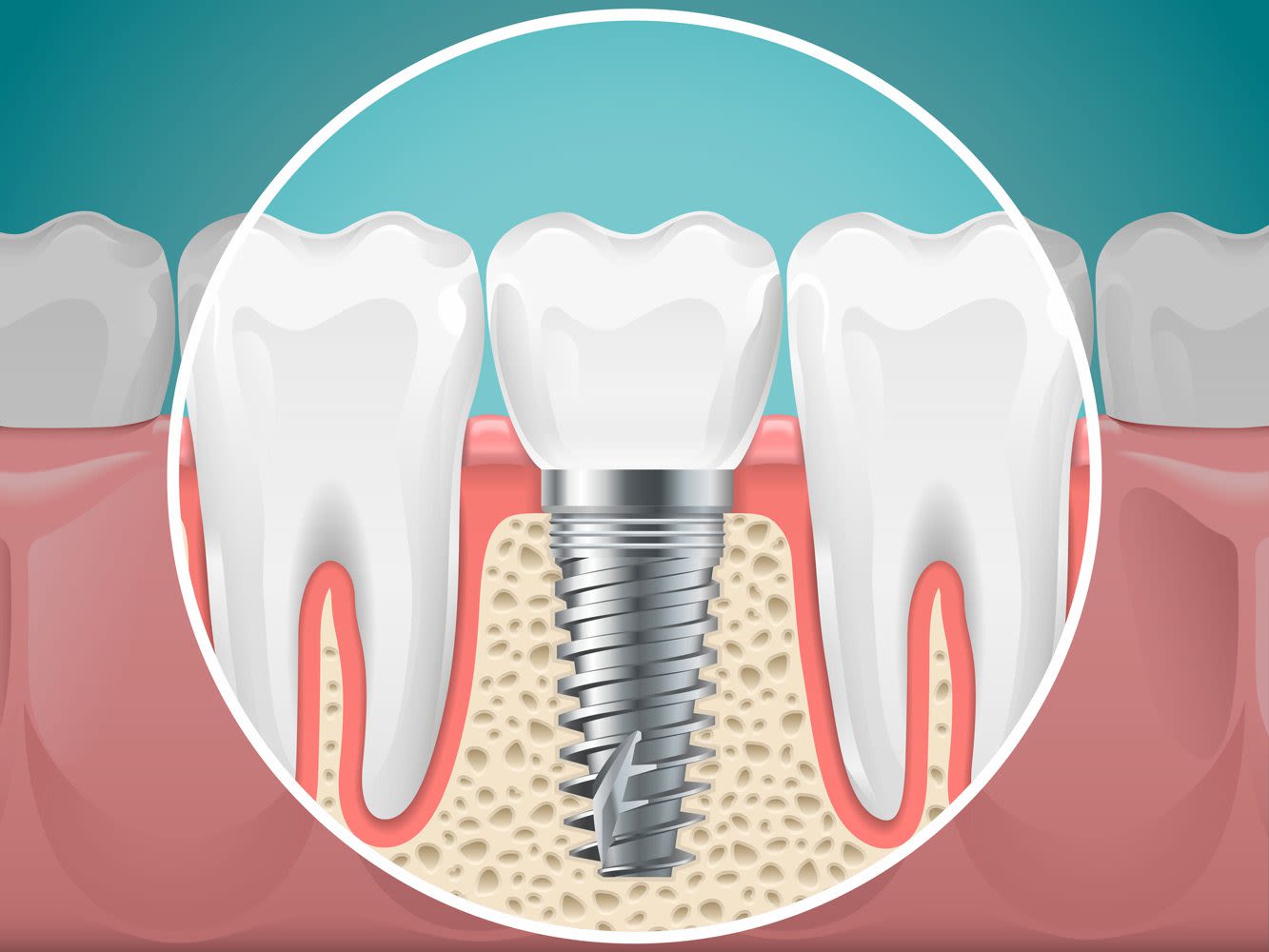
Dental Crowns are custom-made caps that are used to restore and strengthen a weak or broken down tooth. They can be used to strengthen cracked teeth or for aesthetic reasons to improve your smile by changing the shape and colour of your teeth. Dental Crowns in Lower Hutt can be made out of a variety of different materials including gold and most commonly porcelain. Porcelain is used due to its high strength and natural aesthetic colour and appearance.

How Do Dental Crowns Work?
Crowns are used to replace the outermost component of a tooth in order to restore its original function and provide a natural look. Dental Crowns in Lower Hutt are the treatment of choice when dental disease has destroyed the majority of the original tooth, when a traumatic incident has caused considerable damage, or when serious enamel erosion or wear has occurred.
Crowns Can Be Completed On A Single Visit
Using computer-assisted design technology, we can produce natural and aesthetically pleasing crowns in-house at Naenae Dental Clinic. This means that the majority of our crowns are finished in a single session and require only one dental appointment. To provide the finest quality outcomes for our patients, dentist in Lower Hutt do not collaborate with any outside dental laboratories.
Inlays and Onlays Are One Alternative
Inlays and on lays are ceramic alternatives to traditional fillings that are typically utilised in the rear teeth. They are used to restore teeth that are decaying or fractured but not severely damaged enough to require a crown. When there is too much damage or decay in the tooth structure to be safely and consistently repaired with a dental filling, inlays and on lays are employed. Aside from enhancing the aesthetics of a tooth, inlays and on lays are extremely durable since they are constructed of robust, hard-wearing porcelain materials and, unlike standard fillings, may help strengthen teeth. As a result, they assist to extend tooth life and reduce the need for more dental treatment in the future.
Frequently Asked Questions About Dental Crowns in Lower Hutt
Yes, a dental crown is often recommended following root canal treatment. Once the inner tissue of a tooth has been removed during a root canal, the remaining tooth structure can become more brittle over time. Placing a crown over the treated tooth helps to protect it and restore its function. At our Lower Hutt clinic, we will advise whether a crown is appropriate for your situation after assessing the condition of the tooth.
At Naenae Dental Clinic, we will carry out a thorough examination, which may include X-rays and visual assessment, to determine how much healthy tooth structure remains. If the damage or decay is limited, a filling may be sufficient. However, if a significant portion of the tooth has been affected, a crown may offer better long-term protection. The recommended treatment will always be based on your individual clinical needs.
When a tooth-coloured material such as porcelain or ceramic is selected, we shade the crown to closely match your surrounding teeth. We will assess the colour of your natural teeth and work to achieve a result that looks consistent with your overall smile. The final appearance will depend on the material chosen and the location of the crown in your mouth.
Before a crown is placed at our Lower Hutt clinic, the tooth needs to be prepared by reshaping it so the crown can fit securely. This typically involves removing a small amount of the outer tooth surface. We use a local anaesthetic during this stage to keep you comfortable. We will also take a digital scan or impression of your teeth to ensure the crown is made to fit accurately.
In some cases, a crown may become loose or dislodged, particularly if the underlying tooth develops decay, the dental cement weakens, or the crown is subjected to excessive force. If you notice your crown feels loose or has come off, it is important to contact us at Naenae Dental Clinic promptly. Avoid attempting to reattach it yourself, and keep the crown safe to bring to your appointment.
After a crown is placed, we may recommend avoiding very hard or sticky foods for a short period while you adjust to the new restoration. Some patients experience mild sensitivity to temperature in the days following treatment, which generally settles on its own. We will provide specific aftercare guidance based on your treatment and the type of crown placed.
Dental crowns can be used in younger patients in certain circumstances, such as when a tooth has been significantly damaged by decay or injury. The approach and material used may differ from those recommended for adults, particularly if the patient still has developing teeth. At our Lower Hutt clinic, we will assess the situation carefully and discuss the most appropriate restorative option for your child.
If a crown is recommended and treatment is delayed, the affected tooth may be at greater risk of further damage, fracture, or infection. In some cases, a tooth that could have been restored with a crown may eventually require extraction if left untreated. We will explain the risks of delaying treatment so you can make an informed decision about your care.
At our Lower Hutt clinic, we use digital scanning and CAD/CAM technology to assess your natural bite and tooth alignment before the crown is created. This helps to ensure the crown fits accurately and does not interfere with how your upper and lower teeth come together. We will also check the fit and bite adjustment at the time of placement and make any necessary refinements.
Some degree of sensitivity around the treated tooth is relatively common in the days following crown placement, particularly to temperature or pressure. This usually settles as the tooth and surrounding tissues adjust to the new restoration. If sensitivity is significant or continues beyond a couple of weeks, it is worth contacting us at Naenae Dental Clinic in Lower Hutt so we can assess whether any further attention is needed.