If you’ve experienced a tooth loss and are suffering with a gap in your smile or bite, a dental bridge may be suitable for you.
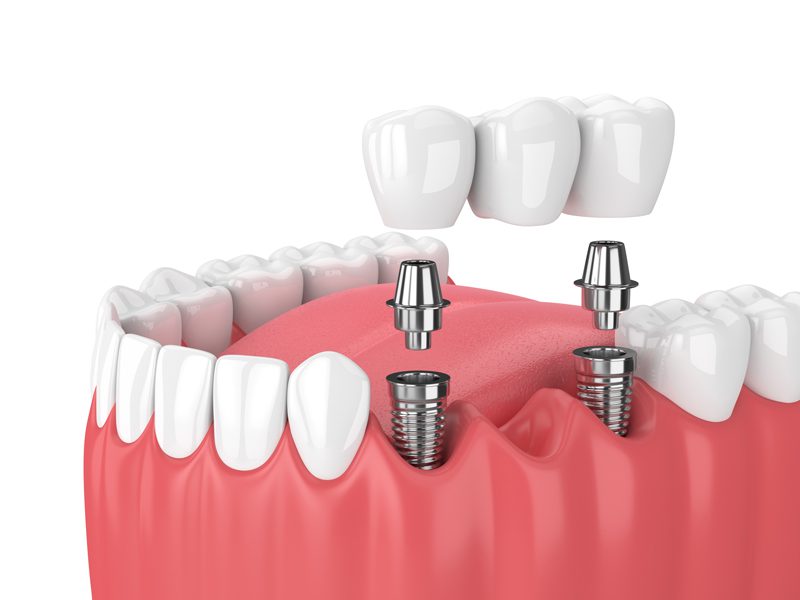
What Is A Dental Bridge?
If you are missing one or more teeth, a dental bridge is usually used to fill the gap. Fixed bridges are attached to neighbouring teeth, whether natural or implanted, on each side of the missing tooth. Dental bridges in Lower Hutt can be used to enhance a tooth’s look, shape, alignment, and dental occlusion in addition to reinforcing a broken tooth (bite). Missing tooth gaps can cause the remaining teeth to move, resulting in a misaligned bite. Bridges have a role in preventing this from happening.
Replace Missing Teeth With Porcelain Bridges
Porcelain bridges are a common form of bridge that may be used to repair lost teeth. They may be fashioned to look exactly like your natural teeth and biting pattern. Porcelain is an extremely durable material that can endure the mechanics of your natural bite while also organically mimicking the appearance and function of your original tooth enamel.
In-House Teeth Restoration Options Available
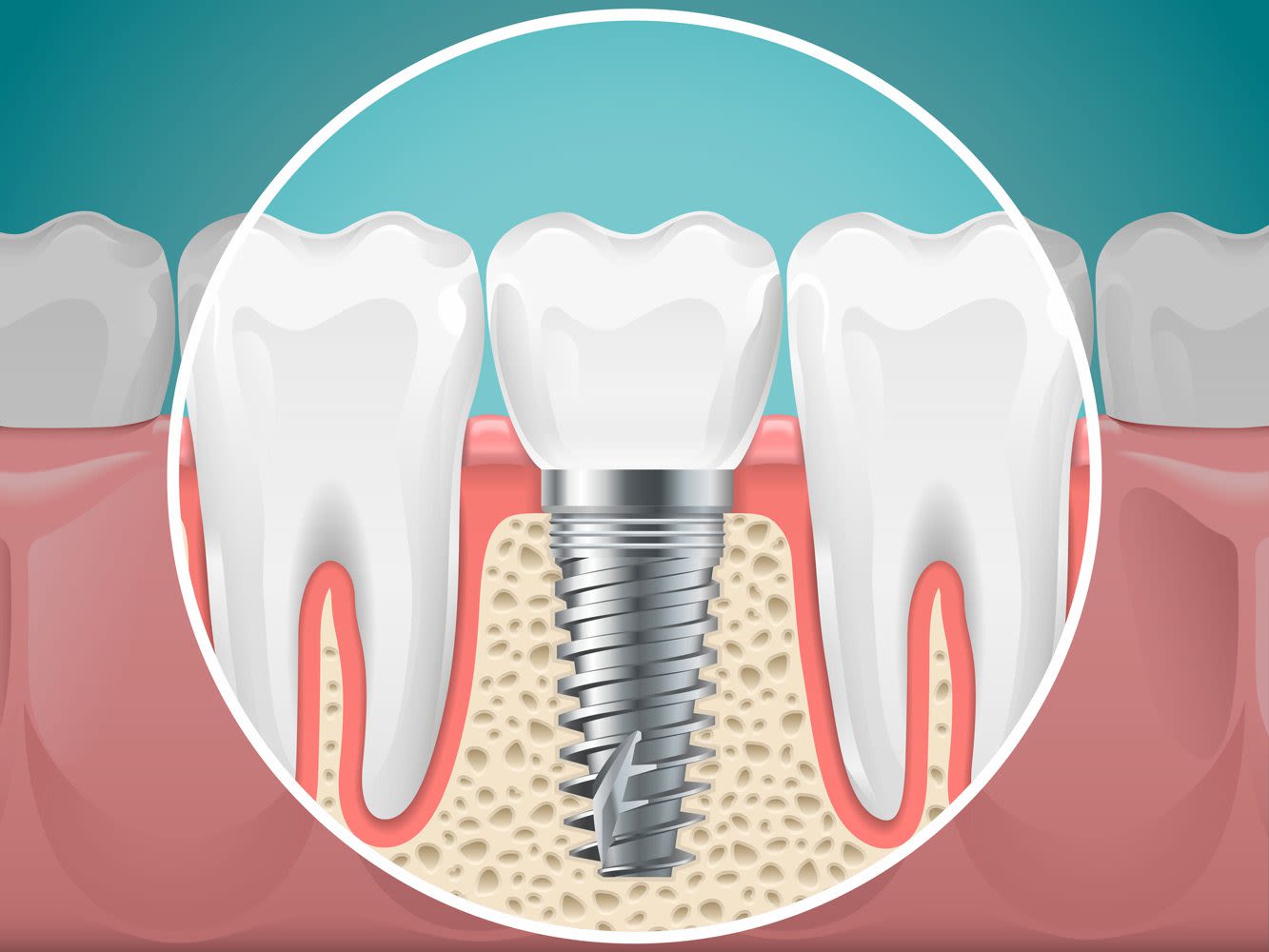
Using computer-aided design technology, our skilled staff at Naenae Dental Clinic can construct natural-looking and aesthetically acceptable restorations in-house. This technology enables us to create detailed restorations by assessing your natural bite and tooth orientation to ensure that the bridge repair fits flawlessly onto your teeth. Implant-supported dental bridges are an additional option for restoring lost teeth. These bridges are supported by dental implants rather than crowns or frames.
For further information, please contact our dentist in Lower Hutt or come to our Wellington dental office.
Frequently Asked Questions About Dental Bridges in Lower Hutt
When a tooth is lost, the jawbone in that area no longer receives the stimulation it needs from chewing, which can lead to gradual bone loss over time. This may affect the shape of your jaw and the support structure for surrounding teeth. At our Lower Hutt clinic, we can explain how different tooth replacement options such as a dental bridge may relate to bone health in your specific case during your consultation.
Gum disease needs to be assessed and managed before a dental bridge can be placed, as healthy gum tissue and supporting bone are important for the long-term stability of the restoration. If gum disease is present, we will discuss a treatment plan to address it before proceeding with a bridge. A thorough examination at our Lower Hutt clinic will help us determine the most appropriate course of action for your oral health.
Most patients find that eating becomes more comfortable after a bridge is placed, as the gap is filled and chewing function is restored. There may be an adjustment period while you become accustomed to the new restoration. We may suggest starting with softer foods initially and gradually reintroducing your regular diet as you feel comfortable. Any ongoing concerns about eating or bite comfort should be raised with us at your next appointment.
Yes, a dental bridge can be designed to span a gap left by more than one missing tooth. The number of teeth that can be replaced with a single bridge depends on factors such as the strength and condition of the supporting teeth or implants and the location of the gap. At our Lower Hutt clinic, we will assess your individual situation and discuss whether a bridge is a suitable option for replacing multiple teeth.
At Naenae Dental Clinic, we will carry out a comprehensive assessment of your teeth, gums, and bite before recommending a bridge type. Factors such as the number of missing teeth, the health of adjacent teeth, and whether dental implants are involved all influence which design is most appropriate. We will walk you through the available options and explain the reasoning behind our recommendation.
The teeth used to support a traditional bridge do require some preparation, which involves the removal of a small amount of enamel. This is an irreversible step, and it is important that you understand this before proceeding. We will explain the procedure thoroughly beforehand so you are fully informed. Good oral hygiene around the supporting teeth is also important to help maintain their long-term health.
If your bridge feels uncomfortable, causes pain, or your bite does not feel quite right after placement, please contact us at Naenae Dental Clinic in Lower Hutt to arrange a review appointment. Minor adjustments to the fit or bite can often be made easily. It is important not to leave these concerns unaddressed, as an uneven bite over time may place unnecessary stress on the bridge and surrounding teeth.
Yes, a dental bridge can be replaced if it becomes worn, damaged, or no longer fits well. We will assess the condition of the bridge and the supporting teeth to determine the most appropriate approach. Regular check-ups at our Lower Hutt clinic allow us to monitor the bridge and identify any concerns early, before more significant issues develop.
The number of appointments required depends on the type of bridge and your individual treatment needs. For some bridges created using our in-house CAD/CAM technology, fewer appointments may be needed. In other cases, particularly where more complex preparation is involved, more than one visit may be required. We will outline the expected process during your initial consultation.
It is generally recommended to allow the gum and bone to heal for a period of time following an extraction before placing a bridge. The exact timeframe can vary depending on your healing and individual circumstances. We will assess the area and advise you on the most appropriate time to proceed with tooth replacement. Waiting until the site has healed adequately helps to ensure a better fit and outcome for the restoration.