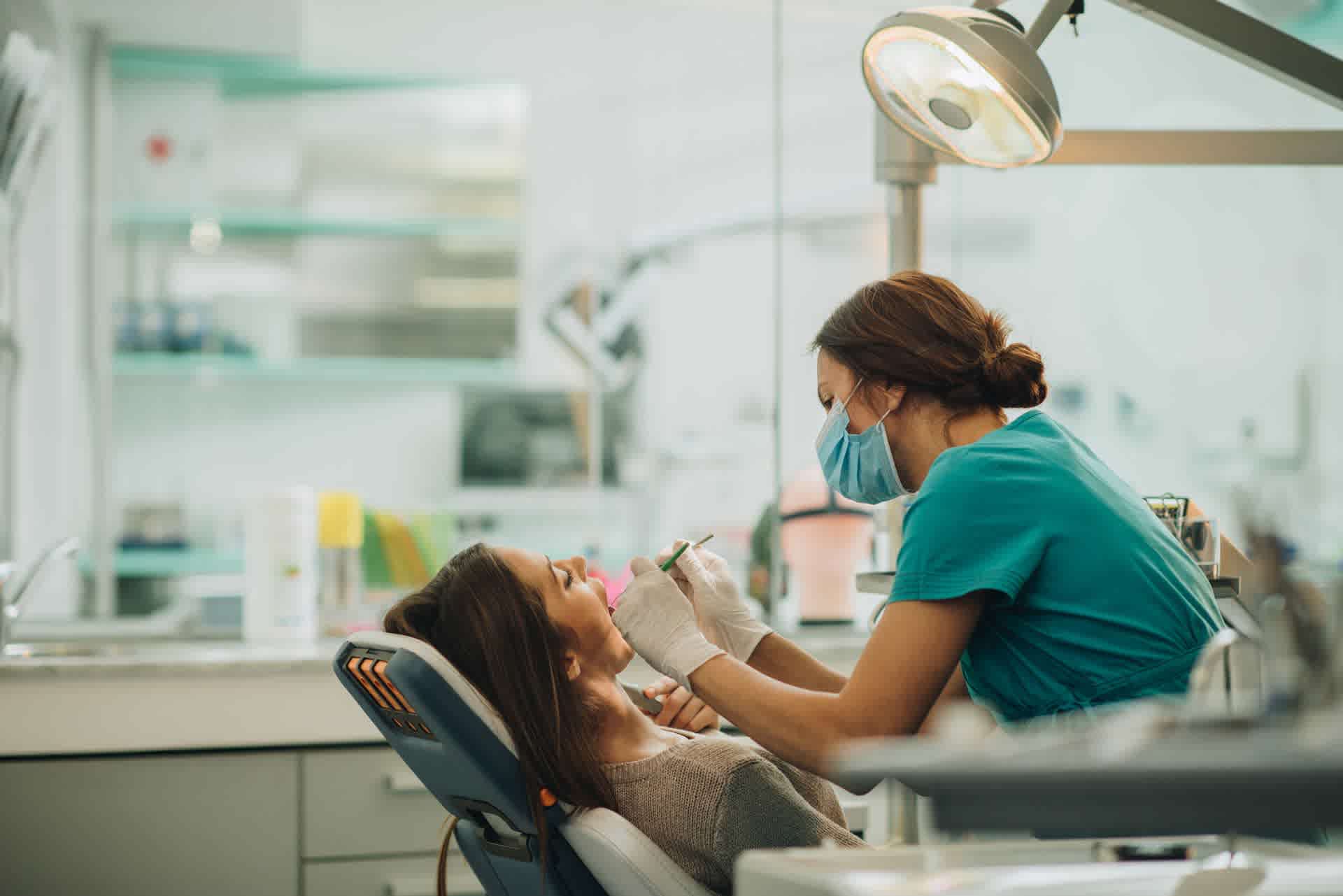
Dental sedation is a safe and reliable method to keep a patient calm and relaxed using an IV drip. It is designed to help make difficult or lengthy procedures much easier on the patient by keeping you conscious but sedated throughout the treatment.

Prior to the onset of the treatment, your dentist or sedation expert will insert a drip into a vein in your arm. This will induce a feeling of relaxation and mild sleepiness, though you’ll remain alert during the procedure, able to communicate and follow to directions as required. You will also be given a local anesthetic so that you feel no pain throughout the treatment.
Throughout the procedure, monitoring equipment will consistently track your vital signs. Even if the complete treatment takes up to two hours, it will likely appear as only a few moments due to the effects of sedation. In addition, your memory of the procedure will be very little due to the amnesic effects of the IV sedation.
When is dental sedation used?
Sedation is applied in dentistry for a variety of treatments, and sometimes even for less complex procedures if seen necessary.
For example, patients undergoing dental implant procedures or wisdom teeth extraction often need sedation dentistry. Both these procedures can have discomfort, especially if the wisdom teeth are impacted or placed in tricky positions.
Another typical use of sedation occurs during total clearances, where it becomes essential to remove a majority, if not all, teeth. Essentially, sedation proves beneficial for any process that extends over a considerable duration and could cause discomfort or anxiety to the patient.
As a result, it is occasionally also recommended for patients who suffer from dental phobia or an acute gag reflex.
How to know when to use dental sedation?
In certain instances, your dentist may suggest sedation for an upcoming procedure. Although you can decline the sedation if you choose not to utilise it, generally, if a dentist proposes this alternative, it’s probable that the procedure would be uncomfortable without it.
However, if you feel anxious or apprehensive about a treatment, you can also discuss sedation with your dentist. If sedation enables you to undertake a crucial treatment for your oral health rather than putting it off indefinitely, it could indeed be the right choice for you.
Frequently Asked Questions
No, IV sedation at our Naenae Dental Clinic in Lower Hutt keeps you conscious and able to respond to instructions, but in a deeply relaxed, drowsy state. It’s different from general anaesthesia, where you’d be fully asleep.
Your dentist or sedation provider inserts a small drip into a vein in your arm before treatment begins. This delivers the sedative gradually, and a local anaesthetic is also used to numb the treatment area itself.
Sedation is often used for wisdom teeth removal, dental implant placement, or full-mouth clearances at our Naenae Dental Clinic in Lower Hutt, situations that can involve longer treatment times or more discomfort than routine procedures.
Sedation is closely monitored throughout, with vital signs tracked continuously during the procedure at our Lower Hutt clinic. As with any medical intervention, suitability depends on your individual health history, which is assessed beforehand.
Not necessarily. While it’s commonly used for patients with dental anxiety or a strong gag reflex, sedation at our Naenae Dental Clinic in Lower Hutt is also used for lengthy or complex procedures regardless of anxiety levels.
Yes. Because sedation affects alertness and coordination for several hours, you’ll need someone to drive you home and ideally stay with you afterward. You should not drive yourself following IV sedation.
In some cases, yes, sedation can make it practical to complete more extensive treatment in a single visit, such as during a full clearance. Your dentist will plan this based on what’s appropriate for your specific treatment needs.
Vital signs such as heart rate and oxygen levels are tracked continuously using monitoring equipment for the duration of the procedure, allowing the team to respond immediately if anything changes.
Most patients feel relaxed and comfortable after IV sedation. You may feel a little sleepy for a few hours as the medication wears off. Our team will provide aftercare instructions to help ensure a smooth and comfortable recovery.
Your Naenae Dental Clinic team will provide full preparation instructions ahead of your appointment. You will generally be asked to fast beforehand, arrange a trusted adult to drive you home, and inform your dentist of any medications you are taking. Following these steps helps ensure your IV sedation appointment in Lower Hutt goes smoothly and safely.
Phone
Fax
Opening Hours
Monday: 9am – 7pm
Tuesday: 9am – 7pm
Wednesday: 9am – 5pm
Thursday: 9am – 7pm
Friday: 9am – 7pm
Saturday: 9am – 4pm
Sunday: 9am – 4pm