
When you are faced with replacing missing teeth, cost is often one of the first things on your mind. Dental implants carry a higher upfront cost than conventional dentures that much is straightforward. But the full picture of long-term value is worth understanding before making a decision you will live with for years or decades.
For many patients, the real question is not which option is cheaper today, but which one holds up better over time in terms of oral health, comfort, function, and total cost. This guide looks at both options honestly so you can make a well-informed choice.
At Naenae Dental Clinic in Wellington, the team offers a range of tooth replacement options including dental implants, implant-supported dentures, and conventional dentures. A thorough consultation can help you determine which is most appropriate for your individual situation and budget.
A Quick Overview of Each Option
Conventional dentures are removable prosthetics, either full or partial, that sit on top of the gum ridge. They do not attach to the jawbone and rely on the gum ridge, and in some cases adhesives, for stability. They have been used in dentistry for a long time and remain a practical option for many patients.
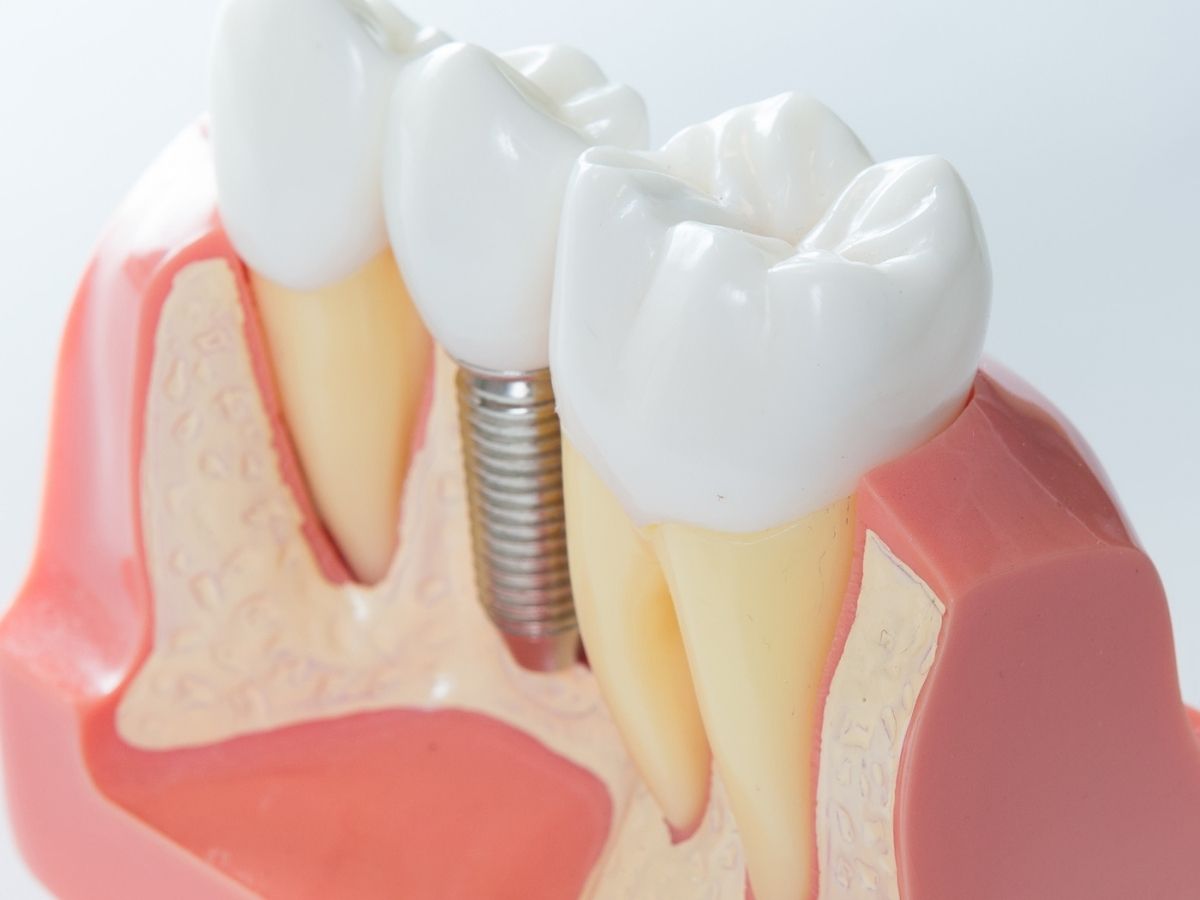
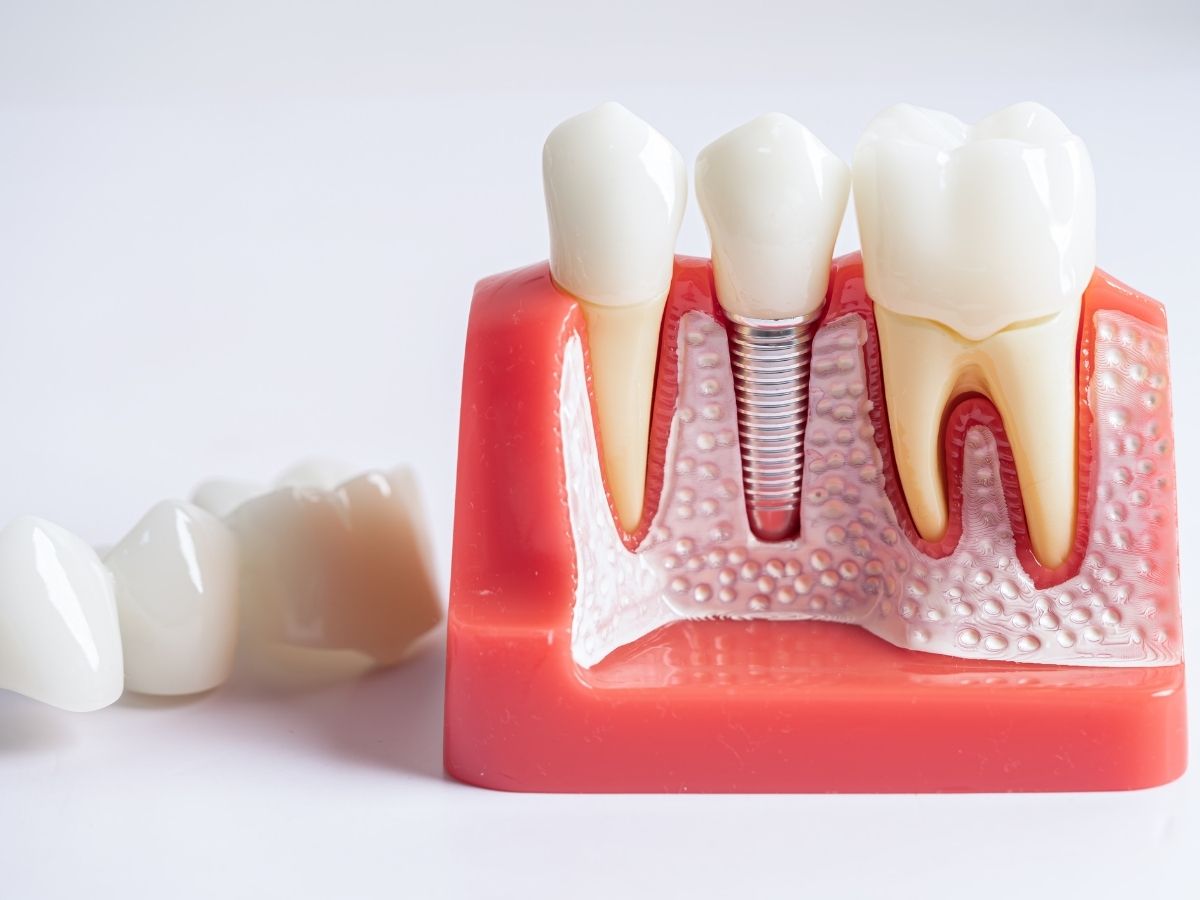
Dental implants in Lower Hutt are titanium posts surgically placed into the jawbone, onto which a crown, bridge, or implant-supported denture is attached. Because they integrate directly with the bone through a process called osseointegration, they function much more like natural teeth in terms of stability and how chewing forces are distributed.
Both options can restore appearance and basic function. Where they differ significantly is in what happens over the years that follow.
How the Long-Term Costs Compare
The initial cost of dental implants is higher than conventional dentures, and it would be misleading to suggest otherwise. But cost comparisons that only look at the starting figure miss a great deal of what actually happens over a ten to twenty year period.
Conventional dentures typically need to be relined, adjusted, or replaced every five to eight years. This is because the jawbone changes shape over time after tooth loss, and a denture that fitted well initially becomes progressively looser as that process continues. Each relining, adjustment, or replacement carries its own cost. Add to that the ongoing expense of adhesives, specialist cleaning products, and additional dental visits to manage fit issues, and the cumulative outlay over two decades can be considerable.
Dental implants, when properly cared for, are designed to be a long-term solution. The implant itself is intended to remain in place for many years, and in many cases the main component that may need attention over time is the crown attached to it, rather than the implant structure itself. Implants do not require adhesives or specialist cleaning solutions, and they do not become loose as the jaw changes because they are integrated with the bone rather than resting on top of it.
For many patients, the long-term financial comparison looks quite different from the upfront one. Treatment costs vary depending on individual clinical needs, and Naenae Dental Clinic offers payment options to help make treatment more accessible. A consultation will give you a clear and specific picture of the investment involved for your situation.
Oral Health Implications Over Time
Bone Preservation
One of the most clinically significant differences between implants and conventional dentures is what happens to the jawbone over time, and this is a factor that is easy to overlook when focusing on immediate cost.
When a tooth is lost, the bone in that area no longer receives the stimulation it once received from the tooth root during chewing and biting. Without that stimulation, the bone gradually reduces in density and volume, a process known as bone resorption. Over years, this can alter the shape of the jaw and the facial profile noticeably.
Conventional dentures sit on top of the gum and do not address this process in any way. As the bone changes, dentures that once fitted reasonably well become increasingly loose and uncomfortable, which is one of the key reasons they require relining and eventual replacement over time.
Dental implants are placed directly into the jawbone and may help provide stimulation that supports bone health in that area. This can help preserve the jaw structure over the long term and reduce the changes to facial appearance that progressive bone loss can cause.
Impact on Surrounding Teeth
Partial dentures rely on neighbouring teeth for support, using clasps or attachments that can place additional stress on those teeth over time. This can contribute to wear or damage to teeth that were otherwise healthy.
Dental implants are entirely self-supporting. They do not require adjacent teeth to be altered or used as anchors, which means the surrounding teeth are left completely undisturbed. For patients who still have healthy natural teeth remaining, this is a meaningful advantage.
Comfort and Daily Functionality
One of the most commonly reported challenges with conventional dentures is stability, particularly with lower dentures. Slipping during eating, discomfort while chewing firmer foods, and anxiety in social situations involving meals are experiences many denture wearers know well. Adjusting to a new denture can take time, and even a well-fitted one has inherent limitations in how securely it stays in place.
Dental implants are fixed and stable. They do not move during eating or speaking, do not require adhesives to stay in place, and do not need to be removed at night. Most patients find that chewing, speaking, and general day-to-day comfort feel significantly more natural with implants than with removable dentures. Foods that many denture wearers avoid including firm vegetables, chewy meats, and crusty bread typically become accessible again once implants are in place and healing is complete, and your dentist in Lower Hutt will monitor that recovery process closely at each follow-up appointment.
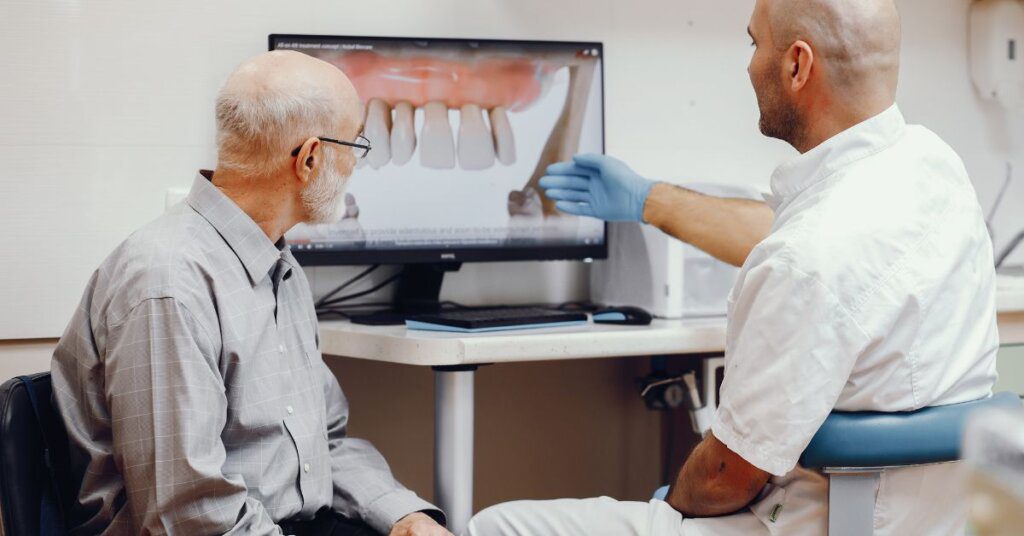
For patients who want improved stability but for whom a full fixed implant solution is not the right fit, implant-supported dentures offer a practical middle-ground. These use two or more implants as anchors to hold a removable denture more firmly in place, delivering meaningfully better comfort and confidence than conventional dentures without the full cost of individual implants for every missing tooth.
Quality of Life Considerations
Beyond the clinical and financial comparisons, many patients report notable improvements in confidence and daily quality of life after choosing implants over conventional dentures. Not needing to remove teeth at night, not being concerned about movement during conversation, and being able to eat a wider range of foods are factors that carry real weight in everyday life.
That said, individual circumstances vary, and it is important to be honest about this. For some patients, particularly those with limited remaining bone density or certain health considerations, conventional or implant-supported dentures may be the more clinically appropriate recommendation. The goal is always to find the right solution for the individual, not to advocate for one option regardless of the circumstances.
Frequently Asked Questions
Are dental implants worth the extra cost?
For many patients, dental implants represent sound long-term value when the ongoing costs and maintenance demands of conventional dentures are factored in. However, value is personal and depends on how you weigh comfort, quality of life, oral health benefits, and total financial outlay over time. A consultation at Naenae Dental Clinic can help you assess the options clearly for your specific situation.
Can I switch from dentures to implants later?
In many cases yes, though the feasibility depends on how much jawbone remains and your general health at the time. Long-term denture wear is associated with progressive bone loss, which may mean bone grafting is needed before implants can be placed. Your dental team can assess your suitability and advise on the most appropriate path forward based on current imaging.
What are implant-supported dentures?
Implant-supported dentures use two or more dental implants as anchors to hold a removable denture more firmly in place. They are more stable and comfortable than conventional dentures, require fewer dental implants than a full fixed implant solution, and suit patients who want improved stability and confidence without the cost of replacing each missing tooth individually with an implant and crown.
How long do dental implants last?
Dental implants are designed to be a long-term tooth replacement solution. With good oral hygiene and regular dental visits, the implant itself may last many years. The crown attached to the implant may need attention over time due to normal wear. Individual outcomes vary depending on oral health, lifestyle factors, and how consistently the restoration is maintained.
Conclusion
Conventional dentures are a well-established solution that continue to work well for many patients. But when viewed as a long-term investment, taking into account ongoing maintenance costs, oral health implications, comfort, and quality of life, dental implants often offer advantages that extend well beyond their upfront price.
The right choice depends on your individual circumstances, clinical situation, and what matters most to you. If you are based in Wellington and would like to explore your options, the team at Naenae Dental Clinic is available to help you understand the decision clearly and without pressure.