
When a tooth is extracted or lost, most people naturally focus on the visible gap left behind. The cosmetic concern is immediate and understandable. But beneath the gum line, something else is happening that has longer-term consequences for your oral health, your facial structure, and the options available to you down the track.
The jawbone in the area of a missing tooth begins to change. Without the stimulation that a tooth root once provided, the body gradually reabsorbs the bone in that area. This process is silent and painless in its early stages, which is part of why it is so often overlooked until its effects become apparent years later.
This guide explains why jawbone loss occurs after tooth extraction, what it means for your oral health over time, and how dental implants may help preserve bone structure in a way that other tooth replacement options cannot.
At Naenae Dental Clinic in Wellington, the team can assess your individual situation and advise on the most appropriate approach to tooth replacement for your specific needs and bone levels.
Why Does the Jawbone Change After Tooth Loss?
Your jawbone is not a static structure. It is maintained through a continuous process of remodelling driven by the stimulation it receives during everyday use. When you bite and chew, the pressure travels through the roots of your teeth into the surrounding bone, signalling to the body that the bone is in use and needs to be maintained and replenished.
When a tooth is removed or lost, that stimulation stops entirely. Without it, the body interprets the bone in that area as no longer needed and begins to reabsorb it, redirecting the minerals elsewhere. This is a normal biological process, not a pathological one, but its consequences are clinically significant.
The rate of bone loss varies between individuals depending on age, overall health, the location of the missing tooth, and other factors. This is why timely solutions such as dental implants in Lower Hutt are often recommended to help maintain bone structure after tooth loss.
Research consistently indicates that a meaningful reduction in bone volume can occur within the first year following tooth extraction in Lower Hutt, with the process continuing more gradually over subsequent years. The longer a gap remains unfilled, the more bone is typically lost.
What Are the Consequences of Jawbone Loss?
The effects of progressive jawbone loss extend beyond the immediate area of the missing tooth and can compound over time in several ways.
Neighbouring teeth may begin to drift or tilt into the gap as the supporting bone structure changes. This affects bite alignment and can create cleaning difficulties and increased wear on those teeth over time.
The face can appear to sink or age prematurely in the area of the missing tooth. The bone provides structural support for the soft tissue above it, and as that foundation reduces, the overlying facial contour changes in ways that become increasingly noticeable over years.
For patients who wear conventional dentures, progressive bone loss means the jaw ridge is constantly changing shape. Dentures that fit well initially become progressively looser and less comfortable, requiring more frequent relining, adjustment, and eventually replacement.
Perhaps most practically, significant bone loss can affect the options available to you if you later decide to pursue an implant. If bone density has reduced substantially, a bone graft may be required before an implant can be placed, adding time, cost, and complexity to the process. Acting while bone levels are still adequate can make treatment considerably more straightforward.
How Do Dental Implants Help Preserve the Jawbone?
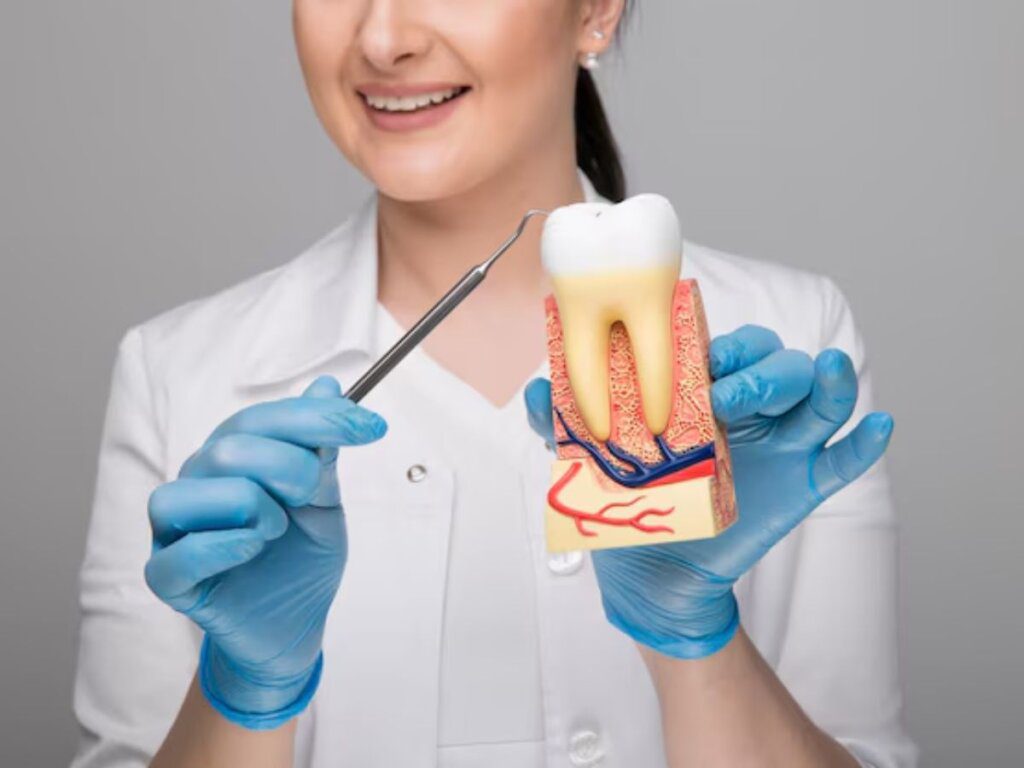
A dental implant in lower hutt is a titanium post placed directly into the jawbone, where it integrates with the surrounding bone through a biological process called osseointegration. Unlike a denture, which sits on top of the gum, or a bridge, which is supported by adjacent teeth, an implant replicates the structural function of a natural tooth root.
Once osseointegration is established, the implant may transmit chewing forces into the jaw in a way that is similar to how a natural root does. This stimulation may help signal to the body that the bone in that area is still in active use, which can support bone maintenance over time and slow the rate of resorption that would otherwise occur.
It is important to be accurate about what implants can and cannot do. They cannot fully reverse bone loss that has already occurred. But placing an implant relatively soon after extraction may help preserve existing bone volume more effectively than leaving the gap unfilled, and that preservation has long-term consequences for both oral health and the stability of the surrounding teeth and structures.
Why Timing Can Matter
The relationship between timing and bone preservation is one of the most practically important aspects of the decision about tooth replacement, and one that many patients are not fully informed about at the time of extraction.
The longer a gap is left after tooth loss, the more bone loss typically occurs in that area. As bone density reduces, the feasibility of implant placement without preparatory treatment can be affected. In some cases, a bone graft is recommended before an implant can be placed, which adds time and cost to the overall treatment journey.
Acting earlier, while bone levels are still adequate, can make the implant process more straightforward and less expensive. That said, bone grafting techniques have improved considerably in recent years, and implants remain a realistic possibility for many patients even when significant time has passed since extraction. Your dental team will assess current bone levels honestly and discuss what the process would involve for your specific situation.
What About Other Tooth Replacement Options?
Dental bridges and conventional dentures are well-established options for replacing missing teeth, and they remain appropriate for many patients. But it is worth understanding how each option relates to the underlying bone.
A dental bridge is fixed to the adjacent teeth and spans the gap left by the missing tooth. It restores the visible crown but places nothing into the jawbone beneath the gap. The bone under the bridge pontic will still undergo some degree of resorption over time, because it receives no direct stimulation from a replacement root.
Conventional dentures sit on the gum surface. They restore appearance and basic function but do not interact with the bone. Without stimulation from below, bone resorption continues beneath the denture. As the jaw ridge changes shape over years, dentures become progressively less well-fitting, which is one of the key reasons they require relining and eventual replacement.
Implant-supported dentures, which use implants as anchors to stabilise a removable denture, may offer some benefit in terms of bone stimulation compared to conventional dentures. The level of stimulation differs from that provided by individual implant crowns, but the presence of implants in the bone is still a meaningful difference from a fully unsupported denture.
For patients who are good candidates for implants, the bone preservation benefit is one of the factors that makes implants a stronger long-term clinical choice than alternative options.
Frequently Asked Questions
How soon after extraction should I consider an implant?
There is no single universal timeline, as individual healing patterns and bone levels vary. In some cases, implant placement can be considered within a few months of extraction once initial healing has taken place. In others, more time may be needed before the site is ready. Early consultation with a dentist in Lower Hutt is worthwhile regardless of timing. The sooner your bone levels are assessed, the clearer the picture of what is available to you and what the most appropriate next step is.
Can bone grafting restore lost jawbone?
Bone grafting can help build up volume in areas where bone has reduced, creating a more suitable foundation for implant placement. It is a well-established technique with a reliable clinical track record. The graft site requires time to heal before the implant can be placed, which adds to the overall treatment timeline. Your dental team can assess whether grafting is needed in your case and explain what the process would involve.
Do all tooth replacement options lead to jawbone loss?
All replacement options other than dental implants leave the bone without direct stimulation from a replacement root. Some degree of resorption is therefore likely over time regardless of whether a bridge or denture is placed. The rate and extent varies between individuals. Dental implants are currently the only tooth replacement option that interacts with the jawbone in a way that replicates the function of a natural tooth root.
Is jawbone loss painful?
Jawbone resorption after tooth loss generally occurs gradually and without noticeable discomfort in its early stages. Most patients become aware of the effects indirectly, through changes in how dentures fit, shifts in neighbouring teeth, or gradual changes in facial appearance over years. Regular dental check-ups allow bone levels to be monitored and any changes to be identified early, before they become more significant.
Conclusion
Jawbone loss after tooth extraction is a natural process, but it is one with meaningful long-term consequences for oral health, facial appearance, and the treatment options available to you in the future. Dental implants offer a tooth replacement approach that addresses the root structure, not just the visible tooth, and may help support bone health over time in a way that other options do not.
If you have recently had a tooth extracted, or have been living with a gap for some time, a consultation at Naenae Dental Clinic in Wellington is a practical first step to understand your current bone levels and what your options look like from here.