


When it comes to replacing a missing tooth, two of the most commonly recommended options are a dental bridge and a dental implant. Both can produce natural-looking results and restore function to your smile but they work differently, suit different situations, and come with different practical and financial considerations.
This guide looks at both options honestly, and helps you understand the circumstances in which a dental bridge may actually be the more appropriate choice over an implant.
At Naenae Dental Clinic in Wellington, the team has experience with both treatments and will help you understand which is most suitable for your specific situation.
A Quick Overview of Each Option
Dental Bridge
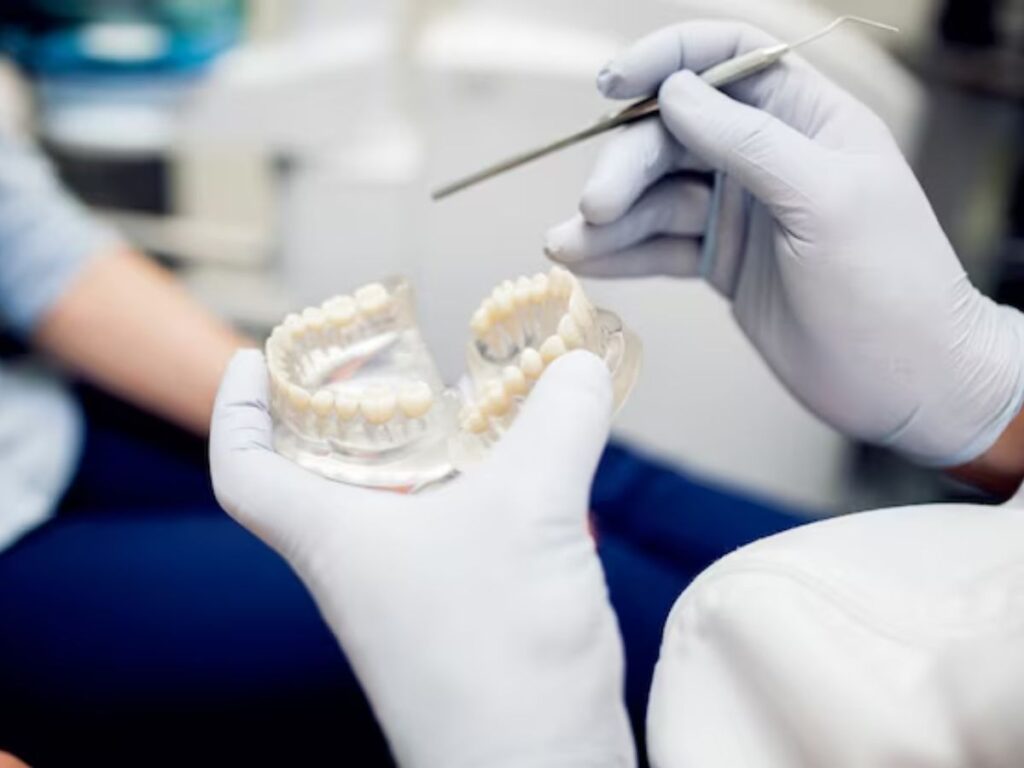
A dental bridge is a fixed restoration that replaces a missing tooth by spanning the gap between two adjacent teeth. The neighbouring teeth called abutment teeth are prepared and fitted with crowns, which anchor the bridge in place. The false tooth in the middle (the pontic) is suspended between them, restoring the appearance and function of the missing tooth.
At Naenae Dental Clinic, dental bridge in Lower Hutt are crafted using computer-aided design technology to ensure a precise fit and natural appearance. Implant-supported bridges where implants rather than natural teeth serve as the anchors are also an option for suitable patients.
Dental Implant
A dental implant involves placing a titanium post directly into the jawbone, which integrates with the bone over several months. Once healed, a custom crown is attached to replace the visible tooth. Implants are self-supporting and do not require the adjacent teeth to be altered.
When a Bridge May Be the Better Choice
The Adjacent Teeth Already Need Crowns
One of the most straightforward cases for choosing a bridge over an implant is when the teeth on either side of the gap already need crowns for their own reasons. In this scenario, the bridge does not require healthy tooth structure to be sacrificed; it is restoring teeth that already need treatment. This can make a bridge both clinically sensible and more cost-effective than placing an implant.
Insufficient Jawbone for an Implant
Dental implants require adequate bone density and volume in the jaw to integrate successfully. If a tooth has been missing for some time, significant bone resorption may have occurred in that area. While bone grafting can sometimes address this, not every patient is a suitable candidate or wishes to undergo the additional surgery and extended timeline. In such cases, a bridge may be the more practical solution.
Budget and Timeline Considerations
Dental implants involve a surgical procedure and a healing period of several months before the final crown can be placed. The total treatment timeline is typically three to six months or longer. A dental bridge is generally completed in two appointments over a few weeks, and the upfront cost is lower.
For patients for whom timeline or budget is a significant factor, a bridge can provide a reliable, well-established tooth replacement solution more quickly and at a lower initial cost.
Medical Considerations That Affect Implant Suitability
Certain medical conditions, medications, or lifestyle factors can affect the healing process after implant surgery and may reduce candidacy for implants. Patients with poorly controlled diabetes, those taking certain medications affecting bone metabolism, or those who smoke heavily may face higher risk of implant complications. A bridge does not involve surgery in the same way, which makes it a more suitable option for some patients from a medical perspective.
Multiple Adjacent Missing Teeth
When several consecutive teeth are missing, a bridge supported by the outer abutment teeth or by implants placed at either end can be an efficient way to restore the full span with fewer individual restorations. An implant for each missing tooth is not always the most practical or economical approach in this scenario.
Where an Implant May Be Preferable
For balance, it is worth noting the situations where an implant may be the stronger long-term choice:
- When the adjacent teeth are healthy and intact preparing them for a bridge means removing enamel from otherwise sound teeth
- When preserving jawbone in the area of the missing tooth is a priority
- When a long-term, stand-alone restoration is preferred implants do not involve other teeth and can function independently
- When the patient is young and the adjacent teeth have decades of healthy life ahead of them
In many cases, an implant is an excellent long-term solution. But it is not always the right fit and a dental bridge, chosen for the right reasons, is a well-established and reliable alternative.
Dental Bridges at Naenae Dental Clinic, Wellington
At Naenae Dental Clinic, dental bridges are fabricated using computer-aided design technology to ensure natural appearance and accurate bite alignment. The team also offers implant-supported bridges for patients where this is the most appropriate option.
The clinic is located in Naenae, Lower Hutt, and serves patients across the Wellington region. If you are weighing up your options for replacing a missing tooth, a consultation will give you an honest, clinical perspective on which approach is best suited to your situation.
Frequently Asked Questions
Does a dental bridge damage the adjacent teeth?
Placing a bridge requires the adjacent teeth to be shaped and fitted with crowns, which involves removing some natural tooth structure. For teeth that are already healthy, this is a clinical trade-off to consider. For teeth that already need crowns for other reasons, this concern is significantly reduced. Your dentist in Lower Hutt will discuss the implications of preparation honestly before recommending a bridge.
How do I clean under a dental bridge?
Because the pontic of the false tooth sits above the gum rather than attaching to it, food and bacteria can accumulate underneath. Cleaning under a bridge requires a floss threader, interdental brushes, or a water flosser to effectively clean the area. Your dental team will show you the most effective technique for your specific bridge.
Can a bridge be converted to an implant later?
In some cases, yes an implant can be placed if a bridge later fails or if the patient wishes to switch to an implant-supported solution. The feasibility depends on the condition of the jawbone at that time and whether sufficient bone remains. This is worth discussing with your dental team if you are considering a bridge but may want the option to change in the future.
How long does a dental bridge take to fit?
A conventional dental bridge typically requires two appointments. At the first, the abutment teeth are prepared and impressions or digital scans are taken. A temporary bridge is placed while the permanent one is fabricated. At the second appointment usually one to two weeks later the permanent bridge is fitted and adjusted. An implant-supported dental bridge takes longer due to the implant healing period.
Conclusion
A dental bridge is not a compromise option, it is a well-established, clinically sound solution that is the right choice for many patients in many situations. Whether the adjacent teeth already need treatment, bone levels are a concern, or timeline and budget are factors, there are genuine clinical and practical reasons why a bridge may be recommended over an implant.
If you have a missing tooth and are unsure which option is right for you, the team at Naenae Dental Clinic in Wellington can help you understand your options clearly and make a decision with confidence.
Source Urls: