

Choosing between a dental crown and a filling is not always straightforward. Fillings are generally less expensive upfront, and when a tooth needs minor repair, they are often the most appropriate option. But there are situations where continuing to repair a tooth with fillings becomes a cycle that costs more in the long run and where a crown may offer better value from the outset.
This guide looks at the key factors that influence this decision, and helps you understand when investing in a crown now may actually save you time, discomfort, and money over the coming years.
At Naenae Dental Clinic in Wellington, the team assesses each tooth individually and recommends the most appropriate treatment based on its current condition and long-term prognosis.
Understanding the Difference
What a Filling Does
A filling repairs a specific area of a tooth where decay or damage has occurred, restoring the missing tooth structure in that localised spot while leaving the rest of the natural tooth exposed and intact. Fillings are completed in a single visit and are generally the right choice when the damage is limited and the remaining tooth structure is strong. In cases where the tooth needs more comprehensive protection, options such as dental crowns in Lower Hutt may be considered to support and strengthen the entire tooth.
What a Crown Does
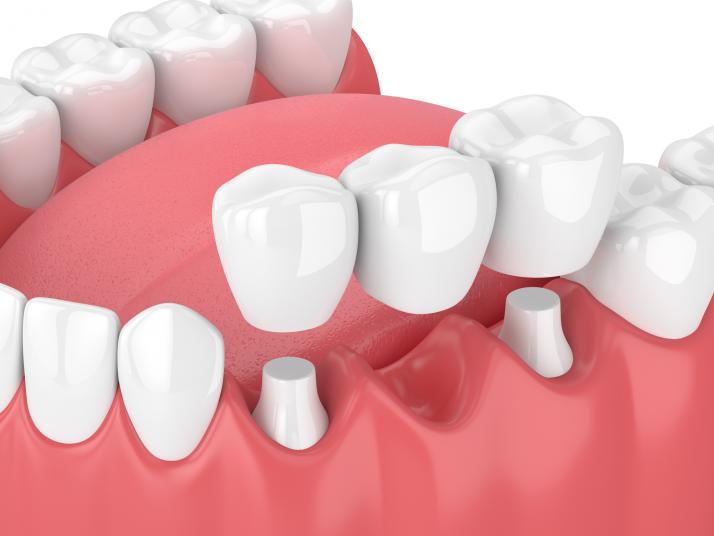
A crown covers the entire visible portion of the tooth, providing a protective outer shell over the full tooth structure. It is typically recommended when the natural tooth is too compromised to reliably support a filling alone, distributing biting and chewing forces across the whole restoration rather than concentrating them on a weakened tooth.
Signs That a Crown May Be More Cost-Effective
The Tooth Has Already Had Multiple Fillings
Every time a filling is placed or replaced, a small amount of additional tooth structure is typically removed. Over several rounds of treatment, this can leave progressively less natural teeth to work with. At a certain point, the remaining tooth structure may no longer be strong enough to support another filling reliably and a crack or fracture becomes more likely.
A crown at this stage caps the tooth and protects what remains, potentially avoiding the more costly and disruptive outcomes like a fracture that cannot be restored, or a root canal treatment followed by a crown anyway.
There Is a Large or Failing Existing Filling
A very large filling that occupies a significant portion of the tooth’s surface area leaves the surrounding natural tooth walls thin and vulnerable to fracture. If that filling fails or the tooth cracks, the damage can be extensive. A crown placed before this happens distributes force across the whole restoration and may prevent the more serious and more expensive outcome.
The Tooth Has Cracked
A cracked tooth is a situation where a crown is often the more appropriate choice, regardless of cost comparison. Cracks can extend under load, and a filling will not protect the tooth in the same way a crown will. Left unaddressed, a crack can progress to a point where the tooth cannot be saved. A crown, placed early, may hold the tooth together and extend its functional life significantly.
After Root Canal Treatment
A tooth that has had root canal treatment becomes more brittle over time as it is no longer receiving nutrients through the pulp. A filling alone is generally not considered adequate long-term protection for such a tooth particularly in the back of the mouth where chewing forces are greatest. A crown is typically recommended to protect the tooth from fracture after root canal treatment.
The Tooth Is Heavily Decayed
If decay has affected a large portion of the tooth, there may not be enough remaining structure to support a filling that will hold reliably. In such situations, a dentist in Lower Hutt may recommend a more comprehensive solution to ensure long-term strength and function. A crown allows the tooth to be restored to full function even when significant structure has been lost.
The Cost of Waiting
One of the most important things to understand about the filling-vs-crown question is what can happen when a crown is deferred for too long. If a tooth that would benefit from a crown is repeatedly filled instead, the eventual outcome may be:
-
- A fracture that extends below the gum line, making the tooth unrestorable
- A crack that reaches the root, requiring extraction rather than restoration
- Unexpected root canal treatment, followed by a crown costing more than a crown alone would have
- Emergency dental treatment, which is often more disruptive and expensive than planned care
A crown placed at the right stage can often prevent these outcomes. Viewed that way, it is not just a question of crown cost versus filling cost, it is a question of managing risk over the life of the tooth.
Dental Crowns at Naenae Dental Clinic, Wellington
At Naenae Dental Clinic, the team takes a conservative approach to treatment, recommending a filling where it is genuinely the most appropriate option, and a crown where the evidence suggests the tooth needs more comprehensive protection. The clinic uses computer-aided design technology to ensure that crowns fit accurately and function well within your natural bite.
The clinic is located in Naenae, Lower Hutt, and welcomes patients from across the Wellington region. If you have a tooth that has had repeated work or that you are concerned about, a consultation is the best next step.
Frequently Asked Questions
Can my dentist tell me when to stop filling and get a crown?
Yes, your dentist can assess the condition of the tooth and give you an honest view of whether continuing to fill it is a sound long-term strategy or whether a crown would offer better protection. At Naenae Dental Clinic, the team will explain the reasoning behind any recommendation clearly so you can make an informed decision.
What if I choose a filling and the tooth cracks later?
If a tooth cracks after being filled, the outcome depends on the extent and direction of the crack. Some cracks can still be restored with a dental crown; others that extend below the gum line or through the root may result in the tooth needing to be extracted. This uncertainty is part of why a crown is often recommended proactively when a tooth is already significantly compromised.
Is a crown always the more expensive option overall?
Not necessarily particularly when the full treatment history of a tooth is considered. A crown placed at the right time can avoid the need for further fillings, root canal treatment, or eventual extraction and replacement. When those potential downstream costs are factored in, a crown can represent better overall value even though the upfront cost is higher.
Will my insurance or Southern Cross cover a crown?
Coverage varies depending on your plan and provider. It is worth checking with your insurance provider before treatment, and the team at Naenae Dental Clinic can provide the treatment information you need to support a claim. Payment options are also available at the clinic.
Conclusion
There is no single answer to when a crown becomes more cost-effective than a filling; it depends on the tooth, its history, and its current condition. But there are clear situations where the evidence points firmly toward a crown as the more prudent choice, both clinically and financially.
If you have a tooth that has had a lot of dental work and you are wondering whether it is approaching that point, a conversation with the team at Naenae Dental Clinic in Wellington is a good place to start.
Source Urls: