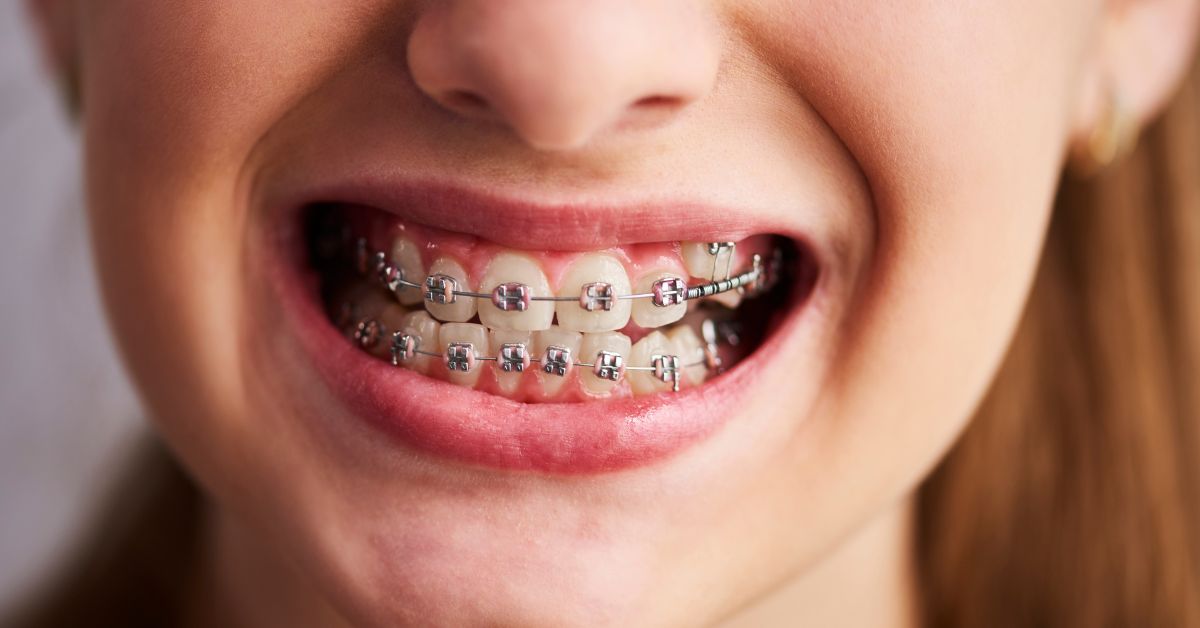


For anyone beginning orthodontic treatment or whose child has recently been fitted with dental braces in Lower Hutt, the small colourful rubber bands attached to the brackets may be unfamiliar at first. These are orthodontic elastics, and they form an important part of many braces treatment plans.
Elastics work alongside braces to help support bite correction and guide teeth toward better alignment over time. Although they may appear to be a small addition, they play a meaningful role in many individual treatment plans.
A dentist in Lower Hutt can provide guidance on how elastics may apply to your specific orthodontic needs. This guide covers what elastics do, why they may be recommended, and how to care for them to help support your treatment as it progresses.
What Are Elastics and How Do They Work?
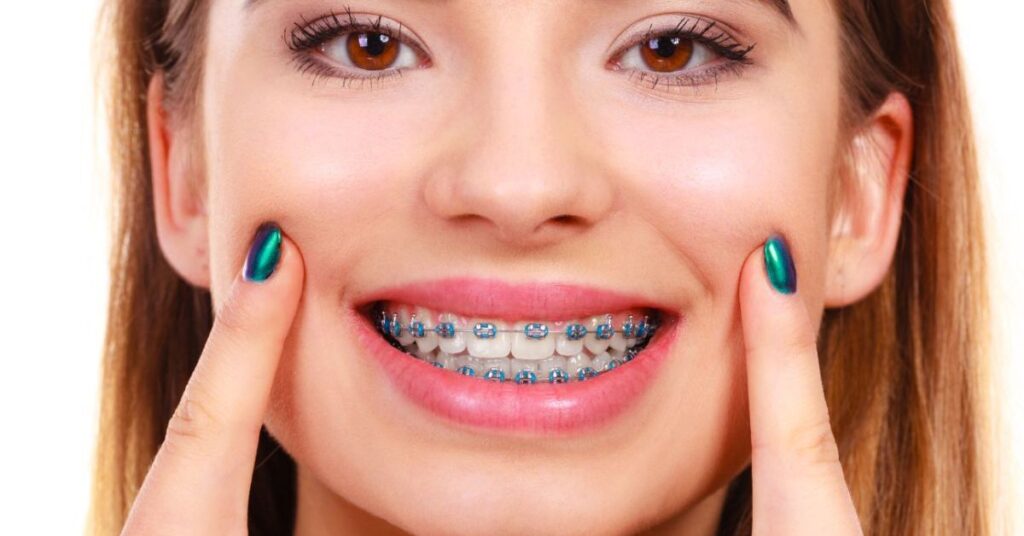
Elastics, or orthodontic rubber bands, are small coloured bands made of latex-free elastic material. They’re hooked onto brackets on your upper and lower teeth, creating gentle, continuous pressure that helps move your teeth and correct your bite.
Unlike the wires in dental braces in Lower Hutt, which move teeth side-to-side and rotate them, elastics primarily work to correct your bite by moving your jaw into a better position relative to your upper teeth.
They apply directional force that helps align your molars and canines correctly, which is essential for a functional and healthy bite. The elastics come in different configurations depending on what needs correcting. Your orthodontist will attach them in a specific pattern based on your individual treatment plan.
Why Does My Orthodontist Recommend Elastics?
Your orthodontist recommends elastics for specific reasons related to your bite and teeth alignment. If you have an overbite (upper teeth overlap the lower teeth too much), an underbite (lower teeth stick out), or a crossbite (some upper teeth sit inside the lower teeth), elastics help correct these problems.
Elastics are particularly important for bite correction because your braces alone can’t always fix these issues. While braces straighten individual teeth, elastics work on a larger scale to adjust how your upper and lower teeth meet. Without them, your teeth might look straight, but your bite could still be misaligned.
Your orthodontist has analysed your bite and decided which type of elastic configuration will be most effective for your treatment. Following their recommendations ensures your treatment progresses as planned.
Types of Elastic Configurations
There are several ways orthodontists apply elastics, and the specific type you need depends on your bite problem. Understanding your configuration helps you wear them correctly.
Class II Elastics: These help correct an overbite where the upper front teeth overlap too far. They’re often used when the upper jaw or teeth sit too far forward. Elastics pull the lower teeth forward and the upper teeth back into a better relationship.
Class III Elastics: These work the opposite way, pulling the upper teeth forward to correct an underbite where the lower jaw protrudes too far. They’re less common but equally important for patients who need them.
Crossbite Elastics: Sometimes called unilateral or diagonal elastics, these correct individual teeth or teeth on one side of your mouth that don’t align correctly with the opposite jaw.
Vertical Elastics: These elastics correct open bites (where upper and lower front teeth don’t touch when biting) by pulling teeth vertically into better contact.
Your orthodontist will explain which type you’re wearing and why they’ve chosen it specifically for your treatment.
How Long Will I Need to Wear Elastics?
The duration of elastic wear varies depending on the severity of your bite problem and how quickly your teeth respond to treatment. Most patients wear elastics for several months, though some may need them for their entire braces treatment, which typically lasts 18 to 24 months.
Your dentist in Lower Hutt has calculated how long your treatment should take based on consistent elastic use. Skipping elastic wear or not wearing them consistently can significantly extend your treatment time.
If you remove them frequently, the teeth and jaw won’t move as planned, and your total treatment time could be extended.
Caring for Your Elastics
Elastics are delicate and require proper care to stay effective. Here are essential tips for maintaining your elastics:
Change Them Daily: You should replace your elastics every single day, even if they don’t look broken. Elastics lose their force over time as the elastic material stretches and weakens. Daily changes ensure you’re always getting the right amount of pressure.
Keep Spares With You: Always carry extra elastics in your pocket, bag, or school locker. If one breaks, you should replace it as soon as possible. Your orthodontist can provide you with extra elastics to keep on hand.
Remove Them Before Eating: Take your elastics out before eating to prevent them from getting stretched or damaged. They can also pick up food particles, which makes them less hygienic. Always floss and brush your teeth before putting fresh elastics back in.
Store Them Properly: Keep spare elastics in a clean container. Don’t leave them sitting in the sun or heat, as this can weaken them.
Follow Your Orthodontist’s Instructions: Wear them exactly as shown during your appointment. If you’re unsure about placement or how many hours to wear them, ask your orthodontist or their team to show you again.
Adjusting to Life with Elastics
Your mouth might feel tender and sore for the first few days after starting elastics, especially when you first change them. This is normal and usually settles within a few days. Over-the-counter pain relief can help if needed.
Your speech might sound slightly different at first, but most patients adapt within a week. Some people experience more saliva production initially, which also settles down quickly.
Elastics do require more maintenance than braces alone. You’ll need to remove them to eat, brush, and floss and then remember to put fresh ones back in. Building this into your daily routine makes it much easier to stay consistent.
Frequently Asked Questions
Can I wear my elastics only at night?
No. Elastics only work when they’re creating constant, gentle pressure on your teeth and jaw. Your orthodontist has recommended a specific wear pattern usually 24 hours a day, or at minimum during the evening and night. Wearing them sporadically or only part-time won’t achieve the desired results and could actually extend your treatment time. If you find wearing them during the day difficult, talk to your orthodontist about your concerns.
What happens if I forget to put my elastics back in after eating?
One or two hours without your elastics won’t cause major damage, but it does slow your progress. The longer you go without them, the more it affects your treatment timeline. Missing elastics frequently can add months to your total treatment. If you constantly forget, consider setting phone reminders or attaching your elastics case to your keys so you don’t lose track of them.
Do elastics hurt?
Elastics create pressure that moves your teeth, and some discomfort is normal for the first week. It usually feels like mild soreness rather than sharp pain. If you experience severe pain, contact your orthodontist immediately. It might mean the elastics are attached incorrectly or you’re having a reaction to the material.
Why do elastics have different colours?
Different colours are purely for fun and have no clinical difference. Some patients enjoy choosing new colours at each visit. If you have a latex allergy, your orthodontist can provide clear or hypoallergenic elastics instead.
Conclusion
Elastics are a meaningful component of orthodontic treatment for many patients. Used alongside braces, they help support bite correction and contribute to both alignment and bite function as treatment progresses.
Consistent wear in line with your dental professional’s guidance is an important part of supporting your treatment plan. Attending regular check-ups and following the recommended routine for your elastics can help keep your treatment on track.
For anyone with questions about elastics or the correct way to wear them, the team at Naenae Dental Clinic is available to provide clarification and demonstrate the appropriate technique for your individual treatment plan.