
If you have ever wondered how dental braces gradually correct a misaligned bite, you are not alone. Many people in Lower Hutt and across New Zealand consider orthodontic treatment to support improved alignment and oral health.
Dental braces work through a carefully planned system of gentle, continuous pressure applied over months or even years. Understanding how this process works can help you feel more informed about pursuing orthodontic treatment.
Whether you are considering braces for yourself or your child, knowing the science behind bite correction can ease uncertainty and help you understand what to expect throughout your treatment. Speaking with a dentist in Lower Hutt is a practical first step toward exploring whether braces may be a suitable option for your individual circumstances.
The Science Behind Dental Braces
Dental braces correct bite alignment by applying steady, gentle pressure to your teeth and jaw. This pressure stimulates a natural biological response in your body. Your teeth aren’t actually fixed in place; they sit in sockets surrounded by bone and a special ligament called the periodontal ligament.
When braces apply consistent pressure, this ligament responds by slowly remodelling. On one side of the tooth, bone is absorbed (a process called resorption), and on the other side, new bone is formed. Dental braces in Lower Hutt work by allowing your teeth to move gradually into their correct positions through carefully controlled pressure.
This process happens naturally throughout your orthodontic treatment. It’s why orthodontists don’t rush the process. Your body needs time to safely reposition your teeth and the surrounding structures.
The Role of Different Types of Braces
There are several types of dental braces available today, each working on the same principle but offering different benefits.
Traditional Metal Braces
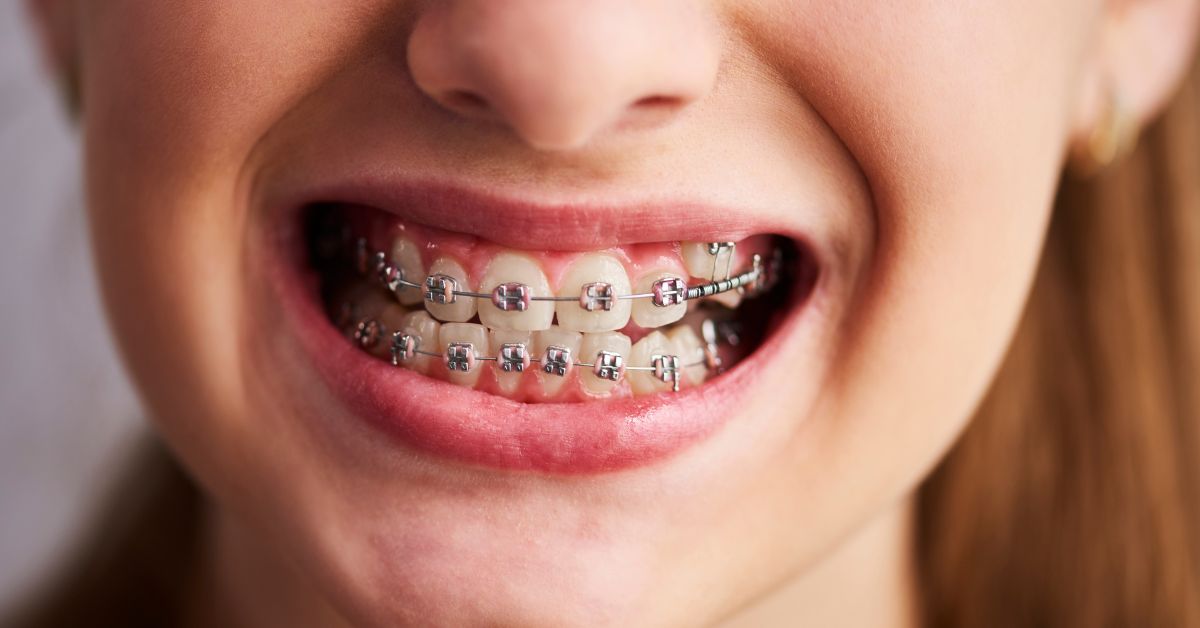
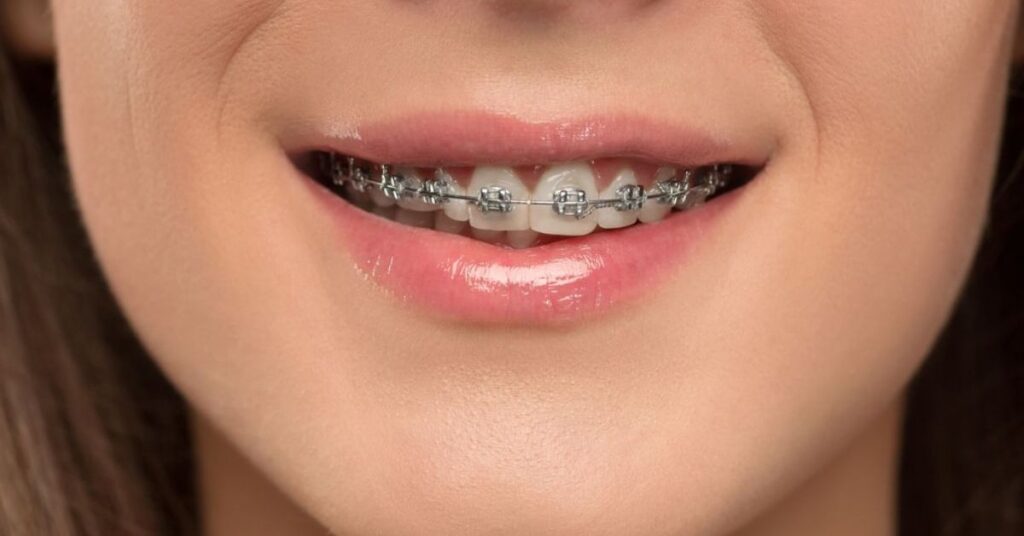
Metal braces are the most common type used for correcting bite alignment. They consist of brackets attached to each tooth, connected by a wire that applies pressure.
The wire is adjusted regularly to continue guiding teeth into the correct position. Metal braces are reliable, durable, and often the most cost-effective option.
Ceramic and Clear Braces
Ceramic braces work exactly like metal braces but blend in with your teeth for a less noticeable appearance. Clear or tooth-coloured brackets and wires make these braces popular with adults and image-conscious teens. The correction timeline is similar to metal braces.
Aligners
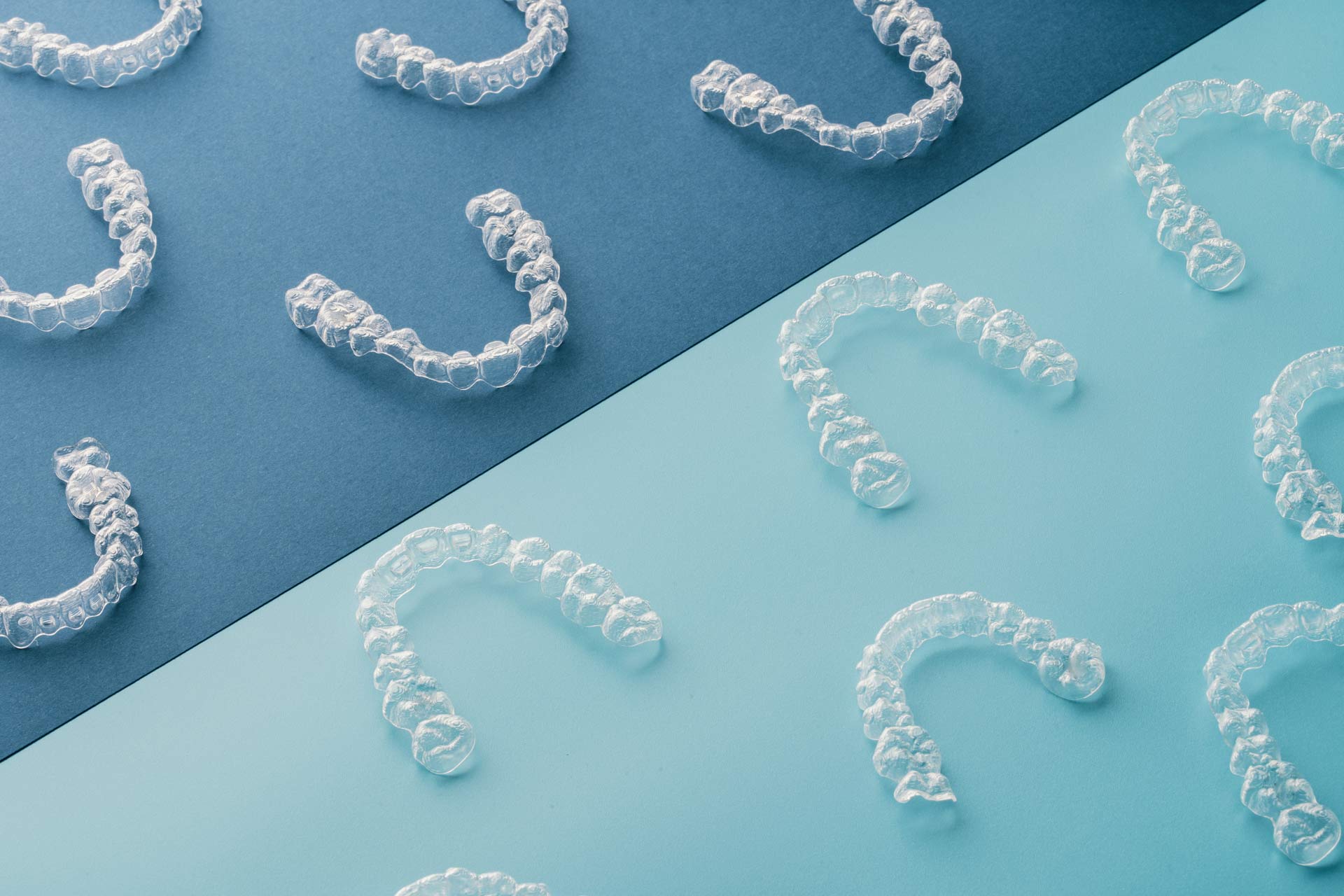
Modern clear aligners offer a different approach. Instead of fixed brackets and wires, aligners are custom-made plastic trays that fit snugly over your teeth.
You change to a new aligner every one to two weeks, each slightly adjusting your teeth position. Aligners are removable and nearly invisible, making them popular with adults.
Regardless of the type you choose, the fundamental principle remains the same: consistent, gentle pressure over time corrects bite misalignment.
How Your Orthodontist Plans Bite Correction
Before your braces are fitted, your orthodontist will take X-rays, photographs, and tooth impressions to create a detailed treatment plan.This plan maps out exactly how your teeth need to move to achieve proper bite alignment.
Your bite the way your upper and lower teeth meet requires careful analysis. Common bite problems include overbites (where upper teeth overlap lower teeth), underbites (where lower teeth protrude beyond upper teeth), and crossbites (where upper and lower teeth don’t align side to side).
A dentist in Lower Hutt will adjust your braces at regular appointments, typically every four to eight weeks. These adjustments tighten or change the wires and rubber bands, applying fresh pressure to move your teeth closer to their target position.
The Timeline for Bite Correction
Most people wonder how long their braces will need to stay on. The timeline varies depending on the severity of your bite misalignment, your age, and how well you follow your orthodontist’s instructions.
On average, braces stay on for 18 to 24 months. Some cases may be corrected in 12 months, while more complex bite problems might require three years or longer. Children and teenagers often see faster results because their bones are still growing and more responsive to pressure.
Your commitment to care significantly affects your timeline. Following your orthodontist’s instructions about wearing rubber bands, avoiding hard or sticky foods, and maintaining excellent oral hygiene helps ensure steady progress. Skipped appointments or poor compliance can lengthen your treatment significantly.
Caring for Your Teeth During Orthodontic Treatment
While your braces are working to correct your bite, you need to take extra care of your teeth. Food can trap around brackets and wires, increasing your risk of cavities and gum disease, which could complicate your treatment.
Brush your teeth after every meal, using a soft-bristled toothbrush and fluoride toothpaste. You may need special tools like interdental brushes to clean around brackets effectively. Flossing becomes more challenging with braces, but it’s essential to consider using floss threaders or water flossers for easier cleaning.
Avoid hard, crunchy, or sticky foods that can damage your braces or cause brackets to pop off. Foods like nuts, hard lollies, chewing gum, and caramel should be avoided. These dietary adjustments protect your braces and keep your treatment on schedule.
What Happens After Your Braces Come Off
Once braces are removed, your dental professional will fit you with a retainer. Retainers help hold teeth in their new positions while the surrounding bones and ligaments continue to stabilise. This stage is an important part of the overall treatment process.
Without a retainer, teeth can gradually shift back toward their original positions over time , a process called relapse. Your dental professional will likely recommend wearing your retainer full-time initially, then nightly for an extended period afterward.
The retention phase is an essential part of orthodontic treatment. Consistent retainer use as directed by your dental professional helps support the stability of your bite alignment over the longer term.
FAQ: Questions About Dental Braces and Bite Correction
How painful are dental braces?
Most people experience mild discomfort rather than pain when braces are first fitted and after adjustments. Your teeth and gums may feel tender for a few days as they respond to the pressure. Over-the-counter pain relief and soft foods can help manage any discomfort. Any severe or persistent pain should be reported to your orthodontist immediately.
Can adults get braces to correct bite alignment?
Adult teeth can be moved through orthodontic treatment, though the process may take slightly longer than for younger patients because adult bone is generally less responsive to pressure. Many adults consider bite correction for a range of reasons including improved chewing function, alignment concerns, or oral health considerations.
A consultation with a dental professional is the most appropriate way to determine whether braces may be a suitable option for your individual circumstances and what treatment may involve.
How Long Do the Results of Bite Correction Last?
The long-term stability of bite correction depends on a number of individual factors, with consistent retainer use being one of the most important. Following your dental professional’s guidance on retainer wear after active treatment is an essential part of the overall orthodontic process.
Individual outcomes vary, and some degree of natural change may occur over time regardless of retention. Your dental professional can discuss realistic expectations for your specific situation and provide guidance on the retainer routine most appropriate for your needs.
Do braces affect speech or eating?
Initially, braces may feel unusual when speaking or eating, and you might notice a slight lisp. Most people adapt within a week or two. Eating requires some adjustment; you’ll need to bite and chew differently around your braces, but this becomes natural quickly. Avoiding hard or sticky foods makes eating much easier during treatment.
Conclusion
Dental braces are a well-established orthodontic option supported by a substantial body of dental research. Through consistent, gentle pressure applied over time, braces work with the body’s natural ability to remodel bone to support gradual tooth movement and bite correction.
The process requires patience and consistent care, and individual outcomes depend on factors such as the severity of misalignment, age, and adherence to treatment guidelines. A dental professional can provide a realistic overview of what treatment may involve for your specific circumstances.
For anyone in Lower Hutt considering orthodontic treatment, a consultation with a dental professional is a practical first step. At Naenae Dental Clinic, a personalised consultation can help explore whether dental braces may be a suitable option and what the process may involve for your individual dental health needs.