

If you’ve been looking into dental implants in Lower Hutt, you may have noticed that the process takes longer than other dental treatments. Unlike a filling or a crown, implants can’t be completed in a single appointment. There’s a reason for that and it comes down to biology, not convenience.
Dental implants are placed directly into the jawbone. For them to function well over time, they need to fuse with that bone through a natural process. Understanding why healing takes as long as it does can help you feel more prepared and confident about your treatment journey.
This article explains what happens during implant healing, what factors can influence the timeline, and how you can support your own recovery.
What Happens Inside the Jaw After Implant Placement
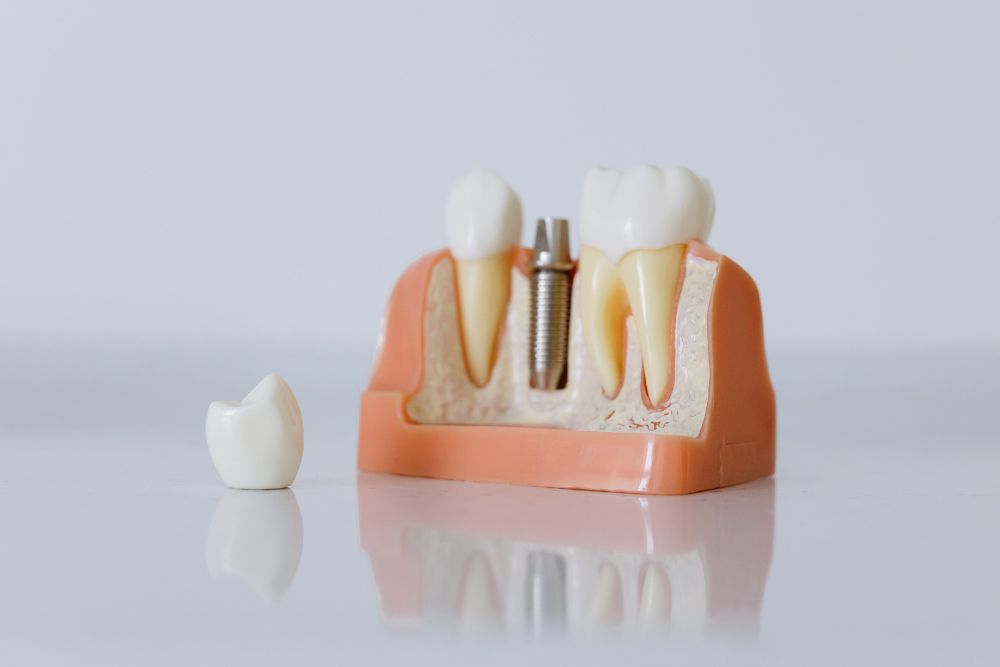
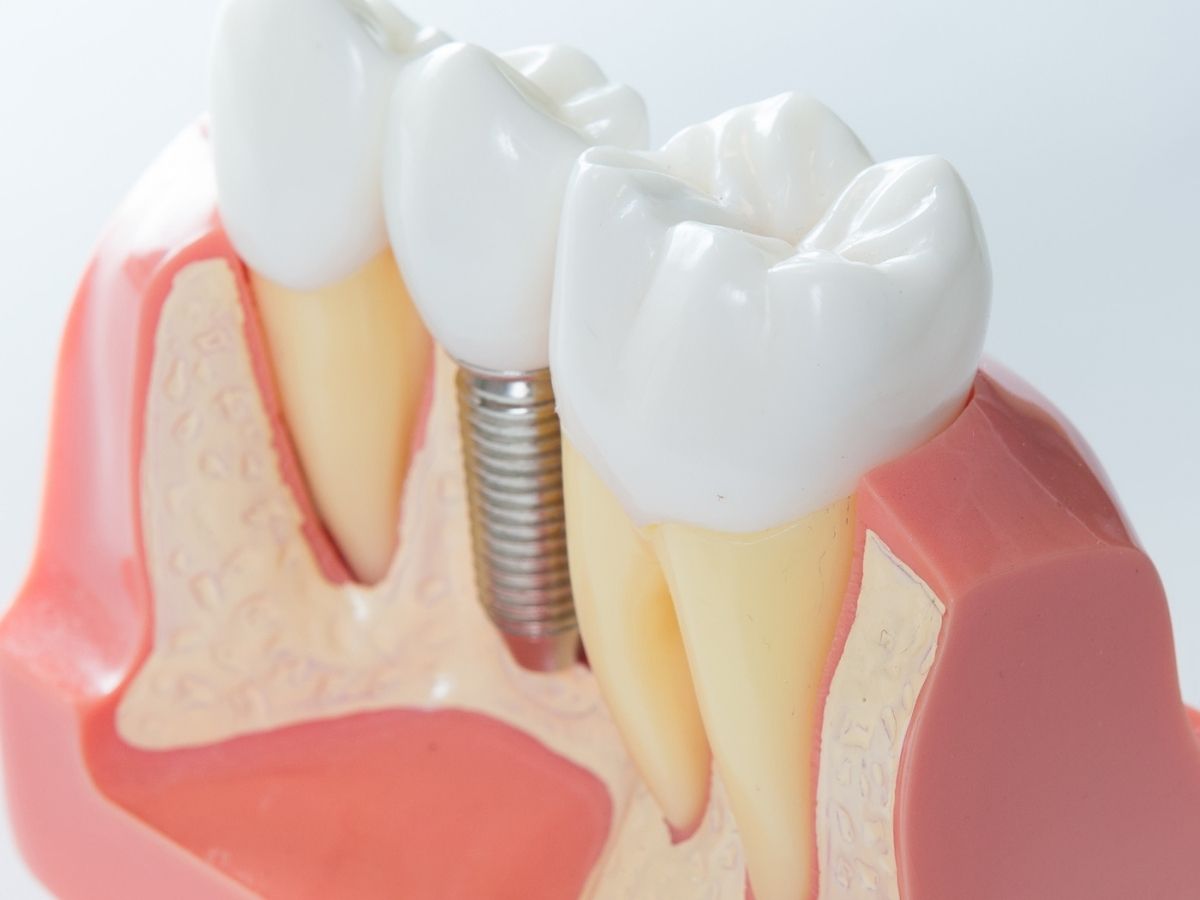
When a titanium implant post is placed into the jawbone, the body begins a process called osseointegration. This is where the surrounding bone tissue gradually grows around and bonds with the implant surface.
This isn’t a quick process. It can take anywhere from eight to twelve weeks and in some cases longer. The dental implants in Lower Hutt must be stable enough to support a crown before the final restoration is attached.
During this time, the area may look healed on the outside while significant changes are still taking place beneath the surface. This is why follow-up appointments matter throughout the process.
How Long Does the Full Process Usually Take?
The full timeline for dental implants varies from person to person. In general, the process from initial placement to fitting the final crown can take anywhere from three to twelve months.
Here’s a rough breakdown of the stages involved:
Stage 1 – Implant Placement
The titanium post is surgically placed into the jaw under local anaesthetic. This is a carefully planned procedure that considers bone depth, nerve location, and bite alignment.
Stage 2 – Osseointegration (Healing Phase)
This is the longest stage. The bone slowly integrates with the implant. Most patients wait around three to six months here, though this depends on individual healing capacity and bone quality.
Stage 3 – Abutment and Crown Placement
Once osseointegration is confirmed, an abutment (connecting piece) is attached. A custom crown is then made and fitted. This final stage typically takes a few additional weeks.
What Factors Affect Healing Time?
Not everyone heals at the same pace. Several factors can influence how quickly osseointegration occurs.
Bone density and volume play a significant role. Patients with lower bone density often due to long-term tooth loss may require a bone graft before implant placement. This adds healing time before the main procedure even begins.
Overall health matters too. Conditions such as uncontrolled diabetes, immune disorders, or certain medications can slow the body’s ability to heal. Smokers also tend to experience slower and less predictable healing.
Age can be a factor in some cases, though dental implants are routinely placed in healthy adults of varying ages. Your dentist in Lower Hutt will assess your individual circumstances before recommending treatment.
The number of implants being placed and whether any other procedures such as extractions or sinus lifts are needed will also affect the overall timeline.
Is the Healing Process Uncomfortable?
Most people experience mild to moderate discomfort in the days following implant placement. Swelling, tenderness, and minor bruising around the area are normal responses as the body begins to heal.
This initial discomfort usually settles within the first week. Over-the-counter pain relief and following post-operative care instructions from your dentist can help manage this stage comfortably.
The osseointegration phase itself is generally not painful. The bone is fusing quietly in the background, and most patients go about their daily routines without significant disruption during this time.
If you experience ongoing pain, swelling that worsens after the first few days, or notice movement in the implant, contact your dental clinic promptly. These are not typical signs and should be assessed.
How Can You Support Your Own Recovery?
There are practical steps you can take to give your implant the best chance of integrating successfully.
Follow all post-operative instructions provided by your dentist. These are specific to your procedure and health history, and they matter more than general advice you may find online.
Avoid smoking throughout the healing period. Smoking significantly impairs blood flow to gum tissue and can interfere with osseointegration. It also raises the risk of complications.
Maintain good oral hygiene around the implant site once your dentist advises it is safe to do so. Keeping the area clean reduces the risk of infection, which is one of the more common causes of implant failure.
Eat soft foods during the initial healing phase and avoid placing pressure on the implant site. Your dentist will advise when it is appropriate to gradually return to a normal diet.
Attend all follow-up appointments. Healing is monitored throughout the process. X-rays and clinical checks allow your dentist to confirm that osseointegration is progressing as expected before moving to the next stage.
FAQ
Why does osseointegration take so long?
Bone is living tissue that remodels and grows slowly. Unlike soft tissue, which can heal within days or weeks, bone integration with a titanium post takes months. The implant needs to be fully stable before it can handle the forces of biting and chewing; rushing this stage increases the risk of implant failure.
Can I speed up dental implant healing?
You cannot significantly accelerate the biological process of osseointegration. However, you can avoid behaviours that slow it down such as smoking, neglecting oral hygiene, or placing unnecessary pressure on the dental implant site. Eating well, staying hydrated, and following your dentist’s guidance all support healthy healing.
What happens if the implant doesn’t integrate properly?
In some cases, osseointegration does not proceed as expected. This can happen due to infection, poor bone quality, or other factors. If this occurs, the implant may need to be removed, the area allowed to heal, and the procedure reconsidered at a later stage. Your dentist will discuss the options with you if this situation arises.
Is a longer healing time a sign that something is wrong?
Not necessarily. Some patients simply take longer to heal due to individual factors. What matters is that healing is progressing even if it takes more time than average. Your dentist will track this through regular check-ups. Concerns should always be raised directly with your dental team rather than assessed on your own.
Conclusion
Dental implants are a well-established option for replacing missing teeth, and the healing process, while lengthy, serves an important purpose. It is what allows an implant to function as a stable, long-term restoration rather than a short-term fix.
Understanding the timeline helps set realistic expectations, and being informed means you can play an active role in your own recovery.
If you are considering dental implants in Lower Hutt and want to understand whether the treatment may be suitable for your situation, the team at Naenae Dental Clinic welcomes you to book a consultation. A personalised assessment can give you a clearer picture of what the process would look like for you, based on your oral health and individual needs.
Sources: