
Losing a tooth can affect more than just your smile. It can change the way you eat, speak, and feel about yourself. For many people in Lower Hutt, dental implants have become a well-known option for replacing missing teeth. But a common question remains: do dental implants actually feel like your natural teeth?
It is a fair thing to wonder about. After all, you are considering a treatment that involves placing something into your jaw. Understanding what to expect from the structure of an implant to how it functions day to day can help you make a more informed decision.
This article explores how dental implants work, how they compare to natural teeth in terms of sensation and function, and what you should know before speaking with a dental professional about your options.
What Are Dental Implants and How Do They Work?
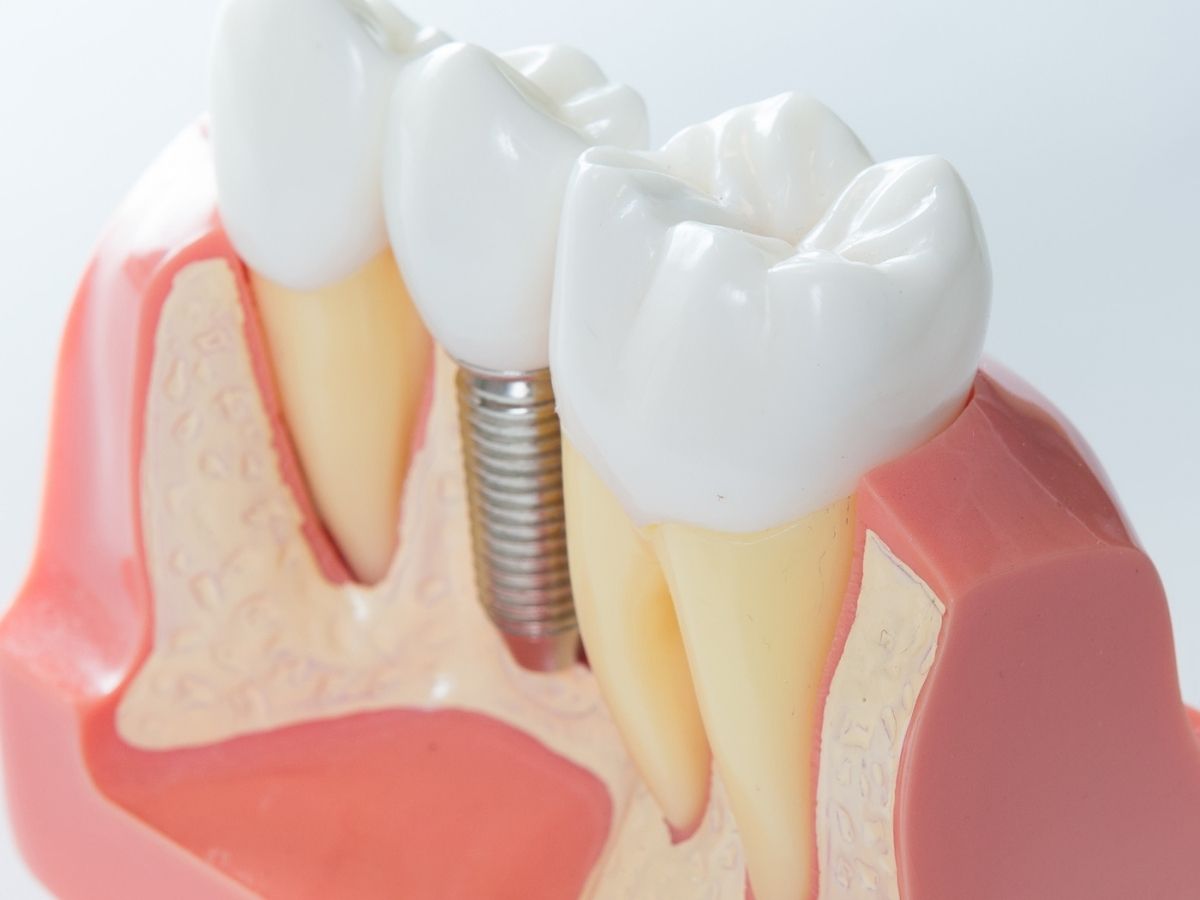
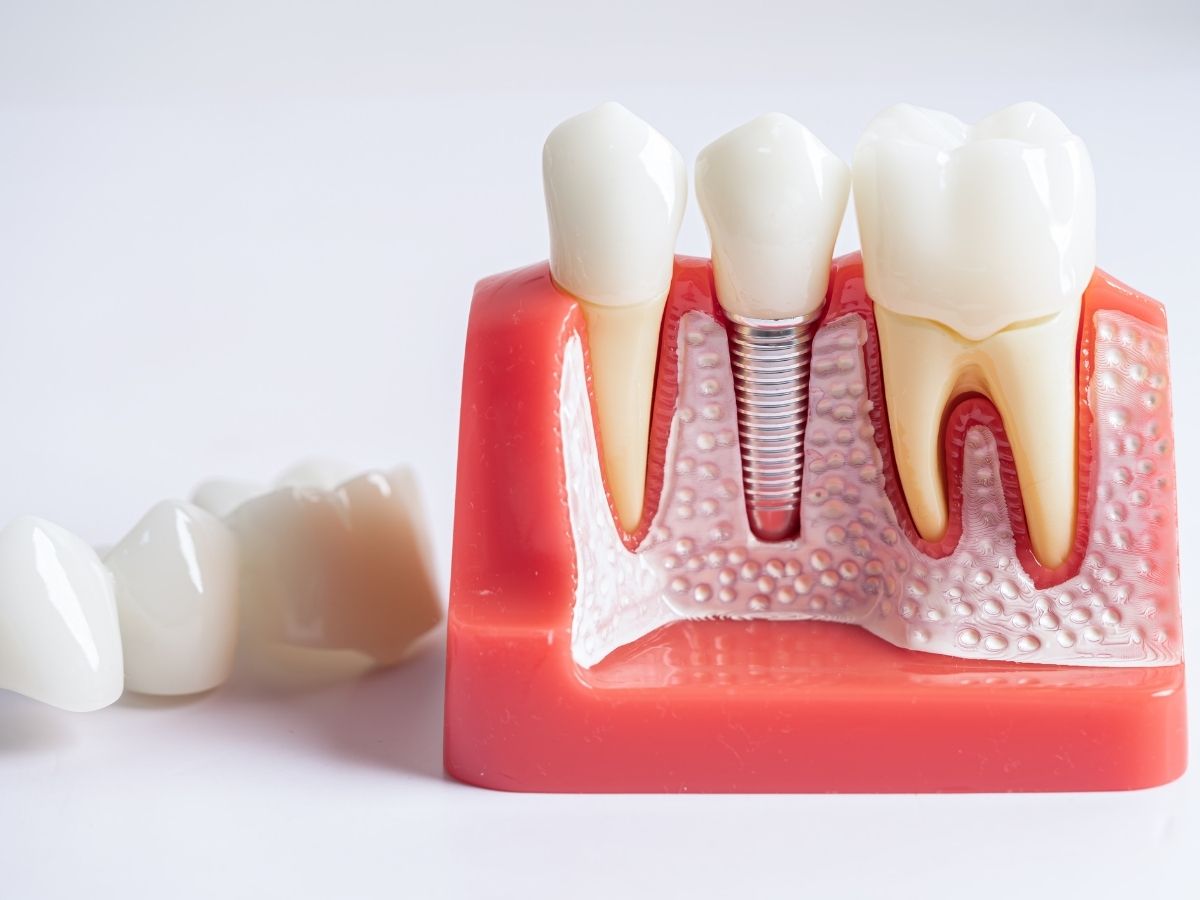
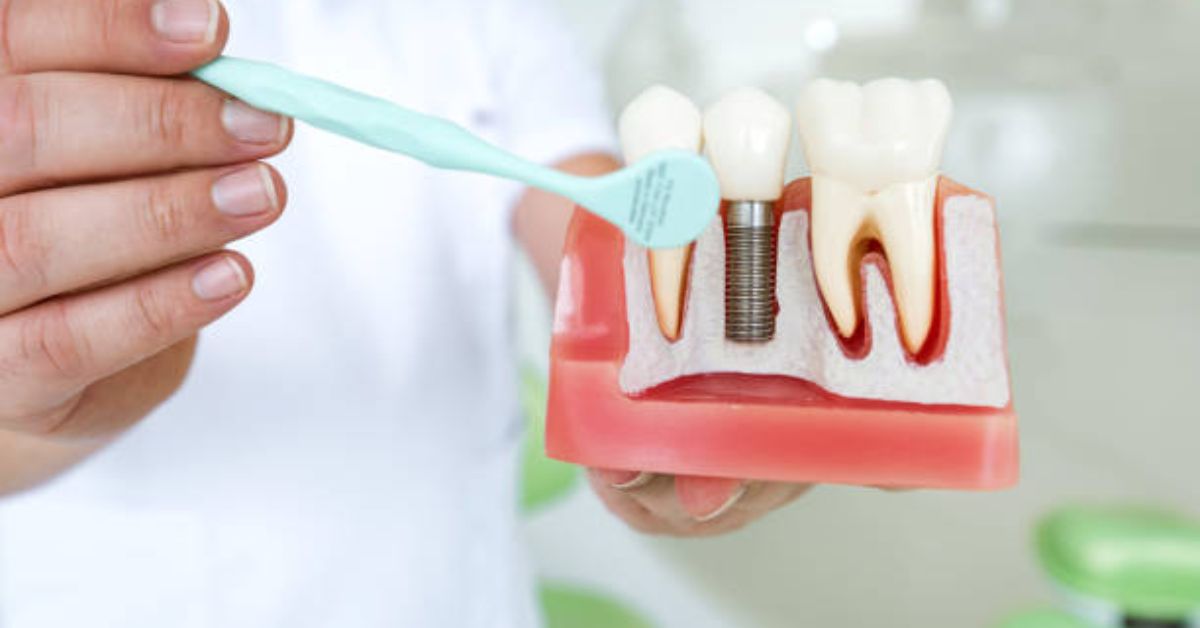
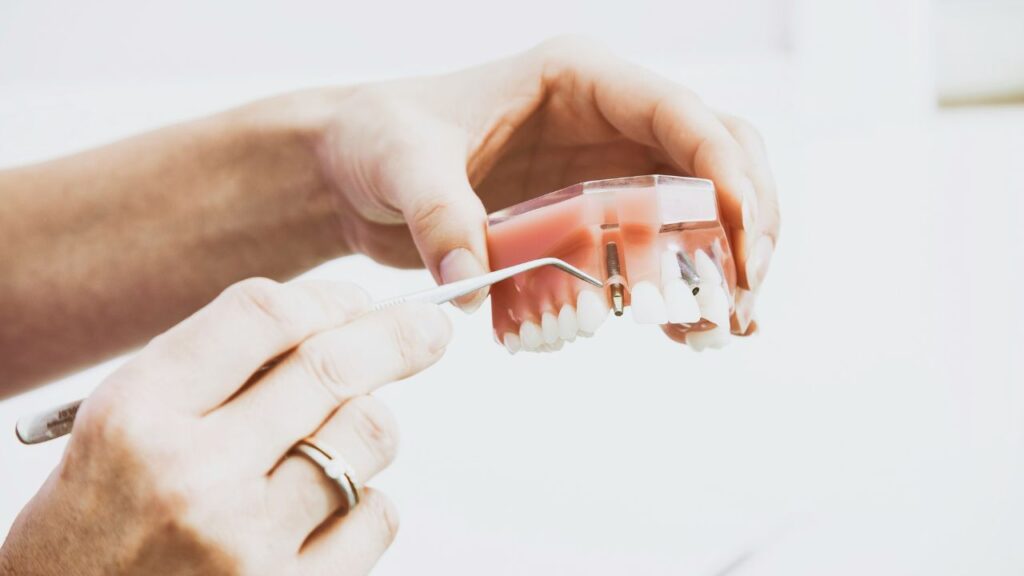
A dental implant is a small titanium post that is placed into the jawbone to act as an artificial tooth root. Once the post integrates with the surrounding bone a process called osseointegration a custom-made crown is attached on top to replicate the appearance of a natural tooth.
This three-part system includes the implant post, an abutment that connects the post to the crown, and the crown itself. Together, they work as a unit designed to mimic the structure of a natural tooth from root to tip.
Because the dental implants in Lower Hutt are anchored in the jawbone, it provides a level of stability that other tooth replacement options may not offer in the same way. This stability is one reason many people find implants to behave more like natural teeth in everyday situations.
How Do Dental Implants Feel Compared to Natural Teeth?
The Sensation of Biting and Chewing
Natural teeth have a ligament called the periodontal ligament that connects the tooth root to the jawbone. This ligament contains nerve endings that give you a sense of pressure when biting down a feedback that helps you gauge how hard you are chewing.
Dental implants do not have this ligament. However, once fully healed and integrated, many patients find they can bite and chew with a level of comfort and confidence that feels quite natural. The absence of the ligament means the biting sensation is slightly different, but most people adjust to this over time.
Treatment outcomes vary depending on individual circumstances, including bone density, gum health, and overall oral condition.
Day-to-Day Comfort
One of the more notable aspects of dental implants is that they do not move. Unlike removable dentures, which can shift when eating or speaking, implants remain fixed in place. This can make simple activities like eating an apple or speaking clearly feel much more comfortable and natural.
Over time, many patients report that they stop thinking about their implant altogether which is often the goal of a well-fitted restoration.
Does Getting a Dental Implant Hurt?
This is one of the most common concerns people have before starting the process. The implant placement is a surgical procedure, typically performed under local anaesthetic. Most patients report feeling pressure rather than pain during the procedure itself.
After the anaesthetic wears off, some tenderness and swelling around the area is normal for a few days. This is part of the body’s natural healing response. Your dental professional will provide guidance on managing any post-procedure discomfort.
The healing period after implant placement, before the crown is fitted, can take several weeks to a few months. During this time, the implant fuses with the bone. Individual healing times vary.
How Do Dental Implants Compare to Other Tooth Replacement Options?
Implants vs. Dentures
Traditional dentures rest on the gums and are held in place by suction or adhesive. While they are a practical option for many people, they can sometimes feel loose or uncomfortable, particularly over time as the shape of the jaw changes.
Dental implants are fixed in the bone and do not rely on adhesive or suction. This makes them behave more similarly to natural teeth in terms of stability. However, dentures remain a suitable choice for many patients, and the right option depends on individual health factors and personal preference.
Implants vs. Dental Bridges
A dental bridge involves crowning the teeth on either side of a gap to support an artificial tooth in between. Bridges do not require surgery and can be an effective solution for tooth replacement.
Implants, on the other hand, stand independently without altering the adjacent teeth. Each option has its own advantages, and the appropriate choice will depend on your specific dental situation. A consultation with a dental clinic in Lower Hutt professional can help clarify which treatment may suit you.
Are Dental Implants Suitable for Everyone?
Dental implants are not suitable for all patients. Adequate bone density in the jaw is important for the implant to integrate properly. If significant bone loss has occurred, additional procedures such as bone grafting may be considered first, though this depends on individual assessment.
Factors that may affect suitability include:
-
- General health and medical history
- Gum health
- Whether you smoke, as this can affect healing
- Bone volume and density
A personalised assessment with a dental professional is the appropriate starting point. This helps identify whether implants are a suitable option for your circumstances, or whether alternative treatments may be more appropriate.
How Long Do Dental Implants Last?
With proper care, dental implants can be a long-term tooth replacement option. They are not immune to complications, and outcomes vary depending on individual factors such as oral hygiene, lifestyle habits, and regular dental monitoring.
The crown attached to the implant may need to be replaced over time due to normal wear. The implant post itself, when properly maintained and integrated with the bone, can remain stable for many years in suitable candidates.
Maintaining good oral hygiene and attending regular dental check-ups are important aspects of caring for an implant, just as they are for natural teeth.
Frequently Asked Questions
Do dental implants feel different to real teeth?
Dental implants do not have the same internal structure as natural teeth, so the sensation is not identical. However, many patients find that implants function in a way that feels quite natural during everyday activities such as eating and speaking. The level of comfort experienced can vary depending on the individual and the quality of the restoration.
Can you feel a dental implant in your jaw?
In the weeks immediately following surgery, it is normal to be aware of the implant site as it heals. Once the dental implant has fully integrated with the jawbone and the crown has been fitted, most people stop noticing it in their day-to-day life. This varies between individuals.
How long does it take to get used to a dental implant?
The adjustment period is different for everyone. Some people feel comfortable within a few weeks of having the crown fitted, while others may take a few months to fully adapt. Your dental professional can provide guidance throughout the process.
Are dental implants worth considering for tooth replacement in Lower Hutt?
Dental implants in Lower Hutt are available through various dental practices and may be worth discussing if you are looking for a fixed, long-term tooth replacement option. Whether they are appropriate for you depends on your dental health, bone structure, and overall medical situation. A consultation is the best way to explore your options.
Conclusion
Dental implants offer a tooth replacement option that closely mimics the structure and function of natural teeth. While the sensation is not completely identical to a natural tooth, many patients find that implants provide a stable, comfortable experience that allows them to eat, speak, and go about their daily life with greater confidence.
If you have been considering dental implants in Lower Hutt, speaking with a qualified dental professional is a helpful first step. They can assess your individual situation and help you understand what may be possible for you.
At Naenae Dental Clinic, the team focuses on patient-centred care and evidence-based dental treatment. If you would like to learn more about tooth replacement options, you are welcome to get in touch and arrange a consultation to discuss what may suit your needs.
Sources: