
Gum disease is a common oral health concern in New Zealand, yet many people are unaware of it until it has already progressed. Regular dental hygiene treatment is one of the recommended ways to keep your gums healthy and help stop problems before they start.
Whether you are brushing and flossing daily or not, plaque and tartar can still build up in areas that are difficult to clean at home. Over time, this build-up can irritate your gums and lead to infection. A professional hygiene appointment helps remove what your toothbrush simply cannot reach, which may support better long-term oral health.
Understanding how dental hygiene treatment works and why it matters can help you make more informed decisions about your care. This guide explains the connection between professional cleaning and gum disease prevention in plain, straightforward terms.
What Is Gum Disease and Why Does It Develop?
Gum disease, also known as periodontal disease, is an infection of the tissues that surround and support your teeth. It typically starts as gingivitis, a mild inflammation caused by plaque build-up along the gum line.
When plaque is not removed regularly, it hardens into tartar (also called calculus). Tartar cannot be removed with a toothbrush alone. As it builds up, bacteria in the tartar release toxins that irritate the gums, causing redness, swelling, and bleeding.
This is where dental hygiene treatment in Lower Hutt can make a meaningful difference. A professional clean removes tartar from areas that brushing simply cannot reach, helping to reduce irritation and support healthier gums before the condition progresses.
If left untreated, gingivitis can progress to periodontitis — a more serious form of gum disease that affects the bone and connective tissue supporting your teeth. At this stage, the damage may be more difficult to manage and can contribute to tooth loss over time.
Common Risk Factors for Gum Disease in New Zealand
Several factors can increase your risk of developing gum disease:
- Inconsistent brushing and flossing habits
- Smoking, which significantly reduces gum health
- Diabetes, which can affect the body’s ability to fight infection
- Certain medications that reduce saliva flow
- Hormonal changes, such as during pregnancy
- A diet high in sugar and processed foods
Being aware of these risks helps you and your dental team put the right preventative measures in place.
What Happens During a Dental Hygiene Treatment Appointment?
A dental hygiene treatment appointment typically involves a thorough professional clean, a check of your gum health, and personalised oral hygiene advice.
Scale and Polish
The core of most hygiene visits is a professional scale and polish. During this process, a dental professional uses specialised instruments to remove plaque and tartar from the surfaces of your teeth and below the gum line — areas that are hard to reach with a toothbrush or floss at home.
After scaling, your teeth are polished to remove surface stains and create a smoother surface that makes it harder for plaque to re-attach.
Gum Health Assessment
Your dental team will also assess the health of your gums by measuring the depth of the pockets around each tooth. Shallow pockets are a sign of healthy gums. Deeper pockets may indicate gum disease and will be monitored over time.
This assessment helps track any changes in your gum health and allows your dental team to adjust your care plan accordingly.
Oral Hygiene Education
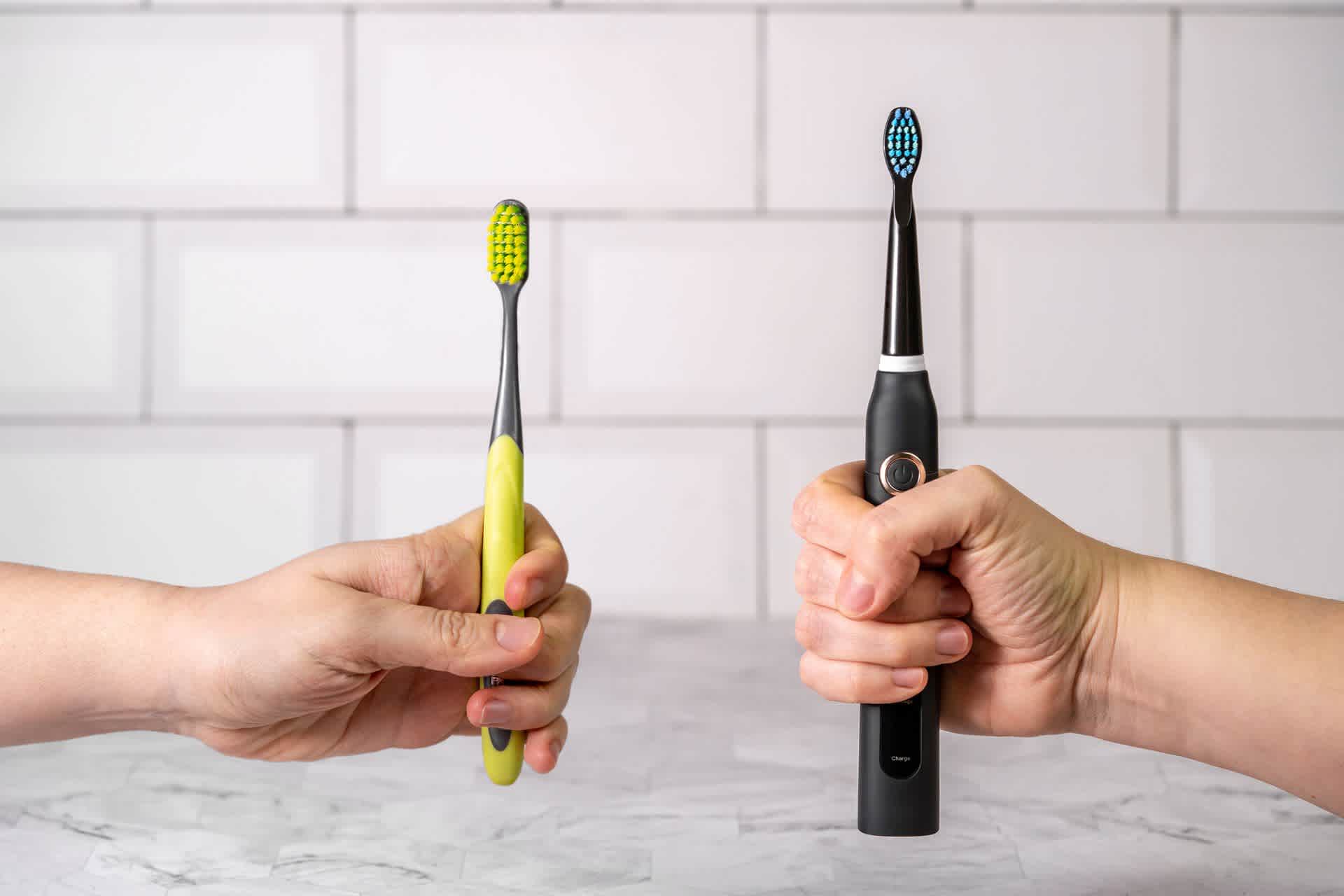
One practical part of a hygiene visit is the guidance you receive on your at-home routine. Your dental professional may suggest better brushing techniques, recommend a particular type of floss or interdental brush, or advise on a suitable rinse to use for your specific needs.
Small changes to your daily habits can have a meaningful impact on your gum health between visits.
How Often Should You Have a Dental Hygiene Treatment?
There is no single answer that applies to everyone. The recommended frequency depends on your current gum health, your risk factors, and how quickly plaque and tartar tend to build up for you.
For most adults with healthy gums, a hygiene appointment every six months is generally appropriate. If you have a history of gum disease or other risk factors, more frequent visits — such as every three to four months may be recommended.
Speaking with a dentist in Lower Hutt is a reliable way to determine the right schedule for your needs. Your dental team will guide you based on your individual circumstances, taking into account your gum health history and any risk factors that may apply.
Regular visits allow any early signs of gum disease to be identified and managed before they develop further.
Can Dental Hygiene Treatment Reverse Gum Disease?
It depends on the stage. Gingivitis the early stage of gum disease can often be improved significantly with professional cleaning and a consistent at-home routine. When the irritants (plaque and tartar) are removed and good oral hygiene is maintained, the gum tissue often responds positively.
However, periodontitis involves damage to the bone and connective tissue supporting the teeth, and this level of damage cannot be fully reversed. Treatment at this stage aims to stop the progression and protect what remains.
This is one of the key reasons why early intervention matters. Detecting and addressing gum disease in its early stages may help preserve your gum and bone health, depending on individual circumstances.
The Connection Between Gum Health and Your Overall Health
Some research suggests a link between gum disease and certain systemic health conditions . These include cardiovascular disease, poorly controlled diabetes, and complications during pregnancy.
While the exact nature of these relationships is still being studied, there is growing evidence suggesting a connection between oral health and overall wellbeing. Keeping your gums healthy is not just about your teeth it may also contribute to your general health.
Dental hygiene treatment is one practical step toward maintaining both oral and overall health over the long term.
Frequently Asked Questions
Is dental hygiene treatment painful?
For most people, a professional clean is comfortable. Some sensitivity may be felt, particularly if tartar has built up significantly or if your gums are already inflamed. Your dental professional can adjust their approach to keep you as comfortable as possible. If you have concerns, let them know before the appointment begins.
How is dental hygiene treatment different from a regular dental check-up?
A dental check-up is primarily an examination your dentist assesses your teeth, gums, bite, and overall oral health. A hygiene appointment focuses specifically on the professional cleaning of your teeth and gums and includes personalised oral hygiene guidance. Both play different but complementary roles in your care. Some clinics offer both on the same day, while others schedule them separately.
Will my gums bleed during or after a hygiene appointment?
Some bleeding can occur, especially if your gums are inflamed from plaque build-up. This is a common response and usually settles within a day or two.With consistent care and improved hygiene habits, bleeding often improves over time, though this can vary depending on individual circumstances.
How can I maintain good gum health between hygiene visits?
Brushing twice daily with a fluoride toothpaste, cleaning between your teeth with floss or interdental brushes, and limiting sugary foods and drinks all help maintain healthy gums. If you smoke, reducing or stopping can significantly improve your gum health. Your dental team can provide personalised advice based on your situation.
Conclusion
With consistent care, many people can reduce their risk of developing gum disease , and dental hygiene treatment is one of the tools that may help protect your gums for the long term. Regular professional cleaning removes the build-up that daily brushing cannot address, while gum assessments allow early warning signs to be monitored before they develop further.
If it has been a while since your last hygiene appointment, or if your gums have been feeling sensitive or bleeding when you brush, it is worth speaking with a dental professional.
At Naenae Dental Clinic, the team offers dental hygiene treatment as part of a broader preventative care approach helping patients maintain their oral health with evidence-based care. A personalised treatment plan can be discussed at your next visit.