
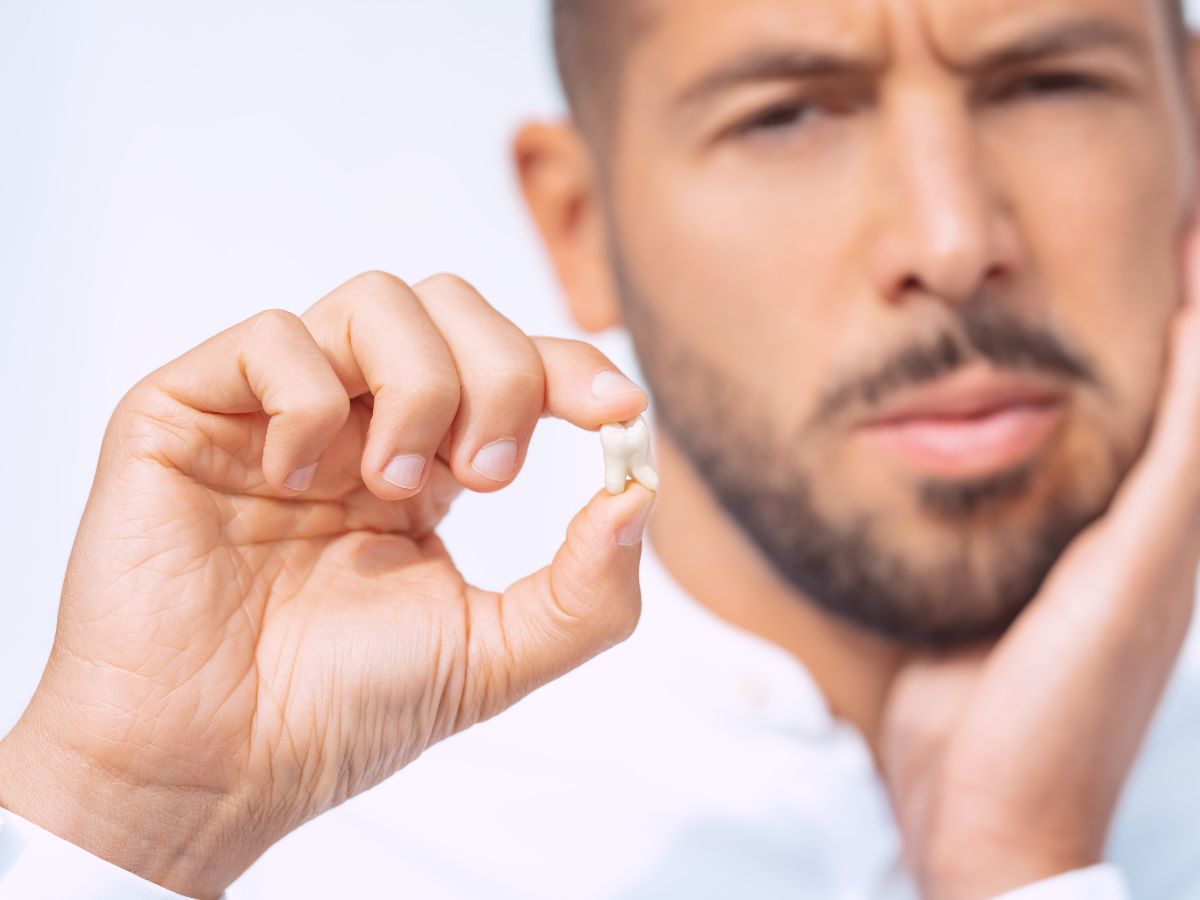

Wisdom teeth, also known as third molars, usually start coming through between the ages of 17 and 25, though timing can vary from person to person. For many people in Lower Hutt and beyond, these teeth grow in without enough space, which can lead to pain, infection, or crowding. Wisdom teeth removal is a common procedure that may help protect oral health by addressing these issues before they cause further complications.
For families, keeping an eye on wisdom teeth as teenagers and young adults grow is an important part of long-term dental care. In this guide, we’ll look at how wisdom teeth removal can support a healthier mouth and what families can expect from the process.
Why Wisdom Teeth Often Cause Problems
Many people’s jaws do not have sufficient room for a third set of molars. When wisdom teeth try to come through in a crowded space, they may become impacted. This means they’re trapped under the gum or growing in at an angle.
Impacted wisdom teeth can press against neighbouring teeth. This pressure may cause discomfort, shifting, or damage to nearby tooth roots. It may also contribute to misalignment in teeth that have already been straightened with orthodontic treatment. For many families, this is one of the main reasons wisdom teeth removal in Lower Hutt is recommended before further complications develop.
In some cases, wisdom teeth only partially break through the gum. This creates a flap of tissue that can trap food particles and bacteria, making it hard to clean properly even with careful brushing.
How Wisdom Teeth Removal May Help Prevent Infection
When a wisdom tooth is partially erupted, the surrounding gum tissue can become inflamed and infected. This condition is known as pericoronitis, and it can cause swelling, pain, and difficulty opening the mouth.
Removing the affected tooth may help eliminate the source of repeated infections. This can reduce the risk of the infection spreading to other areas of the mouth, jaw, or throat.
Addressing problematic wisdom teeth before infection develops may help avoid some of the discomfort and complications associated with treating an active infection
Protecting Nearby Teeth From Damage
Wisdom teeth growing at an angle can push against the second molars next to them. Over time, this pressure may lead to decay, bone loss, or damage to the roots of these healthy teeth.
Cysts can also form around impacted wisdom teeth in some cases. If left untreated, these fluid-filled sacs may damage the jawbone, surrounding teeth, and nerves.
By removing problematic wisdom teeth, the risk to neighbouring teeth and supporting structures may be reduced. This may help protect the health of surrounding teeth and supporting bone, which is particularly relevant for teenagers who have undergone orthodontic treatment.
Reducing the Risk of Decay and Gum Disease
Wisdom teeth sit at the very back of the mouth, an area that’s naturally harder to reach with a toothbrush or floss. This makes them more prone to plaque buildup.
When plaque isn’t removed effectively, it can lead to tooth decay and gum disease. Gum disease around wisdom teeth may also affect the gum health of nearby teeth if it isn’t managed. A dentist in Lower Hutt can assess during a routine check-up whether wisdom teeth are contributing to these risks for you or your family.
Removing wisdom teeth that are difficult to clean properly may help lower the long-term risk of decay and gum disease in that part of the mouth.
Supporting Better Oral Hygiene Long-Term
After wisdom teeth removal, many patients find it easier to maintain a thorough oral hygiene routine. With the problematic teeth gone, brushing and flossing the back teeth becomes more straightforward.
This can contribute to better plaque control across the whole mouth, supporting gum health and reducing the chances of future dental issues in that area.
A personalised treatment plan can be discussed during a consultation, taking into account individual dental history and the position of the wisdom teeth.
What Happens During the Wisdom Teeth Removal Process
The procedure for wisdom teeth removal will depend on how the tooth is positioned and whether it has fully or partially erupted. Your dentist will assess this using an examination and dental X-rays.
Local anaesthetic is typically used to numb the area, and your dentist will discuss any additional comfort options that may be suitable for your situation.
Recovery time varies depending on the individual and how the teeth were positioned. Some people feel back to normal within a few days, while others may need a week or more.Your dentist can provide guidance on aftercare, including diet, oral hygiene, and managing any swelling or discomfort during healing.
Frequently Asked Questions
Do all wisdom teeth need to be removed?
Not necessarily. Some wisdom teeth grow straight, with enough space, and don’t cause any issues. In these cases, your dentist may simply monitor them over time. Removal is usually recommended only when there are signs of crowding, infection, decay, or other problems.
Is wisdom teeth removal painful?
Most patients are given local anaesthetic to numb the area during the procedure itself. Some discomfort and swelling afterwards is common as part of normal healing. Your dentist can talk you through what to expect and how to manage recovery comfortably.
How long does recovery take after wisdom teeth removal?
Recovery time varies depending on the individual and how the teeth were positioned. Some people feel back to normal within a few days, while others may need a week or more. Following your dentist’s aftercare instructions can support a smoother recovery.
At what age should wisdom teeth be checked?
Many dentists recommend monitoring wisdom teeth from the late teenage years onwards, as this is when they typically start to develop and emerge.
Regular check-ups and X-rays can help identify potential issues early, before they become more complicated. If problems are found, wisdom teeth removal may be discussed as part of a personalised treatment plan. This makes it a good topic for families to raise during routine dental visits for teenagers.
Conclusion
Wisdom teeth removal can play an important role in protecting oral health, from helping prevent infections and gum disease to protecting nearby teeth from damage. While not everyone needs this procedure, regular dental check-ups can help identify whether wisdom teeth may cause problems down the track.
If you or a family member is experiencing discomfort or has concerns about wisdom teeth, the team at Naenae Dental Clinic can assess the situation and discuss a personalised treatment plan suited to your needs.