
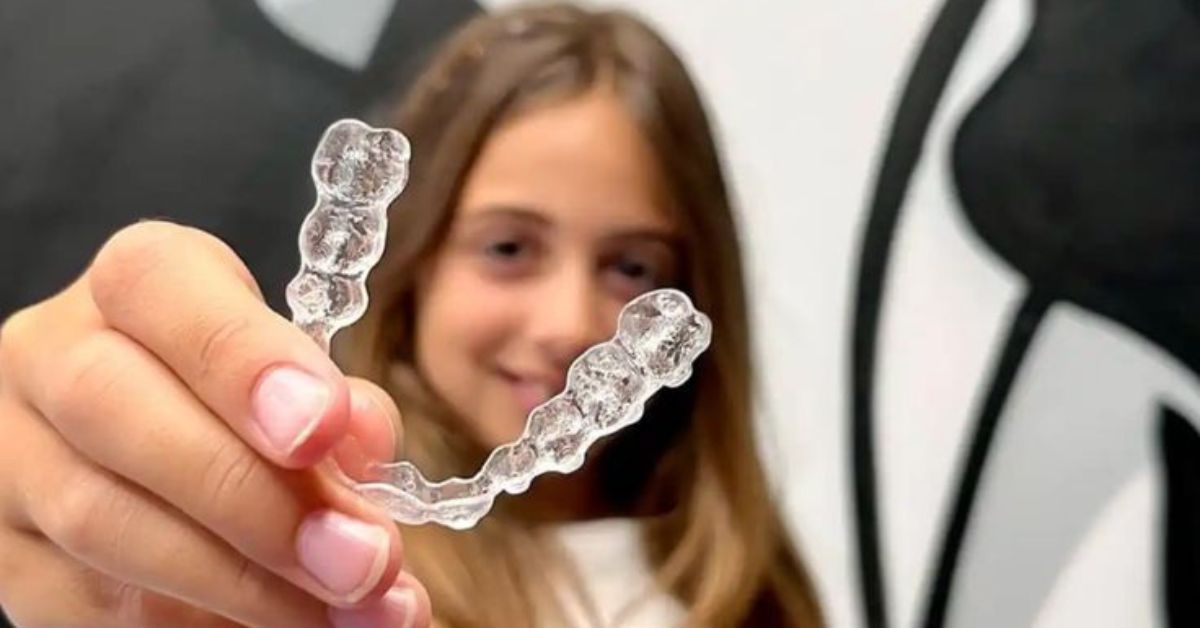

Clear aligners have become a popular consideration for people looking to address tooth alignment discreetly and comfortably. However, supporting the best possible outcomes with clear aligners in Lower Hutt depends heavily on one important factor: consistency.
Many patients begin clear aligner treatment without fully understanding how significantly wear habits can influence progress. The degree to which aligners are worn as prescribed plays a direct role in how treatment develops over time.
This guide explores the important role consistency plays in clear aligner treatment and what patients can do to support their treatment progressing as planned. Whether you are considering clear aligners for the first time or are already partway through treatment, understanding this aspect of orthodontic care can help you make more informed decisions.
Speaking with a dentist in Lower Hutt before starting treatment is a sensible first step toward understanding what consistent aligner wear involves and whether this treatment may be suitable for your individual circumstances.
How Clear Aligners Work
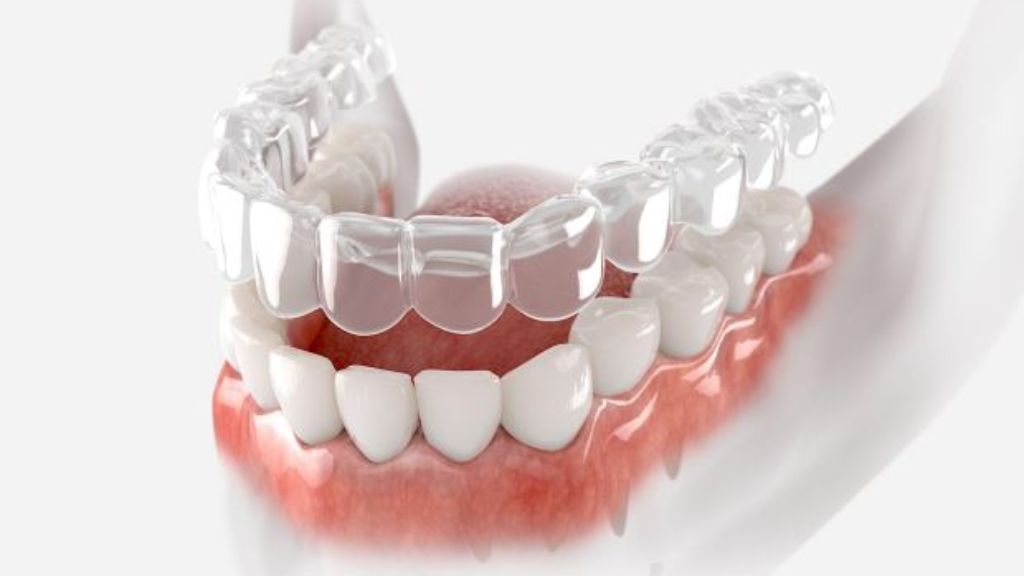
Clear aligners gradually move your teeth into their desired positions through consistent, gentle pressure. Each aligner is slightly different from the previous one, designed to shift your teeth by a small amount.
Your orthodontist will typically provide you with a series of aligners, each meant to be worn for a specific period usually 20 to 22 hours per day. Clear aligners in Lower Hutt rely on incremental changes, and if you skip days, the pressure your teeth experience becomes uneven.
Your teeth may not move as planned, which can delay your progress. The materials used in clear aligners are engineered to apply specific amounts of force. This precision is only effective when aligners are in contact with your teeth for the recommended duration.
The Impact of Inconsistency on Treatment Timeline
One of the more common concerns with clear aligner treatment is a longer than expected treatment timeline. In many cases, inconsistent wear is a contributing factor to this outcome.
If aligners are worn for fewer hours than recommended each day, teeth receive less pressure for less time. This can slow the treatment process considerably. Treatment that was originally planned for a set period may take longer if wear habits are inconsistent throughout.
Wearing aligners consistently allows each phase of treatment to progress in line with the original plan. This supports a more predictable timeline and reduces the likelihood of needing additional aligners or adjustments later in treatment.
Consistency in wear also influences whether final tooth positions align with the intended treatment outcome. Incomplete or irregular wear can result in tooth movement that differs from what was originally planned.
Teeth Movement and Bone Adaptation
Clear aligners work by gradually moving your teeth, which requires the bone surrounding your tooth roots to remodel and adapt. This biological process takes time and can only happen effectively if pressure is applied consistently.
When you wear your aligners as prescribed, your body adapts in a controlled, predictable way. The periodontal ligament, the tissue connecting your teeth to your jaw bone responds to the gentle, constant pressure by allowing your teeth to move safely.
If you remove your aligners too frequently, this biological adaptation process doesn’t progress smoothly. Your teeth may move erratically or not at all. In some cases, inconsistent wear can even cause your teeth to shift backward toward their original positions, undoing the progress you’ve already made.
Think of it like building a habit or developing a skill. Consistency creates muscle memory and allows your body to adapt. The same principle applies to orthodontic tooth movement. Your bone and tissues need consistent stimulus to respond effectively.
Addressing Alignment Issues from the Start
Consistency becomes even more important when you consider that many orthodontic problems are complex. Your dentist or orthodontist has spent time analysing your bite, your tooth positions, and your jaw structure to create a customised treatment plan specifically for your teeth.
When you deviate from this plan by not wearing your aligners consistently, your teeth may start moving differently than predicted, which can complicate your treatment. A dentist in Lower Hutt will explain that what was supposed to be a straightforward case might become more complicated, requiring additional aligners or adjustments.
Starting your treatment with commitment sets a positive foundation. The sooner you establish the habit of wearing your aligners for the recommended hours, the sooner you’ll see results and experience visible progress.
Managing Lifestyle While Staying Consistent
One reason patients struggle with consistency is that clear aligners require lifestyle adjustments. You need to remove them before eating or drinking anything except water. You’ll need to clean your aligners daily and maintain excellent oral hygiene. You must remember to put them back in after meals.
Despite these challenges, millions of people worldwide have successfully completed clear aligner treatment by prioritising consistency. Here are some practical strategies:
Set phone reminders for when you should insert your aligners after meals. Use a dedicated case to avoid losing them. Establish a routine: wear them, remove them for meals, clean them, put them back in. The more automatic this becomes, the easier it is to stay consistent.
FAQ: Clear Aligners and Consistency
How many hours per day should I wear my clear aligners?
Most orthodontists recommend wearing clear aligners for 20 to 22 hours per day. This gives you a small window for eating and cleaning your aligners. The exact recommendation may vary based on your specific treatment plan, so always follow your orthodontist’s guidance.
What happens if I forget to wear my aligners for one day?
Occasionally forgetting for a few hours won’t ruin your treatment, but it does slow progress. If you skip an entire day, you’re missing 24 hours of tooth movement. If this happens regularly, it will noticeably extend your treatment timeline. Aim to be consistent every single day.
Can I wear my clear aligners less than recommended and extend my treatment?
No. Your treatment plan was designed based on consistent wear. If you reduce wear time, you may extend your overall timeline by months, but you won’t improve results you’ll only delay them. It’s better to wear them as prescribed for a shorter total duration.
Do clear aligners hurt if I’m inconsistent with wear?
If you leave your aligners out for extended periods and then reinsert them, they may feel uncomfortable because your teeth have begun to shift back. Consistent wear keeps you moving forward smoothly, which is often more comfortable than an inconsistent pattern of wear.
Conclusion
Consistency is an important factor in how clear aligner treatment progresses. A dental professional can provide a carefully designed treatment plan and appropriate aligner technology, but how consistently aligners are worn plays a significant role in whether treatment develops as intended.
For anyone considering clear aligners in Lower Hutt, understanding the role of consistent wear before starting treatment can help set realistic expectations and support better outcomes. Establishing a reliable daily routine and following your dental professional’s guidance on wear time are practical steps that can make a meaningful difference throughout the treatment process.
At Naenae Dental Clinic, a personalised consultation can help explore whether clear aligners may be a suitable option for your individual dental health needs and what consistent treatment may involve for your circumstances.
