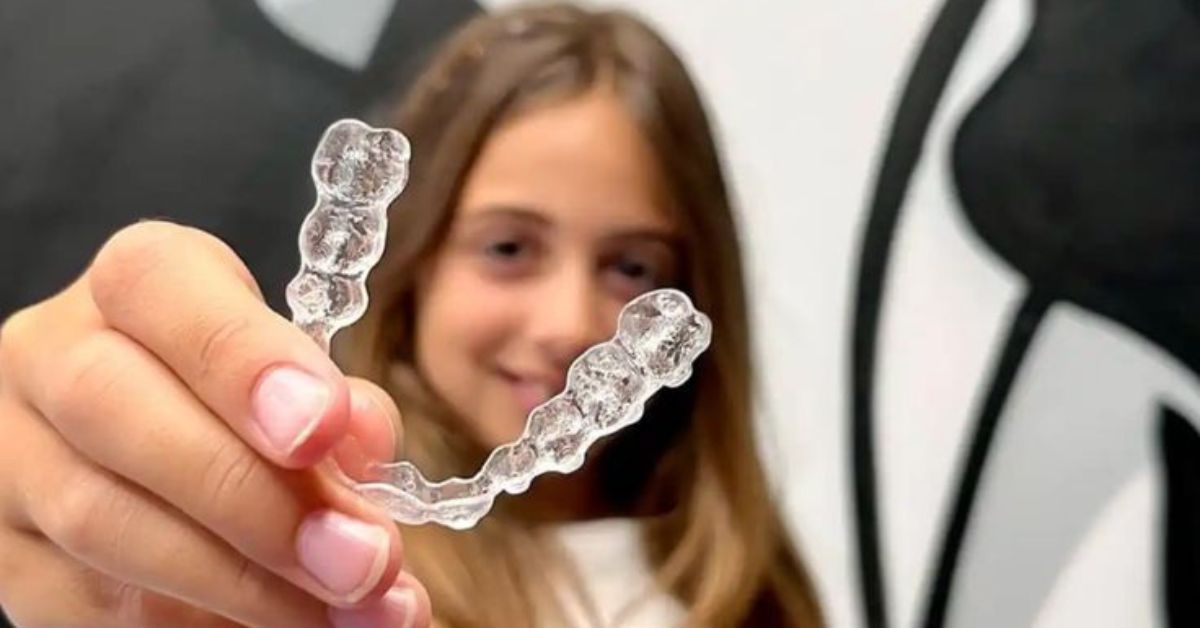


Have you ever wondered how clear aligners actually move your teeth? Many people in Lower Hutt and across New Zealand are curious about the mechanics behind this popular orthodontic treatment.
Clear aligners have become a preferred choice for straightening teeth because they’re discreet, comfortable, and increasingly effective. But the science that makes them work is genuinely fascinating. Understanding how clear aligners apply pressure to gradually shift your teeth can help you make an informed decision about your smile.
This guide explains the biological and mechanical processes that allow clear aligners to move teeth safely and effectively over time. We’ll explore the forces involved, the response of your teeth and bone, and why this gradual approach works so well.
How Tooth Movement Works: The Basic Biology
Teeth are not anchored permanently in place. They are held by a specialised network of fibres called the periodontal ligament, which connects the tooth root to the jawbone. When gentle, sustained pressure is applied to a tooth, the surrounding bone begins to remodel itself.
This process is called bone resorption and deposition. On one side of the tooth, bone cells called odontoclasts break down and reabsorb existing bone. On the opposite side, new bone-building cells called osteoblasts create fresh bone tissue.
Clear aligners in Lower Hutt are designed to apply controlled pressure that triggers this biological response. Over weeks and months, this continuous cycle allows a tooth to move gradually into a new position without causing damage to the tooth or surrounding structures.
The Pressure Applied by Clear Aligners
Clear aligners work through a simple but clever principle: they’re manufactured slightly different from your current tooth position and your desired final position. Each aligner represents a tiny increment of tooth movement, usually between 0.25 and 0.5 millimetres per step.
When you wear an aligner, it gently pushes your teeth toward that new position. The pressure builds gradually as the aligner fits snugly around each tooth. This isn’t an aggressive force, it’s a mild, sustained pressure that your mouth can comfortably tolerate for the recommended 20–22 hours per day.
Different aligners exert varying amounts of pressure depending on your specific treatment needs. Canines might receive different pressure than molars because they have different root structures and bone density around them. This customisation is one reason clear aligners can be so effective.
The Role of the Periodontal Ligament
The periodontal ligament (PDL) is crucial to understanding tooth movement. This thin network of connective tissue contains blood vessels, nerve fibres, and special cells that sense pressure and mechanical stress.
When an aligner applies pressure, the PDL stretches on one side of the tooth and compresses on the other. These sensory nerves detect this change and trigger a biological response. The body recognises that the tooth position has changed and initiates the bone remodelling process. This feedback loop is what makes tooth movement possible.
The PDL also contains proprioceptive nerve fibres sensors that tell your brain where your teeth are in space. This is why you might feel your bite shift slightly as your teeth move. The PDL is remarkably adaptive and responds well to the gentle, consistent pressure that clear aligners provide.
Why Gradual Movement is Important
One of the biggest advantages of clear aligners is that they move teeth gradually. This isn’t just about comfort, it’s scientifically sound. Gradual movement allows the bone and periodontal ligament to respond naturally without trauma.
Fast, aggressive tooth movement can damage the PDL, cause root resorption (shortening of the tooth root), or create permanent bone loss. A dentist in Lower Hutt will explain that gradual movement, typically progressing at about 1 millimetre per month, allows your body’s biological systems to keep pace.
Each aligner represents a small step forward. Your teeth never feel rushed or forced. This gradual approach also means fewer appointments and less discomfort compared to traditional braces, which apply constant, heavier pressure.

Material Science: How Aligners Hold Their Shape
Clear aligners are made from thermoplastic materials, most commonly polyurethane or similar polymers. These materials are chosen because they’re flexible yet retain memory; they hold their programmed shape while still allowing slight movement.
The thickness and design of the aligner material matter significantly. Manufacturers engineer aligners to provide consistent pressure across different tooth types and movements. The material must be rigid enough to exert force but flexible enough to seat comfortably and allow you to insert and remove it.
Advanced manufacturing uses 3D printing and scanning technology to ensure each aligner fits your teeth precisely and applies force exactly where it’s needed. This level of customisation is difficult to achieve with traditional orthodontics.
Individual Variation in Tooth Movement
Not everyone’s teeth move at the same rate. Bone density, age, genetics, and overall health all influence how quickly your teeth respond to aligner pressure.
Younger patients often experience faster tooth movement because their bones are more metabolically active. Adults’ teeth can still move effectively, but the process may be slightly slower. Your dentist accounts for these variations when creating your custom treatment plan.
Consistency matters too. Wearing your aligners for the recommended 20–22 hours daily keeps the pressure consistent and the biological response active. Removing them frequently can slow progress and extend your treatment timeline.
Frequently Asked Questions
How long does it actually take for teeth to move with clear aligners?
Teeth begin responding to aligner pressure within the first few days of wearing a new aligner. You may notice slight shifts after 1–2 weeks, though these changes are often subtle. Most noticeable movement happens over weeks and months of consistent wear. A typical treatment might take 6–18 months depending on how much correction is needed. Your dentist will give you a more specific timeline based on your individual case.
Can teeth move too fast with clear aligners?
If teeth move too quickly, it can damage the periodontal ligament and cause discomfort or bone loss. This is why clear aligners are designed to move teeth gradually. If you experience significant pain or notice accelerated movement, contact your dentist. Wearing aligners longer than recommended or obtaining poorly designed aligners could increase risk, which is why professional monitoring is important.
Do teeth stay in their new position after clear aligner treatment?
Teeth have a natural tendency to shift back toward their original position, a process called relapse. This is why retainers are essential after your aligner treatment finishes. Wearing a retainer helps stabilise your teeth in their new position as the bone and ligaments fully adapt. Your dentist will recommend how long and how often to wear your retainer.
Is the tooth movement achieved with clear aligners long-lasting?
Clear aligners can support effective tooth movement, though maintaining results over the longer term depends on consistent retainer use following active treatment. Retainers help keep teeth in their corrected positions as the supporting bone and ligaments stabilise in their new configuration.
Without appropriate retention, teeth may gradually shift over time. Individual outcomes vary, and a dental professional can discuss realistic expectations for long-term stability during a consultation based on your specific treatment and circumstances.
Conclusion
Clear aligners work by harnessing the body’s natural ability to remodel bone and shift teeth through gentle, controlled pressure applied over time. By encouraging this biological response gradually, clear aligners support tooth movement in a way that allows surrounding bone and tissue to adapt alongside treatment.
The periodontal ligament detects pressure changes, bone cells respond by resorbing and depositing new tissue, and teeth gradually shift toward their intended positions. Understanding this process can help you appreciate why consistent wear and professional oversight are important throughout treatment.
For anyone considering clear aligners in Lower Hutt, a consultation with a dental professional is a practical first step. At Naenae Dental Clinic, a personalised assessment can help explore whether clear aligners may be a suitable option for your individual dental health needs and what the process may involve for your circumstances.