

As we get older, our teeth and gums go through a lot of changes. Years of chewing, brushing, and everyday wear can affect enamel, gums, and the bone that supports our teeth. For families in Lower Hutt looking after parents, grandparents, or simply planning ahead for their own future, understanding how dental hygiene treatment supports healthy ageing smiles is an important part of long-term wellbeing.
Dental hygiene treatment is not just about a clean, fresh smile. It plays a key role in preventing gum disease, protecting against tooth loss, and supporting overall health as we age. With the right preventative care and regular check-ups, many older adults can support the long-term health of their natural teeth, or maintain healthy gums around dentures and implants.
This article looks at why dental hygiene becomes more important with age, what changes families should watch for, and how a personalised approach to oral care can help support healthy smiles at every stage of life.
Why Oral Health Needs Change As We Age
Ageing affects the mouth in several ways. Saliva production often decreases, which can increase the risk of dry mouth and tooth decay. Gums may recede over time, exposing the roots of the teeth, which are more sensitive and prone to decay than the enamel-covered crown.
Many older adults also take medications that can affect oral health, such as those that reduce saliva flow or affect gum tissue. Combined with years of natural wear, these changes mean that dental hygiene treatment in Lower Hutt often needs to be adjusted to suit individual needs.
Regular dental hygiene visits allow these changes to be monitored closely. A dental hygienist can identify early signs of gum recession, dry mouth, or wear and discuss a personalised treatment plan during consultation to help manage these issues before they become more serious.
Diet can also play a part in oral health as we age. Softer diets, frequent snacking, or changes in nutrition can all influence the risk of decay and gum irritation. A hygienist can offer practical, tailored guidance on food choices and eating habits that support both oral health and overall wellbeing, without requiring dramatic lifestyle changes.
The Role of Dental Hygiene Treatment in Preventing Gum Disease
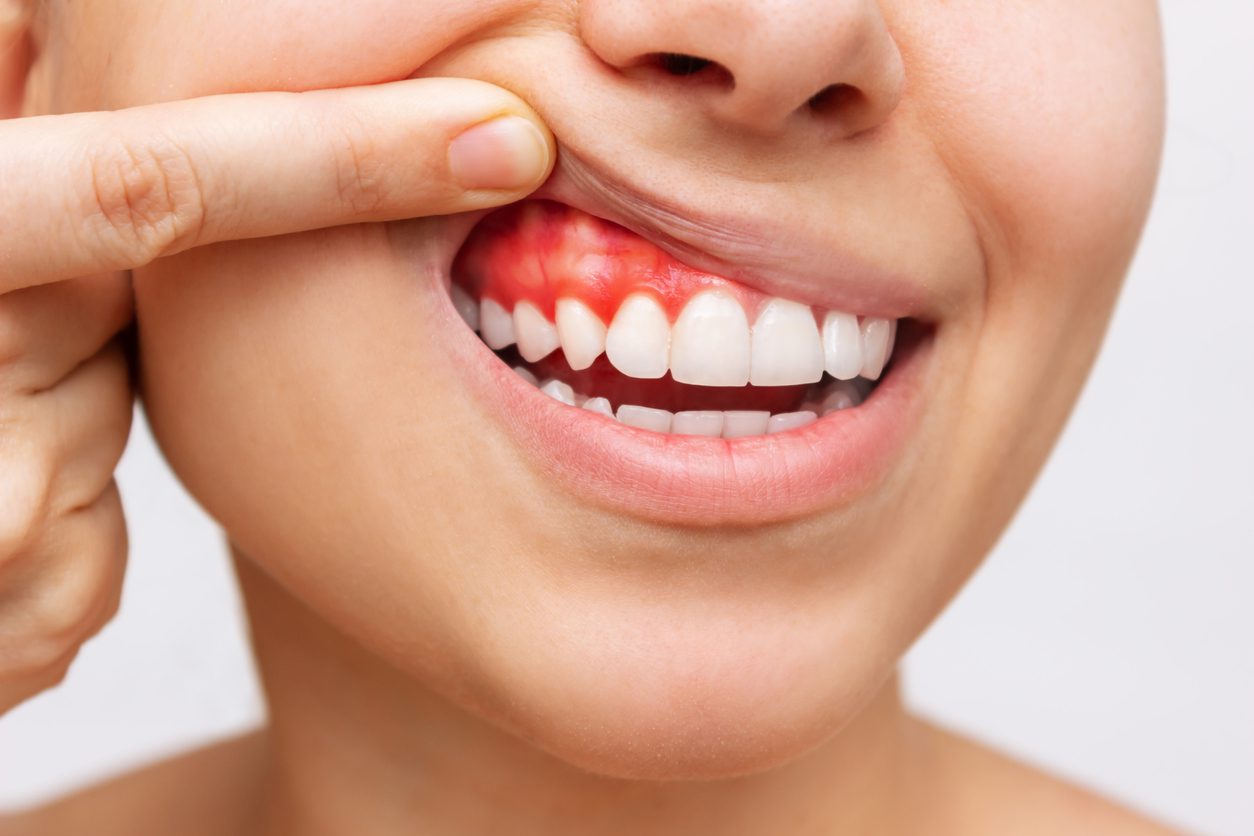
Gum disease, also known as periodontal disease, becomes more common with age. It often develops slowly and without obvious pain in the early stages, which is why regular professional care is so valuable.
Dental hygiene treatment typically includes thorough cleaning to remove plaque and tartar build-up, particularly in areas that are harder to reach with a toothbrush alone. This helps reduce inflammation in the gums and supports the health of the tissue and bone that hold teeth in place.
For older adults, keeping gum disease under control may help reduce the risk of tooth loss later in life. Treatment outcomes vary depending on individual circumstances, so a hygienist will usually tailor the frequency and type of care based on each person’s gum health, medical history, and lifestyle.
Some people are also curious about the connection between gum health and overall wellbeing, particularly when managing existing medical conditions this is something that can be discussed with your hygienist or doctor. While a hygienist cannot treat these conditions directly, keeping gum disease under control as part of a broader healthcare routine may be a useful addition to an older adult’s overall care plan.
Supporting Healthy Smiles Around Dentures, Bridges, and Implants
Many older adults have dentures, bridges, dental implants, or a combination of these alongside their natural teeth. Dental hygiene treatment isn’t only for natural teeth, it’s also important for keeping these dental restorations in good condition.
Dentures need regular cleaning to prevent build-up that can lead to bad breath, gum irritation, or fungal infections such as oral thrush. A dental hygienist can show families practical, easy-to-follow techniques for cleaning dentures properly at home, as well as check that they continue to fit well over time.
For those with implants or bridges, the gum tissue and surrounding teeth still need careful attention. Plaque can build up around these areas just as it can around natural teeth, so professional cleaning combined with good home care may help support the longevity of these restorations.
It’s also worth noting that dentures which no longer fit well can sometimes cause discomfort or sores that go unnoticed, particularly for those with reduced sensation in the gums. Regular check-ups give a hygienist the chance to spot these issues early and discuss possible adjustments with the dentist.
How Families Can Support Older Loved Ones With Oral Care
Many families in Lower Hutt play an active role in helping older parents or grandparents manage their day-to-day health, and oral care is often part of that picture. Simple changes at home can make a noticeable difference alongside regular dental hygiene treatment.
This might include helping with daily brushing and flossing for those with limited mobility or dexterity, encouraging regular sips of water throughout the day to help with dry mouth, or keeping track of upcoming appointments with a dentist in Lower Hutt.
It can also help to be aware of any changes in eating habits, such as avoiding certain foods due to tooth sensitivity or discomfort, as this can sometimes signal an underlying dental issue worth discussing with a hygienist or dentist.
For families supporting someone with dementia or cognitive decline, oral care routines may need to be adapted gradually over time. A hygienist can offer practical suggestions for adjusting these routines in a way that remains manageable for both the older adult and their carers.
Frequently Asked Questions
What Are Some Early Warning Signs of Gum Problems in Older Adults?
Common early signs include bleeding gums during brushing, persistent bad breath, gums that look red or swollen, and teeth that feel slightly loose or have shifted position. Sensitivity to hot, cold, or sweet foods can also indicate exposed root surfaces due to gum recession.
If any of these signs are noticed, it’s a good idea to book a dental hygiene appointment so the situation can be properly assessed. Early attention may help prevent more significant issues from developing.
How Often Should Older Adults Have Dental Hygiene Treatment?
The right frequency depends on individual oral health needs. Some people may benefit from cleanings every six months, while others with gum disease or other risk factors may be advised to come in more often.
A dental hygienist can assess gum health, plaque levels, and any existing conditions to recommend a schedule that suits each person. Regular visits allow small issues to be picked up early, which may help support long-term oral health.
Can Dental Hygiene Treatment Help With Dry Mouth?
Dry mouth is common in older adults, often due to medications or natural changes in saliva production. While a hygienist cannot change the underlying cause, they can offer practical advice on managing symptoms, such as staying hydrated, using sugar-free lozenges, and choosing toothpaste suited to dry mouth.
Reducing dry mouth symptoms may also help lower the risk of tooth decay, since saliva plays an important role in protecting teeth and washing away food particles and bacteria.
Are Dental Hygiene Visits Still Necessary for People With Dentures or No Natural Teeth?
Yes. Even without natural teeth, regular check-ups remain valuable. Gums, the roof of the mouth, and the tongue still need to be checked for signs of irritation, infection, or other changes. Dental hygiene treatment can also include an assessment of how well dentures fit, since gums and jawbone shape can change gradually over time, affecting comfort and function.
Conclusion
Dental hygiene treatment plays an important part in supporting healthy smiles as we age, from managing gum health and preventing decay to caring for dentures, bridges, and implants.
With regular check-ups and a personalised approach, many oral health changes that come with age can be managed with appropriate care, helping to support comfort, confidence, and overall wellbeing for older adults and their families.
If you or a loved one in Lower Hutt would like guidance on dental hygiene care suited to your individual needs, a personalised treatment plan can be discussed at Naenae Dental Clinic during a consultation.