

Walk into almost any dental clinic consultation in 2026 and you’ll notice the questions have changed. Patients aren’t just asking “can you whiten my teeth?” They’re asking about natural-looking veneers, digital smile previews, and how technology has changed treatment timelines.
Cosmetic dentistry has moved on from the ultra-white, one-size-fits-all look of a decade ago, and New Zealanders are increasingly curious about what’s actually possible with cosmetic dentistry in Lower Hutt today.
Some of this shift comes from social media exposure to smile makeovers overseas, and some comes from genuine advances in materials and imaging that make treatment planning more predictable than it used to be. Either way, it means patients are walking into consultations with more specific questions than ever before.
This guide breaks down the cosmetic dentistry trends patients are asking their dentists about most often this year, what each one actually involves, and what’s worth keeping in mind if you’re considering treatment yourself, so you can have a more informed conversation at your next consultation.
At a Glance
- Natural-looking results are now preferred over uniform “perfect white” smiles.
- Digital smile design lets patients preview changes before committing to treatment.
- Whitening and bonding techniques have become more conservative and tooth-preserving.
- Clear aligners increasingly include app-based progress tracking.
- Technology has shortened some treatment timelines, though outcomes still depend on individual circumstances.
Why Are Natural-Looking Smiles Replacing the “Perfect White” Look?
The biggest shift in cosmetic dentistry this year is a move away from symmetrical, uniformly white smiles toward results that look like natural teeth, with subtle variations in shade and shape that suit a person’s age and facial features. Patients are increasingly telling their dentists they want work that looks like it belongs in their mouth, not a set of veneers that stand out.
This trend has been driven partly by more people seeing a wider range of results on social media, and partly by newer ceramic and composite materials that reflect light more like real enamel. If you’ve been researching cosmetic dentistry in Lower Hutt and worried that veneers might look artificial, this is worth discussing directly with your dentist; modern shade-matching and material choices are usually built around your existing teeth rather than a generic template.
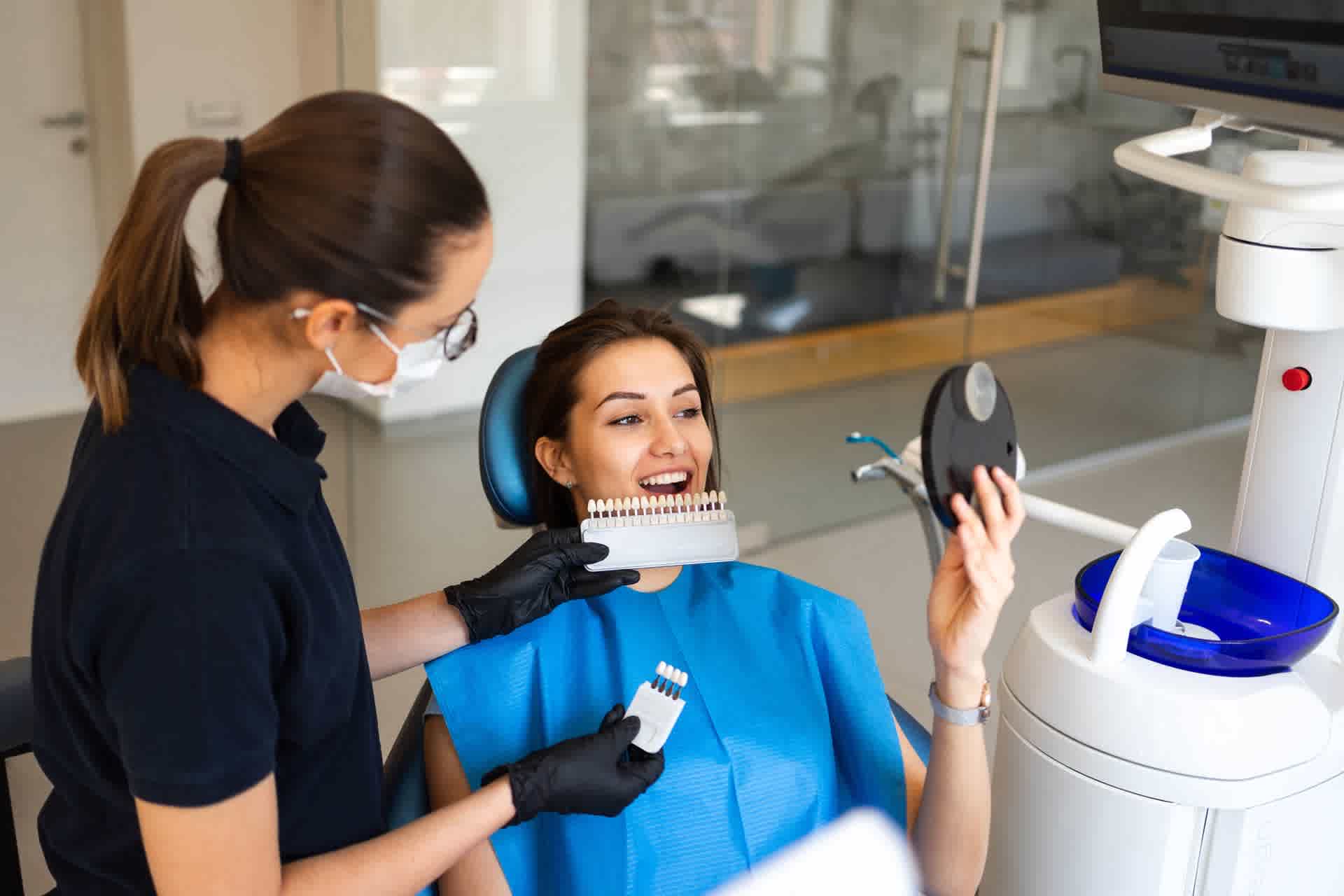
It also means the consultation conversation has changed. Instead of picking a shade from a chart, many dentists now talk through facial harmony, lip line, and how a change to one or two teeth affects the whole smile. A personalised treatment plan, built around your specific teeth and goals rather than a standard package, is a good sign that this is being approached properly.
How Has Digital Smile Design Changed the Consultation Process?
Digital smile design lets patients see a simulated preview of potential changes to their teeth before any treatment begins, using intraoral scans and imaging software rather than physical moulds. For many patients, this has replaced the older process of guessing what veneers or whitening might look like from photos alone.
The appeal is straightforward: instead of committing to a treatment plan based on a verbal description, you can see a digital mock-up of your smile and discuss adjustments before anything is finalised. It also gives your dentist a more precise reference point when planning shape, length, and proportion changes across multiple teeth.
That said, a digital preview is a planning tool, not a guarantee of the final result. Actual outcomes depend on factors like tooth structure, gum health, and how your mouth responds to treatment, which is why an in-person assessment still matters. If you’re comparing providers, it’s reasonable to ask whether a dentist in Lower Hutt offers this kind of digital preview as part of a standard consultation.
What’s Changed With Whitening and Bonding Techniques?
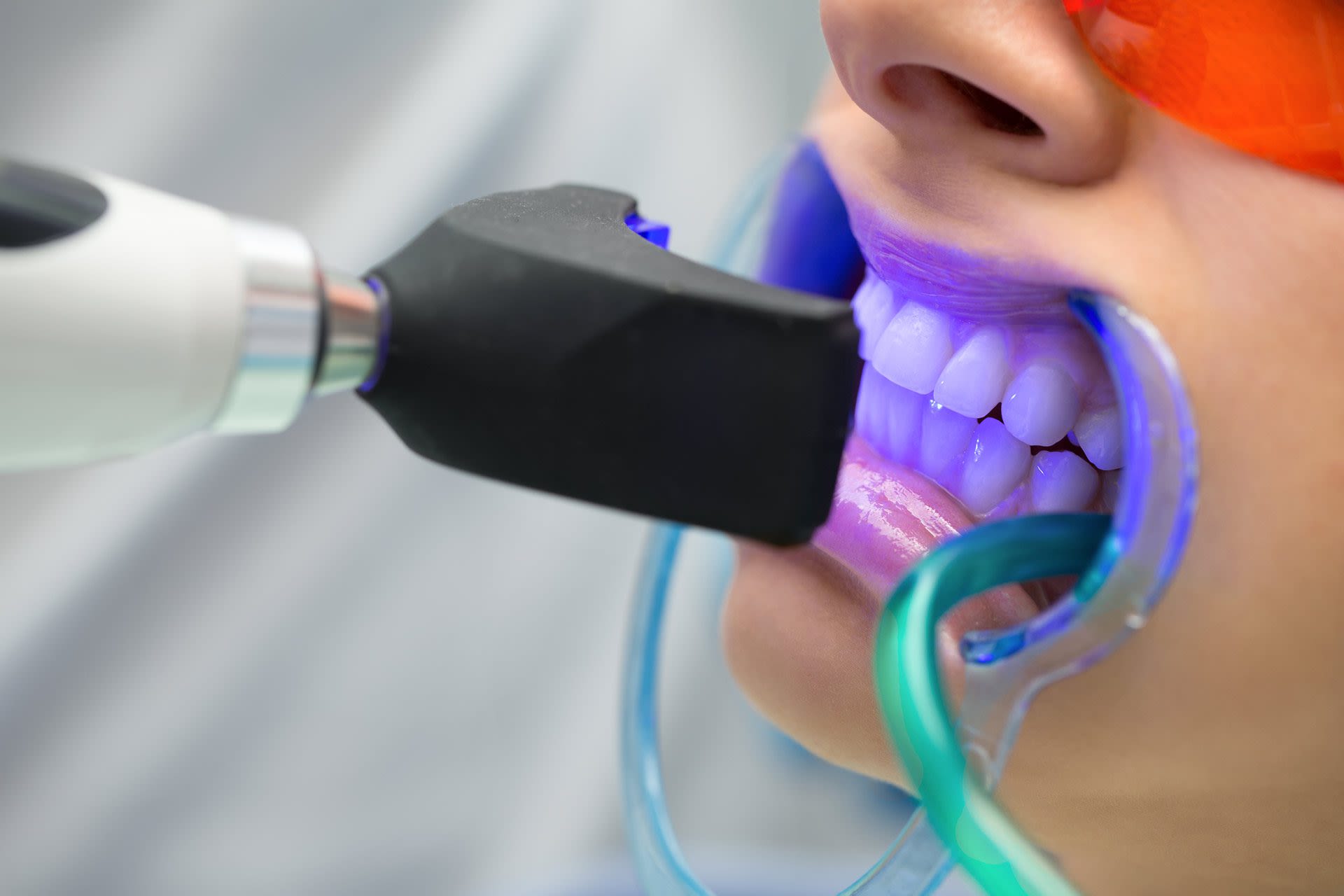
Teeth whitening and composite bonding remain two of the most requested cosmetic treatments, but the techniques behind them have become more conservative. Newer whitening systems are generally formulated to reduce sensitivity, and many practices now tailor concentration and timing to the individual rather than using a single standard protocol.
Composite bonding has also evolved. Where older bonding techniques sometimes required more shaping of the natural tooth, newer approaches use refined resin materials designed to bond closely to existing tooth structure, which can mean less preparation is needed for smaller cosmetic corrections like chips or gaps.
As with any cosmetic treatment, results and longevity vary from patient to patient depending on habits like diet, oral hygiene, and grinding.
It’s worth asking any provider what whitening system or bonding material they use and why, since not all products are suited to every patient, for example, existing fillings or crowns don’t whiten the same way as natural enamel, which can affect the overall result if it isn’t planned for in advance.
Why Are Clear Aligners Still a Common Question in 2026?
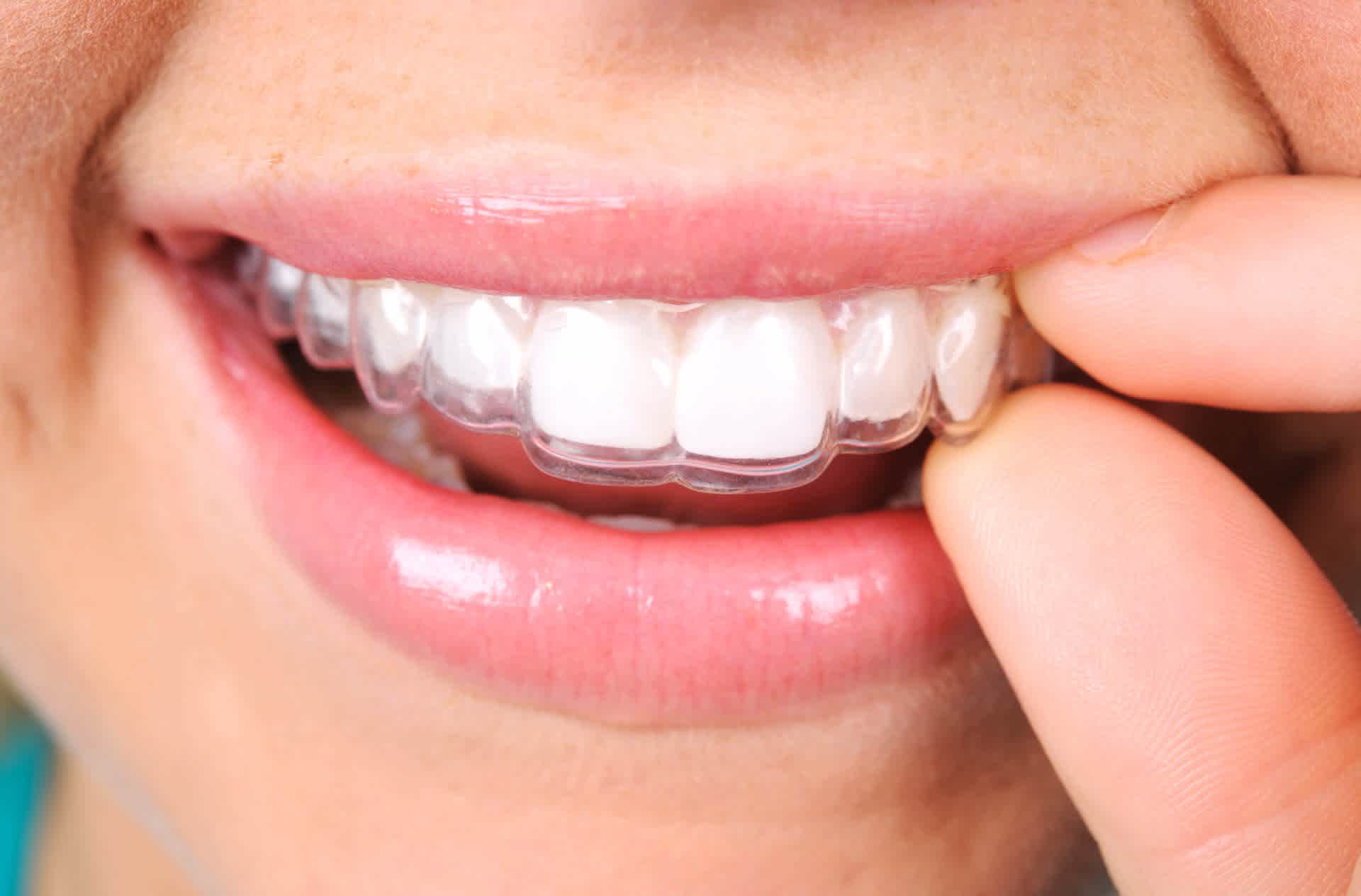
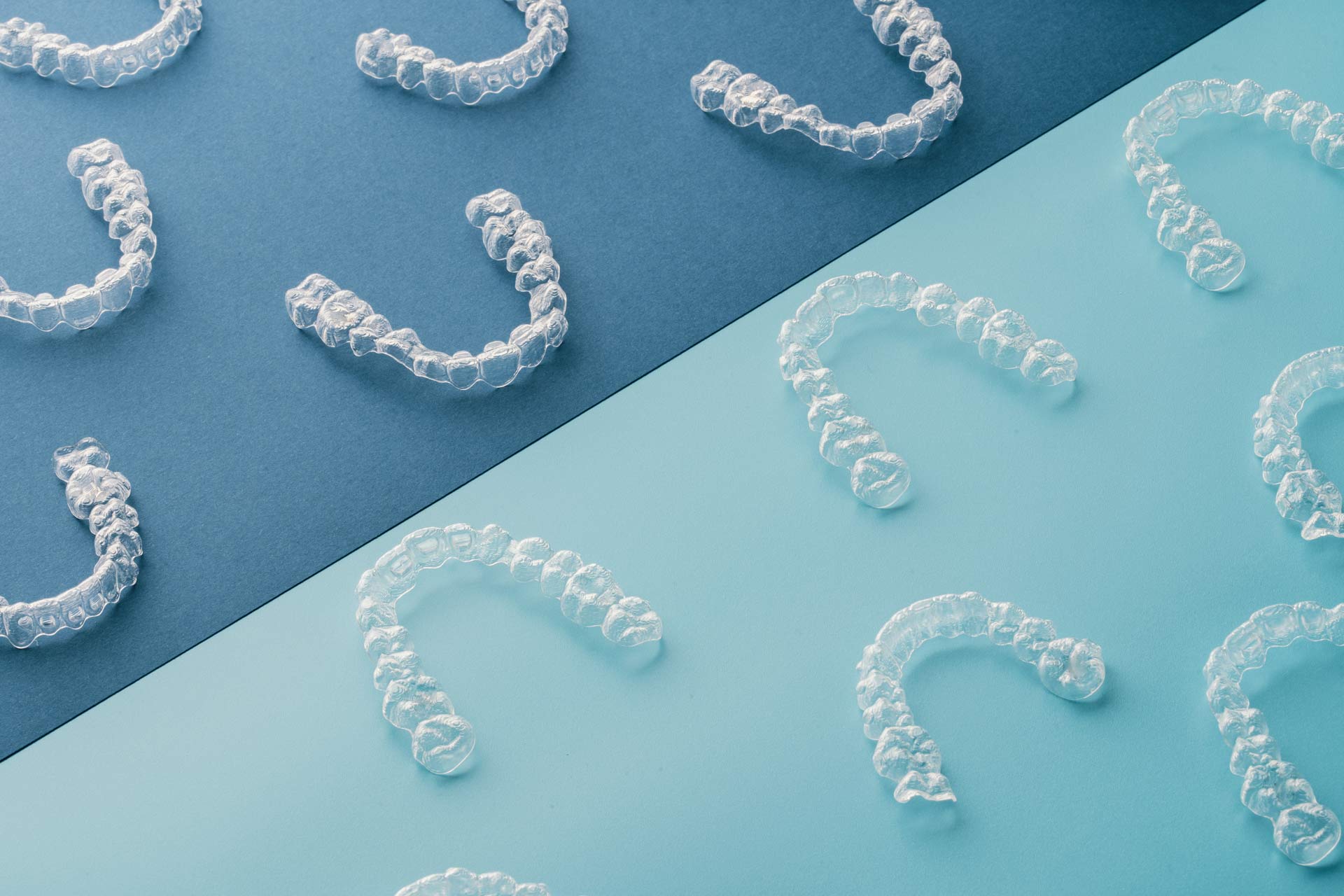
Clear aligners continue to come up in cosmetic consultations, largely because newer aligner systems are more comfortable and easier to fit around daily life than earlier versions. Many systems now also include app-based tracking, which lets patients and dentists monitor progress between in-person check-ins.
This doesn’t replace regular dental review, aligner treatment still needs to be monitored by a dentist to check that teeth are moving as planned and that the aligners still fit correctly. Progress-tracking apps are a helpful addition to that process, not a substitute for it, particularly for cases involving more complex movement.
For patients weighing aligners against other options, the right choice usually comes down to what’s being corrected, how much movement is needed, and personal preferences around visibility and maintenance during treatment.
What Should You Ask Before Starting Cosmetic Treatment?
With more options available than ever, the most useful thing a patient can do in 2026 is ask specific questions before committing to a treatment plan, rather than choosing based on trends alone. Ask what the recommended treatment involves step by step, what materials or technology will be used, and what a realistic outcome looks like for your particular teeth.
It’s also reasonable to ask about the practical side: how many visits are involved, what aftercare is required, and how the practice handles adjustments if something needs revisiting. Naenae Dental Clinic works through these questions as part of a standard consultation, so patients have a clear picture of what a treatment plan involves before deciding whether to proceed.
As with any area of healthcare, cosmetic dentistry covers a broad range of procedures with different levels of complexity, cost, and maintenance, so a treatment that suits one patient’s teeth and goals may not suit another’s, even if the trend is the same.
Finally, the Dental Council of New Zealand is the body that maintains dentist registration, so it’s worth confirming that whoever you’re seeing is registered and holds a current Annual Practising Certificate, a simple check that applies regardless of which cosmetic trend you’re interested in.
Frequently Asked Questions
Are these cosmetic dentistry trends suitable for everyone?
Not necessarily. Suitability depends on factors like the current condition of your teeth and gums, your oral health history, and your specific goals, which is why a proper consultation matters more than following a trend on its own.
Is digital smile design available at every dental practice?
Not every practice offers it, since it depends on the imaging and scanning technology available. It’s a reasonable question to ask when booking a cosmetic consultation.
Do natural-looking veneers cost more than traditional veneers?
Cost depends on the materials, the number of teeth involved, and the individual treatment plan, so this varies by case and is best discussed directly with your dentist.
How long do modern whitening results typically last?
This varies from person to person depending on diet, habits like smoking, and oral hygiene, so there’s no fixed timeframe that applies to everyone.
Do clear aligners work as well as traditional braces for cosmetic changes?
It depends on what’s being corrected. Aligners suit many cosmetic cases well, but more complex tooth movement may still be better suited to other orthodontic options, which your dentist in Lower Hutt can assess.
Conclusion
Cosmetic dentistry in 2026 is less about chasing a single trend and more about finding an approach that suits your own teeth, whether that’s natural-looking veneers, digital smile previews, conservative whitening, or clear aligners with app-based tracking.
Technology has made planning more predictable and given patients a clearer idea of what to expect before committing to treatment, but individual assessment still matters more than any trend on its own. The most useful thing you can do before starting is ask specific questions about materials, timelines, and realistic outcomes for your particular teeth.
If you’re curious about cosmetic dentistry in Lower Hutt and which of these options might suit you, the team at Naenae Dental Clinic can walk you through your choices as part of a standard consultation.
Sources:
- Dental Council of New Zealand – Advanced & New Areas of Practice
https://dcnz.org.nz/assets/Uploads/Resources/Practitioner-communication-advanced-areas-of-practice-Updated-June2023.pdf - Dental Council of New Zealand – Advertising Practice Standard
https://dcnz.org.nz/assets/Uploads/Practice-standards/Advertising-practice-standard-1September-2020.pdf - Dental Council of New Zealand – Standards Framework
https://dcnz.org.nz/i-practise-in-new-zealand/standards-framework - Dental Council of New Zealand – Guidance & Principles
https://dcnz.org.nz/resources-and-publications/resources/guidance