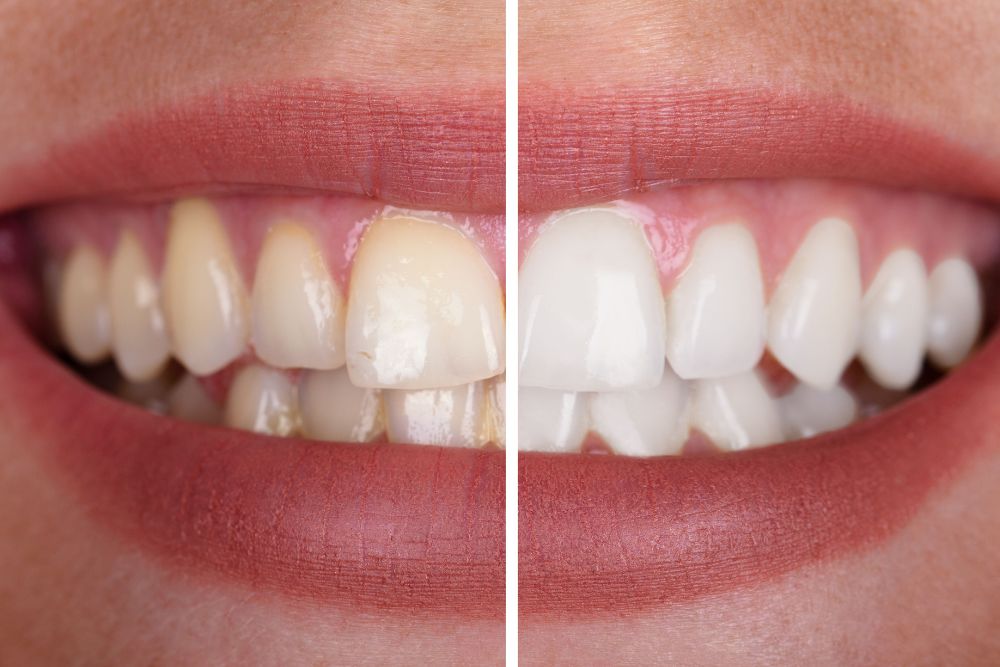

Teeth whitening is one of the most searched cosmetic dental topics in New Zealand, and it’s also one of the most misunderstood. Between social media trends, well-meaning advice from friends, and marketing claims from over-the-counter brands, it’s easy to end up believing things about teeth whitening in Lower Hutt that don’t hold up to a dentist’s scrutiny. Some of these myths are harmless.
Others can lead people to damage their enamel, waste money on ineffective products, or delay a proper conversation with a dental professional before trying something that isn’t right for their teeth.
This guide breaks down the most common teeth whitening myths circulating in 2026, explains what’s actually true according to current dental guidance, and outlines what’s worth asking before trying any whitening method, whether that’s a professional treatment or an at-home kit. By the end, you’ll have a clearer sense of which claims are worth believing and which ones are better left as marketing.
At a Glance
- Whitening generally does not damage healthy enamel when carried out correctly by a trained professional.
- Not all whitening products are formulated, tested, or regulated the same way.
- Whitening results are not permanent and fade with normal exposure to food and drink.
- DIY kits and professional treatments are not interchangeable in strength or oversight.
- Crowns, veneers, and fillings do not whiten the same way as natural enamel.
Does Teeth Whitening Damage Your Tooth Enamel?
This is one of the most persistent myths in cosmetic dentistry, and it isn’t accurate when whitening is carried out correctly. Professionally supervised teeth whitening in Lower Hutt typically uses concentrations and application times designed to work with enamel rather than strip it. Enamel irritation is far more likely to come from misusing whitening products, leaving strips on too long, or using abrasive whitening toothpaste daily, than from a treatment supervised by a dentist.
What whitening does temporarily is make enamel slightly more porous, which is why dentists often recommend avoiding staining foods and drinks like coffee, red wine, and turmeric-based dishes for a day or two afterwards. This isn’t permanent damage, it’s a short window where enamel is more receptive to picking up new stains, not weaker or thinner than before.
Do All Whitening Products Work the Same Way?
Not all whitening products use the same ingredients, concentrations, or delivery methods, and this is where a lot of disappointment comes from. Over-the-counter strips, whitening toothpaste, and professional treatments each work differently , some rely on mild abrasives that only lift surface stains, while others use peroxide-based gels that lighten the tooth from within.
This matters because a product that suits one person’s teeth may not suit another’s, particularly for people with sensitive teeth, thin enamel, or several fillings and crowns. The Dental Council of New Zealand’s practitioner standards require registered dentists to use products and concentrations appropriate to the individual patient, which is one reason professional oversight matters for anything beyond basic surface staining.
Are Teeth Whitening Results Permanent?
Whitening is not a one-time, permanent fix, no matter which method is used. Results typically last anywhere from several months to a couple of years, depending on diet, oral hygiene, and habits like smoking.
Teeth naturally continue to absorb stains from everyday food and drink after treatment, which is why many people choose periodic top-ups rather than expecting a single session to last indefinitely. This isn’t a shortfall of the treatment , it’s simply how enamel behaves over time.
If you’re weighing up how often top-ups are realistically needed, it’s worth asking a dentist in Lower Hutt what timeline to expect based on your own diet and habits, rather than relying on a generic claim printed on a product box.
Are DIY Whitening Kits Just as Effective as Professional Whitening?
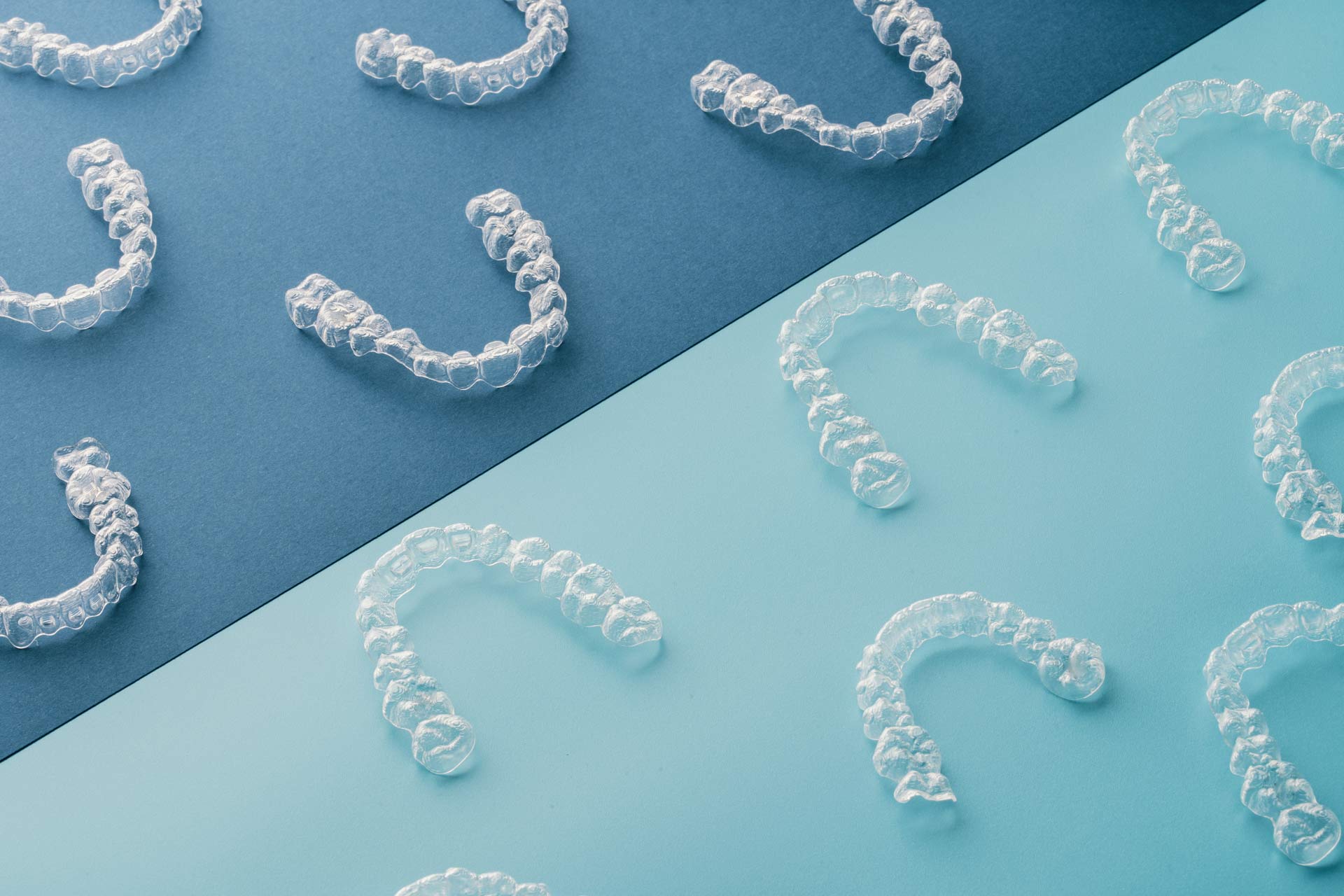
DIY whitening kits can lighten teeth to some degree, but they’re generally not equivalent to professional treatment in strength, consistency, or safety oversight. Store-bought kits often use lower concentrations of whitening agent alongside a one-size-fits-all tray or strip that doesn’t account for individual tooth shape or gum sensitivity.
Professional whitening typically starts with a dentist assessing your teeth and gums, which reduces the risk of uneven results, gum irritation, or whitening teeth that aren’t actually suited to it , such as those affected by decay or existing dental work that hasn’t been addressed first.
Does Whitening Work on Crowns, Veneers, and Fillings?
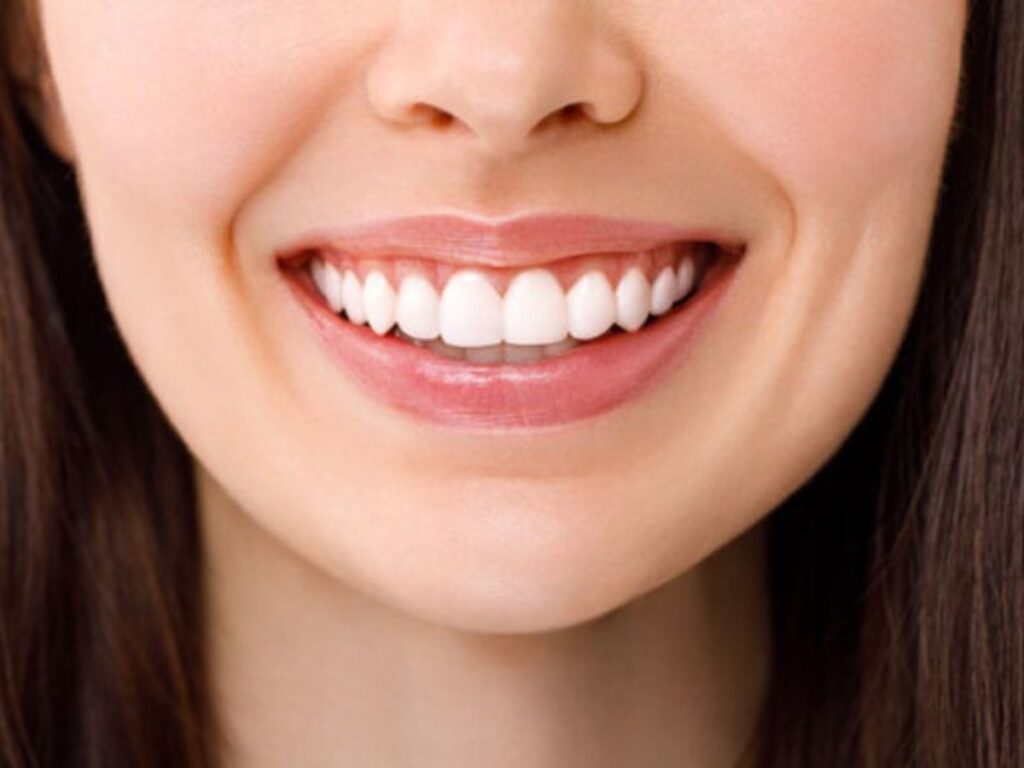
Whitening products only work on natural tooth enamel, so crowns, veneers, bonding, and fillings won’t lighten along with the rest of your teeth. This is one of the more common surprises patients run into after a whitening treatment.
If you have visible dental work, it’s worth discussing your whitening goals with a dentist beforehand, since existing restorations may need to be matched to your new shade, or your shade goal may need adjusting slightly to keep everything looking even and natural.
What Should You Do Instead of Following Whitening Trends?
The safest way to avoid these myths is to start with a proper assessment rather than a product recommendation from social media. Naenae Dental Clinic works through your oral health history, current shade, and any existing restorations before recommending a whitening approach, so you’re not guessing which method actually suits your teeth.
If you’re comparing options, ask specifically what concentration is used, how long results typically last for your habits, and whether your teeth are actually suited to whitening at all. A dentist offering teeth whitening can walk you through these details as part of a standard consultation, before any treatment begins.
Why Does a Proper Consultation Matter More Than a Trend?
Whitening trends move quickly, but the underlying biology of tooth enamel and staining doesn’t change from year to year. According to the New Zealand Dental Association, the tooth whitening process works by using chemical agents to alter how enamel and dentine reflect light; it doesn’t remove or rebuild tooth structure, which is part of why results are temporary and why misuse tends to affect sensitivity rather than strength.
Before starting any whitening product, it’s worth a quick check-in with a dentist in Lower Hutt to confirm your teeth and gums are in good shape for it, and that the method you’re considering actually matches your goals.
Frequently Asked Questions
Does teeth whitening weaken your teeth?
Not typically. When whitening is carried out correctly by a professional, it isn’t expected to weaken healthy enamel, though some people experience temporary sensitivity that usually settles within a few days.
How long does professional whitening last?
This varies from person to person, but results commonly last several months to a couple of years depending on diet, oral hygiene, and habits like smoking.
Can I whiten my teeth if I have crowns or veneers?
Whitening only affects natural enamel, so crowns, veneers, and fillings won’t change shade along with your natural teeth. It’s best to discuss this with a dentist before starting treatment.
Are DIY whitening kits safe to use?
Some are reasonably safe when used exactly as directed, but they’re not equivalent to professional treatment in strength or oversight. A dental check beforehand can help avoid uneven results or irritation.
Is whitening suitable for everyone?
Not necessarily. Suitability depends on the condition of your teeth, gums, and any existing dental work, which is why a consultation matters more than following a trend.
Conclusion
Most teeth whitening myths come from mixing up different products, ignoring individual differences in teeth and gums, or trusting marketing claims over dental guidance. The reality is more straightforward: whitening doesn’t damage healthy enamel when done correctly, results fade over time rather than lasting forever, and not every product or method suits every patient.
Crowns, veneers, and fillings won’t respond the same way as natural enamel, and DIY kits aren’t a direct substitute for professional treatment. The safest way to cut through the noise is a proper consultation rather than following whatever’s trending.
If you’re considering teeth whitening in Lower Hutt and want a realistic picture of what to expect for your own teeth, the team at Naenae Dental Clinic can talk you through your options.
Sources:
- New Zealand Dental Association (NZDA) , Tooth Whitening: https://www.nzda.org.nz/public/your-oral-health/tooth-whitening
- Auckland Dental Association (ADA) – Tooth Whitening: https://www.ada.co.nz/how-we-can-help/abc-of-dental-questions/38-teeth-whitening
Dental Protection New Zealand – Legal & Regulatory Regulations on Tooth Whitening: https://www.dentalprotection.org/new-zealand/riskwiseplus/categories/in-conversation-with/tooth-whitening - American Dental Association (ADA) – Teeth Whitening Safety & Guidelines: https://adanews.ada.org/huddles/diving-into-teeth-whitening-options/