
A dental crown is one of the most versatile restorations in dentistry, and when it is made well and properly maintained, it can protect a tooth for a very long time. But not all crowns are equal, and understanding what distinguishes a quality crown from an average one is worth knowing before you begin treatment.
This guide covers how a dental crown works to protect your tooth, what factors influence how long it lasts, and what you can do to get the most out of your restoration. Whether you are facing your first crown or replacing an older one, the information here will help you make a more informed decision.
At Naenae Dental Clinic in Wellington, the team uses computer-aided design technology and works with skilled dental technicians to create crowns that fit precisely and are designed to last.
What Does a Crown Actually Do?
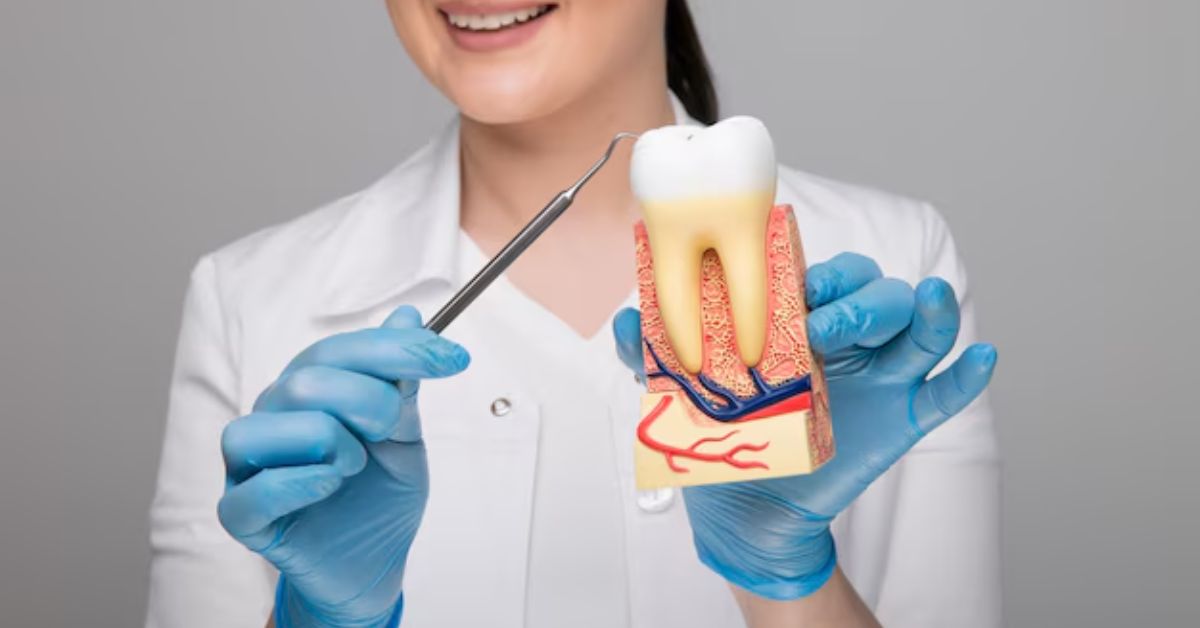
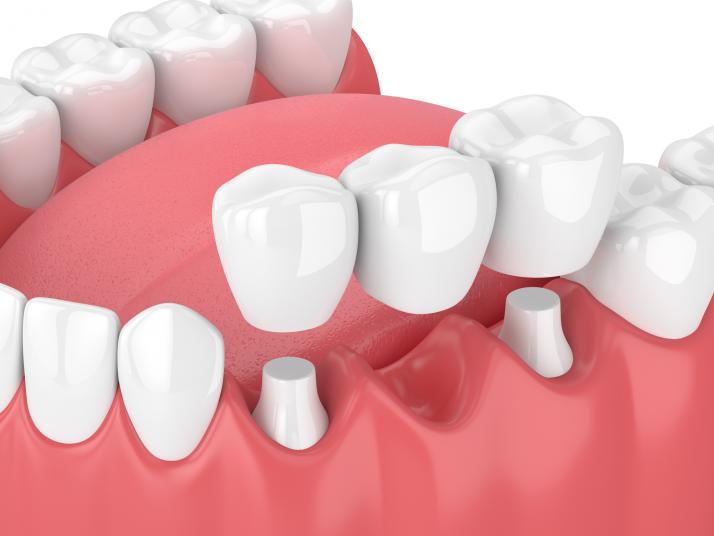
A dental crown in Lower Hutt is a custom-made cap that fits over a prepared natural tooth, covering it completely down to the gum line. It restores the tooth’s shape, size, and strength, and protects what remains of the underlying tooth structure from further damage.
Think of it as armour for a compromised tooth. Whether the tooth has been cracked, severely decayed, significantly worn, weakened after root canal treatment, or broken down by a large failing filling, a crown redistributes the forces of biting and chewing across the whole restoration. Rather than concentrating stress on the vulnerable natural tooth beneath, those forces are spread more evenly, reducing the risk of further fracture or breakdown.
A well-fitted crown also seals the margin where it meets the natural tooth at or just below the gum line. This seal is important. It reduces the risk of bacteria accessing the tooth underneath, which is one of the key ways a quality dental crown in Lower Hutt contributes to long-term tooth preservation. Without that seal, even a structurally sound crown can allow decay to develop quietly beneath it over time.
What Makes a Crown High Quality?
Not every crown delivers the same level of protection or longevity. Several factors separate a high-quality crown from a standard one, and they are worth understanding before treatment begins.
Precise fit at the margin is one of the most clinically important aspects of crown quality. The margin is the edge where the crown meets the natural tooth, typically sitting at or just below the gum line. A well-sealed margin prevents bacteria from seeping underneath and causing decay to the tooth structure below. A poorly fitted margin is one of the most common reasons crowns develop problems or need to be replaced earlier than expected.
Material choice plays a significant role in both durability and appearance. Modern crown materials include zirconia, all-ceramic, and porcelain-fused-to-metal options. Zirconia in particular has become widely used due to its combination of strength and tooth-coloured appearance. The right material for any given crown depends on the location of the tooth, the forces it needs to withstand, and the aesthetic outcome required. A molar that bears heavy chewing load has different requirements from a front tooth where appearance is the priority.
Digital design and fabrication have improved crown accuracy considerably. At Naenae Dental Clinic, computer-aided design technology is used to assess the patient’s natural bite and tooth orientation, ensuring that the crown fits accurately within the existing bite. This precision reduces the risk of bite imbalances that can cause premature wear, discomfort, or stress on adjacent teeth over time.
Skilled clinical preparation underpins everything else. The way the natural tooth is shaped before the crown is fitted has a direct effect on how well the final restoration fits and how long it performs well. The amount of tooth structure removed, the shape of the preparation, and the accuracy of the impressions or digital scans all feed into the quality of the finished crown. A poorly prepared tooth makes it very difficult for even the best laboratory to produce an ideal result.
How Long Can a Crown Last?
With good oral hygiene and regular dental check-ups, a high-quality dental crown can last for many years and in some cases, several decades. The longevity of a crown is influenced by a combination of clinical and lifestyle factors.
The quality of the material and the precision of the fit are foundational. Beyond that, the location of the tooth matters because back teeth experience significantly more chewing force and may show wear sooner than front teeth. Whether the patient grinds or clenches their teeth is one of the most significant variables. Bruxism places repeated and excessive force on crowns and can shorten their lifespan considerably if not managed.
Oral hygiene habits, particularly how well the area around the gum margin of the crown is cleaned, affect how the underlying tooth and surrounding gum tissue hold up over time. And regular visits to your dentist in Lower Hutt allow any early changes to the crown or the tooth beneath it to be identified and addressed before they become larger problems.
It is worth noting that even when a crown itself remains structurally intact, the tooth beneath it can develop issues if the margin is compromised or if cleaning in that area is neglected. The crown protects the tooth, but it does not make the tooth invulnerable. Regular monitoring remains an important part of ensuring a crowned tooth stays healthy over the long term.

Caring for a Crown to Maximise Its Lifespan
A crown cannot develop decay itself, but the tooth underneath it and the surrounding gum tissue still require consistent, careful care. The habits that protect natural teeth also protect crowned teeth.
Brushing carefully along the gum line where the crown meets the tooth helps keep the margin clean and reduces the risk of decay developing in that area. Flossing daily around crown margins is equally important, as this is an area where plaque can accumulate if not routinely cleared.
If you grind or clench your teeth, wearing a night guard is one of the most effective steps you can take to protect both crowns and natural teeth. The force generated during grinding can be significant, and a well-fitted night guard distributes that force more safely and reduces wear on restorations.
Avoiding biting directly on very hard objects such as ice, hard sweets, or hard crusts helps reduce the risk of chipping or cracking the crown material. And attending regular dental check-ups ensures that any early signs of wear, margin changes, or issues with the underlying tooth are caught and managed promptly.
Frequently Asked Questions
How do I know if I need a crown or just a filling?
A filling is generally appropriate when enough healthy tooth structure remains to support it reliably. A crown is typically recommended when the tooth is cracked, broken, or significantly weakened, or when there is insufficient tooth structure remaining to hold a filling over the long term. In some cases a large existing filling has failed or caused the surrounding tooth to fracture, making a crown the more appropriate solution. Your dentist will assess the tooth carefully and recommend the option that gives it the best long-term outcome.
Can a crowned tooth still develop problems?
Yes. The crown material itself cannot decay, but the natural tooth underneath remains vulnerable if bacteria gain access through a compromised margin or through the gum tissue. Decay at the margin, gum disease, and root problems can all affect a crowned tooth over time. This is why routine dental monitoring remains important even after a crown is fitted. The crown provides protection, but it does not eliminate the need for ongoing care.
Does getting a crown hurt?
Crown preparation is carried out under local anaesthetic, so the procedure itself should be comfortable. Some sensitivity around the prepared tooth and the surrounding gum tissue in the days following the appointment is normal and generally settles on its own. Your dental team will explain what to expect and advise you on managing any temporary discomfort during the settling-in period.
Is a more expensive crown always better?
Cost alone is not a reliable measure of quality. What matters most is the accuracy of the fit, the suitability of the material for that specific tooth, and the skill of both the clinical team and the dental laboratory producing the restoration. A well-designed, precisely fitted dental crown in an appropriate material will serve you far better than a costly one that is not well matched to your clinical needs. Ask your dentist about the materials and process being used rather than focusing solely on price.
Conclusion
A high-quality dental crown is one of the most durable and protective restorations available when a tooth has been significantly compromised. Fitted with precision, made from an appropriate material, and maintained with consistent care, it can protect the underlying tooth structure for many years and allow you to eat, speak, and smile with confidence.
If you have a tooth that may need a crown and you are based in the Wellington region, the team at Naenae Dental Clinic can assess your situation and help you understand your options clearly. A consultation is the straightforward starting point.
Source Urls: