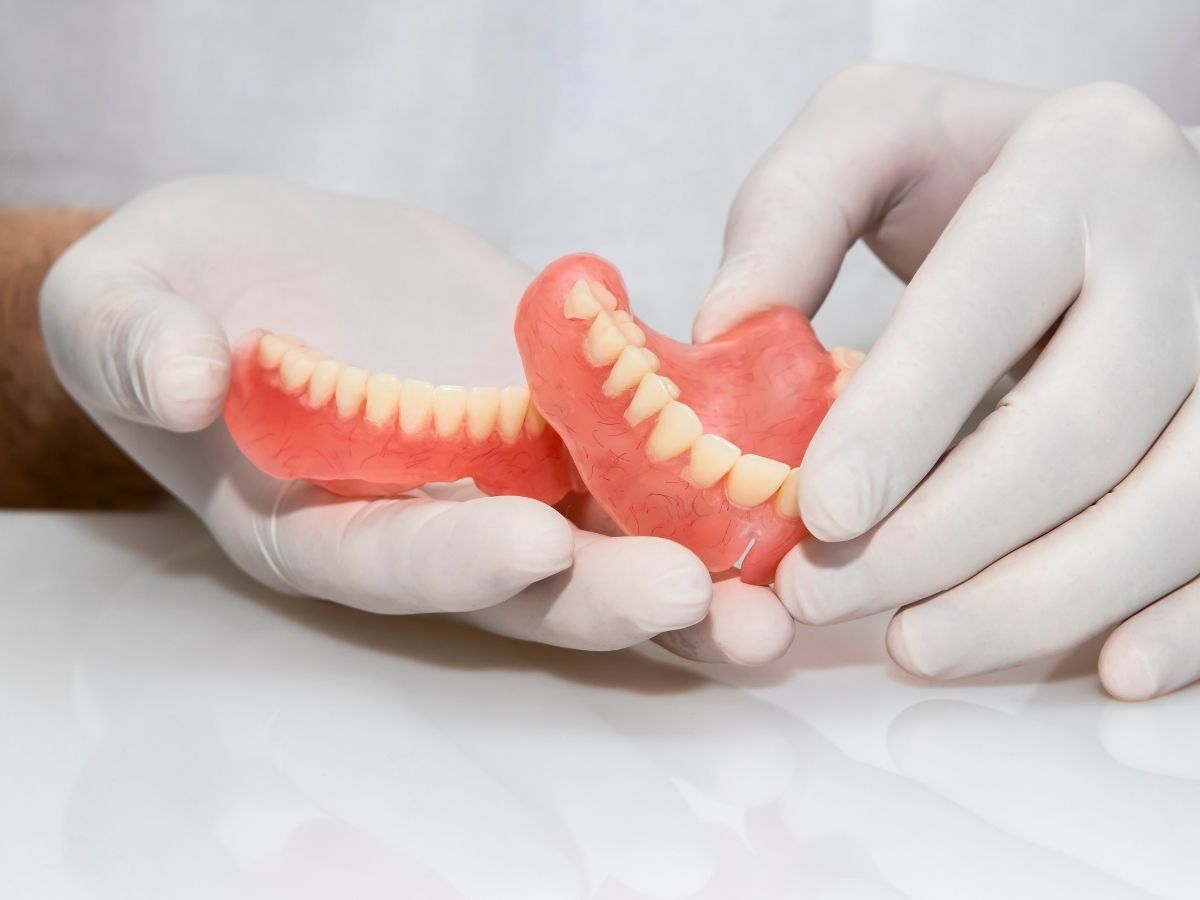
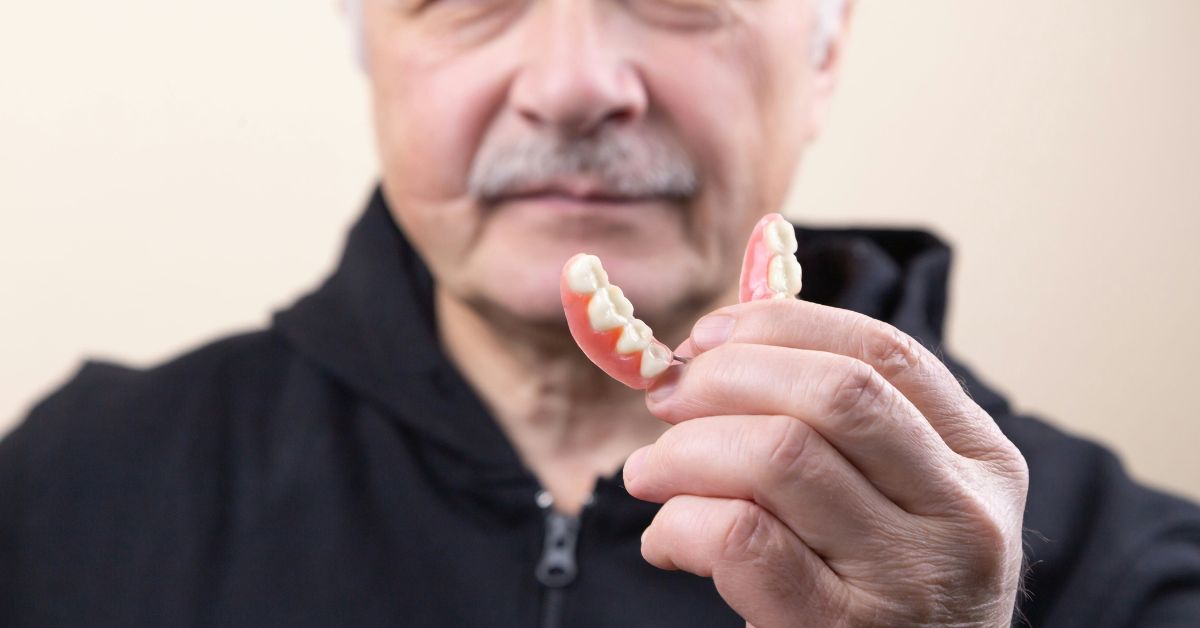

Getting new dentures is a significant step towards restoring your smile and confidence. But many people are surprised to find that their new dentures feel odd, uncomfortable, or even difficult to manage in the first few weeks. If you’ve recently received dentures in Lower Hutt or are preparing to know what to expect can make the adjustment period much easier to handle.
The truth is, a period of adjustment is completely normal. Your mouth, muscles, and brain all need time to adapt to a new dental appliance. Understanding why dentures feel strange, and how long it typically takes to feel comfortable, helps reduce worry and supports a smoother transition.
This guide explains the most common sensations people experience with new dentures, why they happen, and practical tips that may help you adjust more comfortably over time.
Why Do New Dentures Feel So Different?
Your mouth is highly sensitive. It contains thousands of nerve endings that detect pressure, temperature, and movement. When dentures in Lower Hutt are placed in your mouth for the first time, your brain registers them as something foreign almost like a new object that doesn’t belong there.
This is a natural neurological response. Over time, as you wear your dentures daily, your brain gradually re-maps the sensation and begins to accept them as a normal part of your oral environment.
This process is sometimes called “oral adaptation,” and it varies from person to person. Some people adjust within a few weeks; for others, it may take a couple of months.
Common Sensations With New Dentures
Excess Saliva Production
One of the first things many people notice is an increase in saliva. Your salivary glands respond to the dentures as if they were food, triggering more saliva than usual.
This typically settles down within one to two weeks as your body adjusts. In the meantime, swallowing frequently can help manage the extra saliva.
A Feeling of Fullness or Bulk
Dentures take up space in your mouth that was previously empty especially if you’ve been missing teeth for some time. This can create a sensation of fullness, as though your mouth feels crowded.
Your cheeks, lips, and tongue will gradually learn to work around the dentures. Many people find this feeling reduces noticeably within the first few weeks of consistent wear.
Mild Soreness or Pressure Points
It’s common to experience some tenderness or soreness in the gums, particularly in areas where the denture base rests. This can happen because the gum tissue is adjusting to bearing new pressure from the appliance.
If soreness persists beyond a week or two, or if you notice specific spots that are consistently painful, it’s worth visiting your dental clinic in Lower Hutt. Minor adjustments to the fit can often resolve this quickly.
Difficulty Speaking Clearly
Some people notice that certain words or sounds are harder to pronounce when they first start wearing dentures. Letters like “s,” “f,” and “th” can be particularly tricky at first.
Reading aloud, practising common phrases, and speaking slowly can all help speed up the process. Most people find their speech returns to normal within a few weeks of regular wear.
Challenges With Eating
Chewing with dentures feels very different from chewing with natural teeth. Biting pressure is distributed differently, and the dentures may shift slightly when eating harder foods.
Starting with soft, easy-to-chew foods and cutting them into smaller pieces is a practical approach while you adjust. Gradually introducing firmer foods over time allows your muscles and dentures to work together more effectively.
How Long Does the Adjustment Period Last?
Most people begin to feel more comfortable with their dentures within four to eight weeks. However, the full adjustment including speaking naturally, eating a wider variety of foods, and feeling confident wearing them can take up to three to six months for some individuals.
Several factors can influence how quickly you adapt:
-
- Whether you’ve worn dentures before: first-time wearers typically take longer to adjust than those replacing existing dentures.
- The type of denture: full dentures generally require more adjustment than partial dentures.
- Individual sensitivity: some people have more sensitive gum tissue or a stronger gag reflex, which can extend the adaptation period.
- Consistency of wear: wearing your dentures daily, as recommended by your dental professional, supports faster adaptation.
Tips That May Help You Adjust More Comfortably
There are several practical steps that may support a smoother adjustment period:
Wear your dentures consistently. The more you wear them, the faster your mouth adapts. Removing them frequently can slow the process.
Start with soft foods. Yoghurt, scrambled eggs, mashed potato, and soft fish are all good options during the first few weeks. Avoid hard, sticky, or chewy foods until you feel more confident.
Practise speaking aloud. Reading a book or newspaper aloud for a few minutes each day can help retrain your speech patterns more quickly.
Use a denture adhesive if recommended. For some patients, a denture adhesive may provide additional stability during the early weeks. Speak to your dental professional about whether this is appropriate for your situation.
Attend all follow-up appointments. These visits allow your dental team to check the fit and make any necessary adjustments. Even small changes can significantly improve your comfort.
Frequently Asked Questions
Is it normal for dentures to feel loose at first?
Some movement is common when you first start wearing dentures, particularly full lower dentures, which have less natural suction than upper dentures. However, if your dentures feel excessively loose or are moving significantly while speaking or eating, it’s a good idea to speak with your dental professional. A relining or adjustment may be needed to improve the fit.
Can new dentures cause headaches or jaw pain?
Some people experience mild jaw fatigue or tension in the early weeks, particularly if the bite (occlusion) needs slight adjustment. Persistent jaw pain, headaches, or discomfort in the jaw joints should be discussed with your dental provider, as these may indicate the dentures need to be re-evaluated.
How do I clean my new dentures properly?
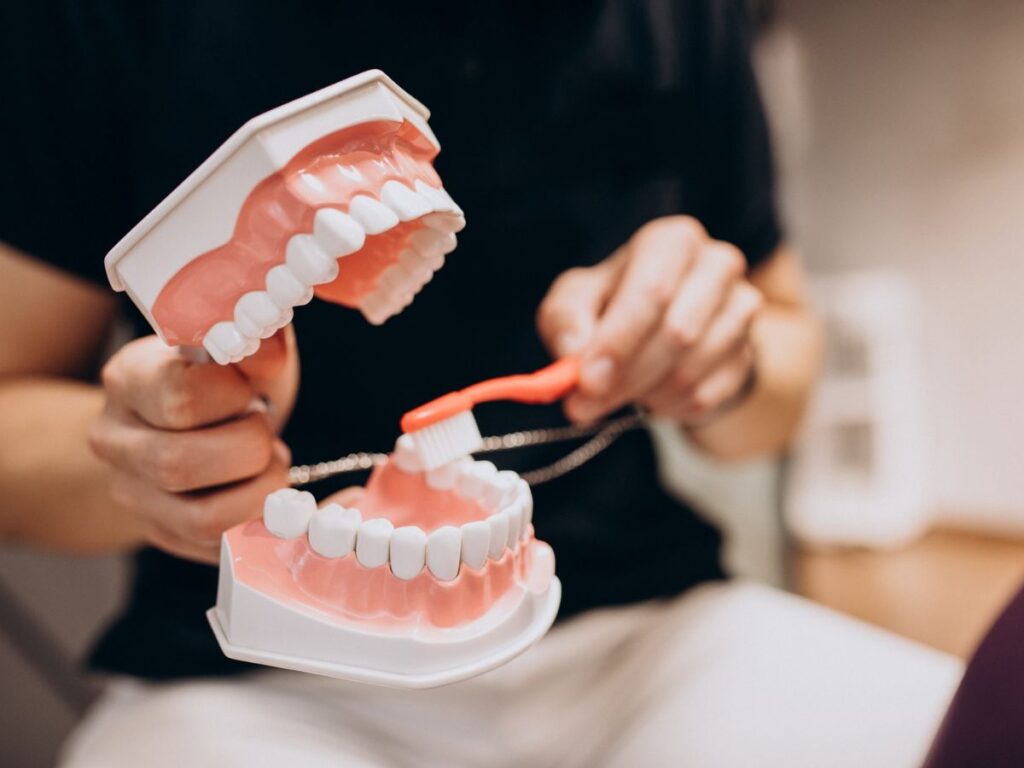
Dentures should be cleaned daily using a soft-bristle brush and a non-abrasive denture cleaner not regular toothpaste, which can be too abrasive. Soak them overnight in a denture solution or water, unless your dental professional has advised otherwise. Keeping your gums and any remaining natural teeth clean is equally important for your overall oral health.
When should I go back to the dentist after getting new dentures?
Most clinics will schedule a follow-up appointment within one to two weeks of fitting new dentures. Even if you’re feeling relatively comfortable, attending this appointment is worthwhile. It gives your dental professional the opportunity to check for pressure points, assess the fit, and make minor adjustments that can improve long-term comfort.
Conclusion
Adjusting to new dentures takes time, patience, and consistent wear. The strange sensations you experience in the first few weeks: excess saliva, a feeling of fullness, mild soreness, or changes in your speech are a normal part of the process. They don’t mean something has gone wrong; they simply reflect how your body adapts to something new.
If you’re going through this adjustment period or are considering dentures in Lower Hutt, the team at Naenae Dental Clinic is here to help. From the initial fitting to follow-up care, having professional support throughout the process can make a meaningful difference to your comfort and confidence.
If you have concerns about how your dentures feel, don’t hesitate to reach out early adjustments are simple and can save a great deal of discomfort down the track.
Sources: