
A missing tooth can make chewing harder, affect the way you speak, and allow nearby teeth to drift into the gap over time. Some people also notice small changes in their bite or feel self-conscious when they smile.
A dental bridge is a common way to fill that space, but not all bridges are the same. The main types of dental bridges are traditional, cantilever, Maryland, and implant-supported, and each one is held in place in a different way.
Choosing between them depends on where the gap is, how healthy your surrounding teeth are, and the condition of your jawbone and gums. Your dentist will also consider your bite, your oral hygiene habits, and how many teeth need replacing.
In this guide, you will learn how each type of dental bridge works, which situations it suits, how the treatment process usually unfolds, and what questions to ask your dentist before deciding.
At a Glance
- A dental bridge is a fixed restoration that replaces one or more missing teeth by joining an artificial tooth to nearby supports.
- The four main types of dental bridges are traditional, cantilever, Maryland, and implant-supported.
- The biggest difference between them is what holds the bridge in place: natural teeth, a single tooth, a bonded framework, or dental implants.
- The right choice depends on your bite, gum health, bone levels, and the location of the gap.
What Is a Dental Bridge?
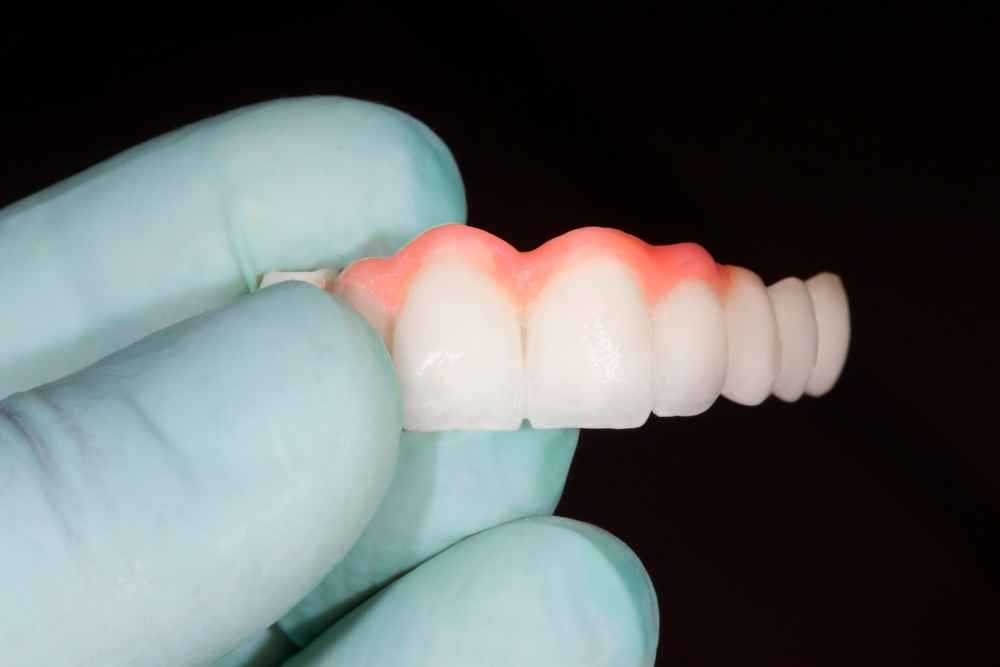
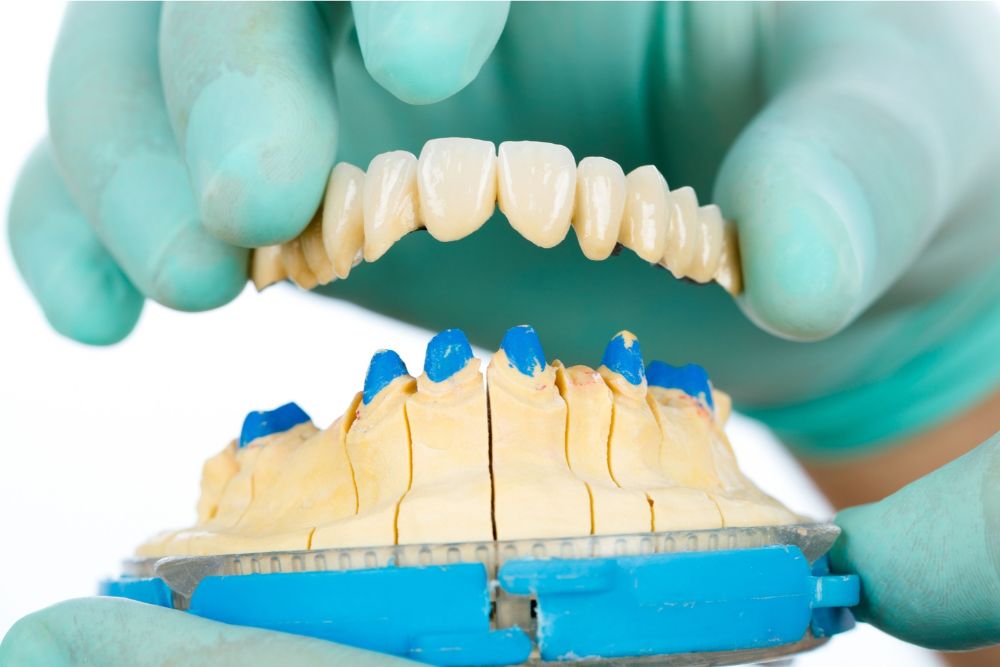
A dental bridge is a fixed dental restoration that fills a gap left by one or more missing teeth. It uses an artificial tooth, called a pontic, which is held in place by supports on one or both sides.
The American Dental Association describes a bridge as a fixed partial denture that literally spans the space where teeth used to be. Patients looking into dental bridges in Lower Hutt often compare them with dental implants, and the two can even work together. Bridges can be made from porcelain, zirconia, metal alloys, or a combination, depending on strength and appearance needs.
What Are the Four Main Types of Dental Bridges?
The four main types of dental bridges are traditional bridges, cantilever bridges, Maryland bridges, and implant-supported bridges. They differ in how they are anchored and which situations they suit.
Traditional Dental Bridge
A traditional dental bridge is one of the most widely used types. It uses one or more pontics held between two dental crowns, which are placed over the natural teeth on either side of the gap. These supporting teeth are called abutment teeth.
To fit the crowns, these teeth are reshaped by removing a thin layer of enamel, which is a permanent change. This type of bridge is strong and can handle heavy chewing forces, so it is often used for back teeth.
Cantilever Dental Bridge
A cantilever bridge is supported by a crown on only one side of the gap. It is used when there is a healthy tooth on just one side of the missing space.
Because all the support comes from one side, cantilever bridges are usually placed in areas with lighter biting forces, such as some front teeth. In the back of the mouth, the extra pressure on one tooth can increase the risk of damage.
Maryland Dental Bridge
A Maryland bridge, also called a resin-bonded bridge, uses a thin metal or porcelain wing bonded to the back of the neighbouring teeth instead of full crowns. This means far less of the natural tooth needs to be reshaped.
Maryland bridges are often used to replace front teeth, where chewing forces are lower. The bonded wings can sometimes come loose and may need re-bonding.
Implant-Supported Dental Bridge
An implant-supported bridge is held in place by dental implants rather than natural teeth. Small titanium or zirconia posts are placed in the jawbone, and the bridge is attached to them once they have healed.
This type is often recommended when three or more teeth in a row are missing, or when the nearby teeth are not strong enough to act as supports. For patients considering dental bridges in Lower Hutt, an implant bridge can replace several teeth without needing an implant for every single one.
How Do the Types of Dental Bridges Compare?
The types of dental bridges mainly differ in support, tooth preparation, and strength.
- Traditional bridge: supported by crowns on both sides; strong; requires reshaping of two teeth.
- Cantilever bridge: supported on one side only; suited to low-pressure areas; requires reshaping of one tooth.
- Maryland bridge: bonded wings on neighbouring teeth; minimal reshaping; often used for front teeth.
- Implant-supported bridge: anchored by implants in the jawbone; no reliance on natural teeth; requires surgery and healing time.
At Naenae Dental Clinic, our team talks patients through these differences using digital X-rays and photos, so you can clearly see what is happening in your own mouth. A dental clinic in Lower Hutt can also explain how your bite and gum health may affect each option, since outcomes vary from person to person.

How Does a Dentist Choose the Right Bridge for You?
A dentist chooses the right bridge by assessing the health of your surrounding teeth, gums, and jawbone, the size and location of the gap, and the forces of your bite.
During your assessment, your dentist will usually check for gum disease, tooth decay, and bone levels. If the neighbouring teeth are healthy and untouched, a Maryland bridge or an implant-supported option may be considered to protect natural tooth structure. If those teeth are already heavily filled, a traditional bridge may make more sense.
Seeing a dentist in Lower Hutt for a full examination is a useful step toward a personalised treatment plan rather than a one-size-fits-all answer.
What Is the Process of Getting a Dental Bridge?
Getting a traditional, cantilever, or Maryland bridge usually takes two to three appointments over a few weeks. Implant-supported bridges take longer, often several months, because the implants need time to bond with the jawbone.
- Assessment and planning: your dentist examines your teeth, takes X-rays, and discusses suitable options.
- Tooth preparation: the supporting teeth are shaped under local anaesthetic, or implants are placed for an implant bridge.
- Impressions or digital scans: a precise model of your teeth is created so the bridge fits your bite.
- Temporary bridge: a temporary restoration may protect the area while the final bridge is made.
- Fitting: the final bridge is checked for fit, colour, and comfort, then cemented or secured in place.
How Can You Care for a Dental Bridge?
You can care for a dental bridge by brushing twice a day with fluoride toothpaste, cleaning under the pontic daily, and visiting your dentist for regular check-ups. Healthy supporting teeth are key to a bridge’s long-term success.
Food and plaque can collect under the artificial tooth, so tools such as floss threaders, interdental brushes, or water flossers are helpful. The New Zealand Dental Association offers general guidance on gum disease and caring for your gums, and this overview of dental bridges gives helpful background on how these restorations work. Let your dentist know if your bridge feels loose.
Frequently Asked Questions
How long does a dental bridge usually last?
A dental bridge can last many years with good care. How long a bridge lasts depends on oral hygiene, the health of the supporting teeth or implants, and bite forces.
Is getting a dental bridge painful?
Bridge treatment is usually carried out under local anaesthetic, so most people feel pressure rather than pain. Some sensitivity in the supporting teeth is common for a short time afterwards and usually settles.
Which type of dental bridge suits front teeth?
Maryland and cantilever bridges are often used for front teeth because biting forces are lower there. Traditional and implant-supported bridges may also be suitable, depending on the health of the nearby teeth and bone.
Can a dental bridge be replaced if it gets damaged?
Yes. A damaged or worn bridge can usually be removed and replaced with a new one.
Final Thoughts
Understanding the main types of dental bridges makes it easier to have a clear, confident conversation with your dentist. Each type has its own strengths, and the right one depends on your teeth, gums, and jawbone.
As of 2026, digital scanning and materials such as zirconia help bridges closely match surrounding teeth and fit accurately. Still, no single option suits everyone, and outcomes vary depending on individual circumstances.
If you are missing one or more teeth, the team at Naenae Dental Clinic is here to help you understand your options. Book a consultation to discuss your oral health, ask questions, and explore a personalised treatment plan focused on your individual needs and ongoing oral health.
Sources:
- Leeds Teaching Hospitals NHS Trust – Bridges
https://www.leedsth.nhs.uk/patients/resources/bridges/ - New Zealand Dental Association – Gum Disease
https://www.nzda.org.nz/public/your-oral-health/gum-disease - American Dental Association (MouthHealthy) – Bridges
https://www.mouthhealthy.org/all-topics-a-z/bridges - Auckland Dental Association – Bridges
https://www.ada.co.nz/how-we-can-help/abc-of-dental-questions/29-bridges