
A dental bridge that suddenly feels wobbly can be worrying. You might notice it moving when you chew, a strange taste around the gap, or food getting stuck where it never did before. A loose dental bridge is a common problem, and in many cases it can be fixed. The key question is whether your bridge can simply be re-cemented or whether it needs to be replaced.
The answer depends on why the bridge came loose. Sometimes the dental cement holding it has simply worn away, and the bridge and supporting teeth are still healthy. Other times, decay, gum disease, or damage to the bridge itself is the real cause.
In this guide, you will learn what makes a bridge loosen, the warning signs to look out for, when re-cementing is an option, when replacement makes more sense, and what to expect at your dental appointment so you can act early.
At a Glance
- A loose dental bridge can often be re-cemented if the bridge is undamaged and the supporting teeth are healthy.
- Replacement is usually needed if there is decay under the bridge, a crack in the bridge, or weakened supporting teeth.
- Common causes include worn cement, tooth decay, gum disease, teeth grinding, and biting hard foods.
- Only a dental examination with X-rays can confirm which option suits your situation.
- Seeing your dentist early may help protect the supporting teeth.
Why Do Dental Bridges Become Loose?
A dental bridge usually becomes loose because the cement holding it in place has broken down, or because the supporting teeth underneath have changed. Decay, gum disease, heavy biting forces, and normal wear over many years are the most common reasons.
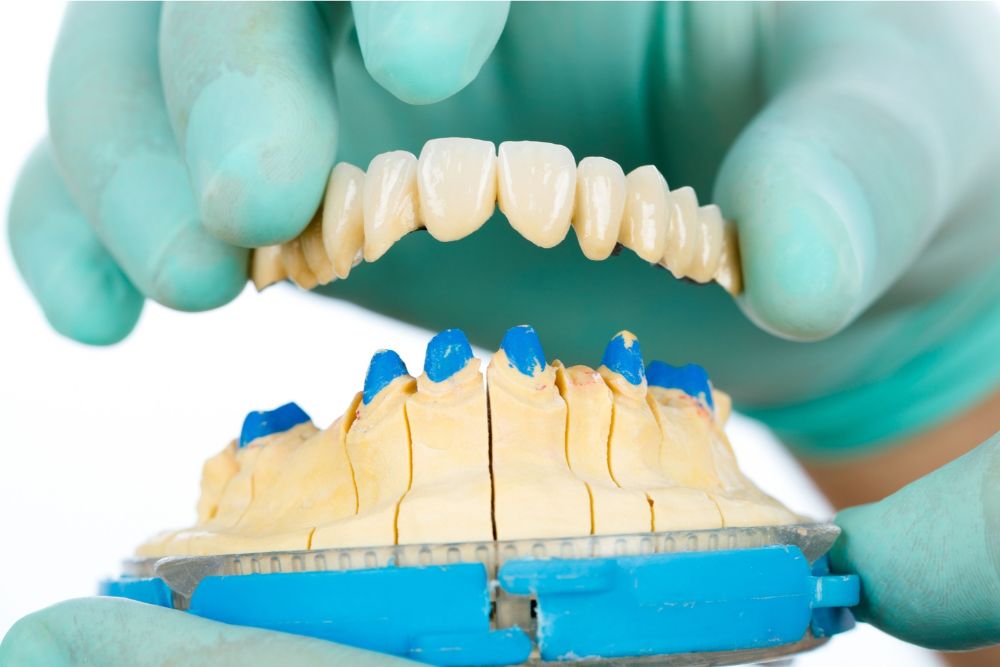
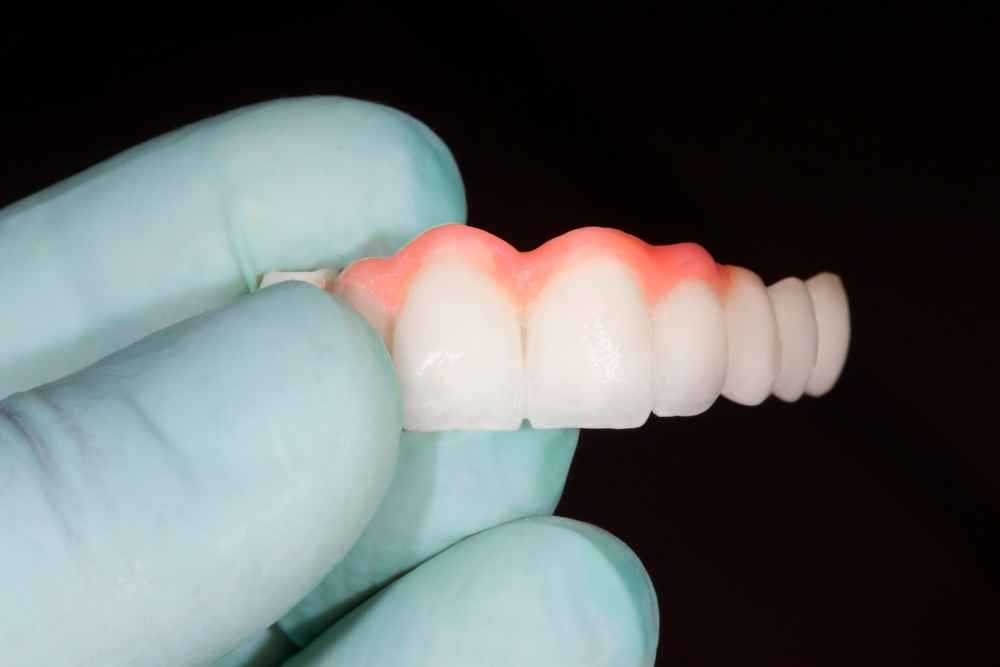
A traditional bridge is fixed to crowns on the natural teeth on either side of a gap. If you are researching dental bridges in Lower Hutt, it helps to know that these supporting teeth, called abutment teeth, carry the whole load of the bridge. The American Dental Association notes that a bridge’s success depends on its foundation, which is why healthy abutment teeth matter so much.
Other causes of a loose bridge include grinding or clenching at night, chewing ice or hard lollies, and an injury to the mouth. Over time, even small gaps at the edge of a bridge can let bacteria in and weaken the seal.
What Are the Signs of a Loose Dental Bridge?
The most common signs of a loose dental bridge are movement when you bite or touch it, a change in how your teeth fit together, and sensitivity or discomfort around the supporting teeth. Some people also notice a bad taste or smell near the bridge.
Watch out for these signs:
- The bridge rocks or shifts when you chew.
- Food or liquid seems to collect under the bridge.
- You notice a persistent bad taste or bad breath near one area.
- The supporting teeth feel sensitive to hot, cold, or sweet foods.
- The gums around the bridge look red, swollen, or bleed easily.
Even if the bridge only feels slightly loose, it is worth booking an appointment. A small movement can let bacteria and saliva seep under the crowns, which may lead to decay that is not visible from the outside.
When Can a Loose Dental Bridge Be Re-Cemented?
A loose dental bridge can usually be re-cemented when the bridge itself is intact, it still fits well, and the supporting teeth are free of decay and structurally sound. In these cases, the problem is simply the cement, not the bridge or the teeth.
Re-cementing involves gently removing the bridge, cleaning away old cement, checking the teeth and the inside of the crowns, and then bonding the bridge back in place with fresh dental cement.
Your dentist will also check your bite to make sure the bridge is not taking too much pressure. A dentist in Lower Hutt will usually take X-rays before deciding, because decay under a crown is often hidden. If the teeth and bridge are healthy, re-cementing is often a quicker and more conservative option than making a new bridge.
When Does a Loose Dental Bridge Need to Be Replaced?
A loose dental bridge usually needs to be replaced when there is decay under the crowns, a crack or fracture in the bridge, a poor fit, or significant changes to the supporting teeth or gums. In these situations, re-cementing would not solve the underlying problem.
Replacement may also be suggested when an older bridge has worn down, no longer matches your other teeth, or has gaps at the edges that trap plaque. If one supporting tooth has been badly damaged, it may need treatment such as a root canal, a new crown, or even removal before a new restoration can be planned.
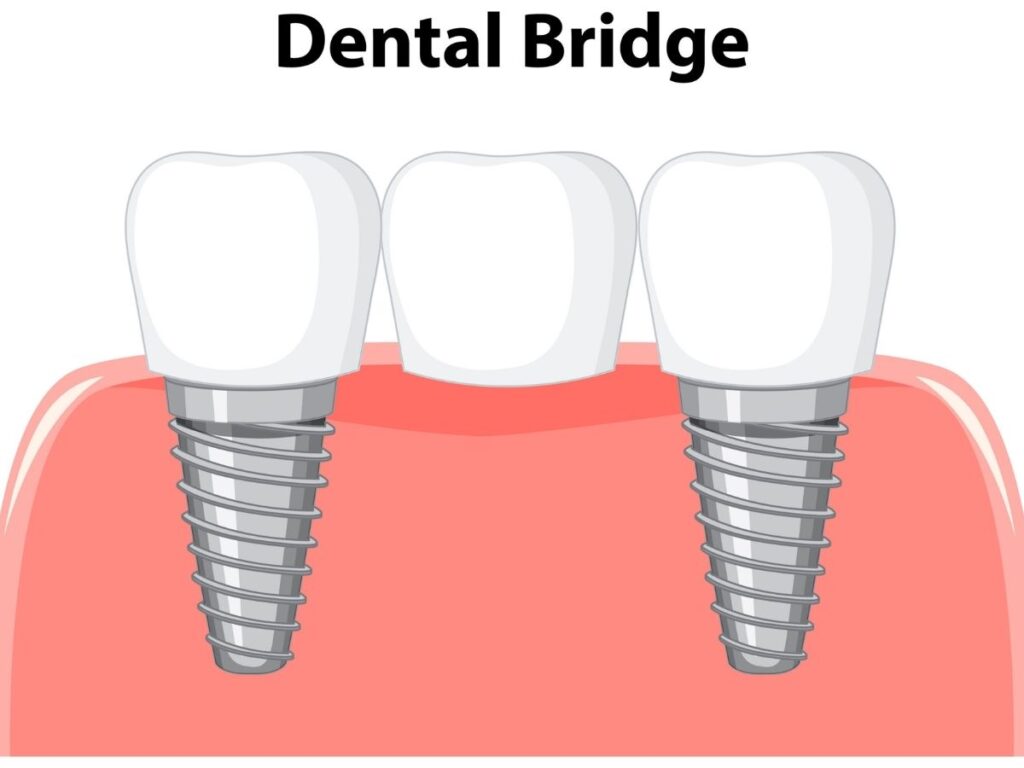
At Naenae Dental Clinic, the team explains what they see on your X-rays and photos, so you can understand why one option may be recommended over another. Because outcomes vary between patients, speaking with a dentist in Lower Hutt also gives you a chance to compare a new traditional bridge with options such as an implant-supported bridge.
What Happens at Your Dental Appointment?
At your appointment, your dentist will examine the bridge, check the supporting teeth and gums, and take X-rays to look for hidden decay or bone changes. Based on these findings, they will explain whether re-cementing or replacement suits your situation. For patients exploring dental bridges in Lower Hutt, this visit is the first step toward a clear plan.
A typical visit includes:
- Examination: your dentist checks how loose the bridge is and looks at the surrounding gums.
- X-rays: these show decay, bone levels, and the health of the tooth roots.
- Removal and cleaning: if the bridge comes off easily, it may be removed and cleaned.
- Discussion of options: your dentist talks you through re-cementing, replacement, or other treatment.
- Treatment or planning: re-cementing can often be done the same day, while a new bridge needs impressions or digital scans.
What Should You Do if Your Bridge Comes Loose or Falls Out?
If your bridge comes loose or falls out, keep it safe in a clean container and contact your dentist as soon as possible. Avoid chewing on that side, and do not try to glue the bridge back yourself, as household glues can damage the teeth and the bridge.
Until your appointment, keep the area clean with gentle brushing and choose softer foods. If you have a sharp edge, sudden swelling, or strong pain, let the clinic know when you call so they can see you sooner. Problems with dental bridges are often easier to manage when they are checked early.
How Can You Help Prevent a Bridge From Loosening Again?
You can help prevent a bridge from loosening by cleaning carefully around and under it every day, attending regular check-ups, and protecting it from heavy biting forces. Good daily care also helps keep the supporting teeth and gums healthy.
Use floss threaders, interdental brushes, or a water flosser to clean under the false tooth. If you grind your teeth, a night guard may help reduce pressure on the bridge. To learn more about the materials that hold bridges in place, the dental cement offers a useful overview.
Frequently Asked Questions
Is a loose dental bridge an emergency?
A loose bridge is not usually a medical emergency, but it should be checked soon. Leaving it loose can allow decay to develop under the crowns.
Can a bridge be re-cemented more than once?
Yes, a bridge can sometimes be re-cemented more than once if it still fits well and the supporting teeth are healthy. Repeated loosening may suggest an underlying problem that needs checking.
Does re-cementing a dental bridge hurt?
Re-cementing is generally well-tolerated. Local anaesthetic can be used if the supporting teeth are sensitive.
Can I still eat with a loose dental bridge?
Try to avoid chewing on the loose side and stick to softer foods until your dentist has checked the bridge.
Final Thoughts
A loose dental bridge does not always mean you need a new one. When the bridge is intact and the supporting teeth are healthy, re-cementing may be all that is needed. When there is decay, damage, or a poor fit, replacement is usually needed to address the underlying problem.
As of 2026, digital X-rays and scanning help dentists find hidden problems early and plan treatment with improved detail. Still, every mouth is different, and treatment outcomes vary depending on individual circumstances.
If your bridge feels loose, the team at Naenae Dental Clinic can examine it, explain your options clearly, and help you plan the next step. Book a consultation to help care for your supporting teeth and maintain your oral comfort.
Sources:
- American Dental Association. (n.d.). Bridges. Available at:
https://www.mouthhealthy.org/all-topics-a-z/bridges - Auckland Dental Association. (n.d.). Bridges. Available at:
https://www.ada.co.nz/how-we-can-help/abc-of-dental-questions/29-bridges - Leeds Teaching Hospitals NHS Trust. (n.d.). Bridges. Available at:
https://www.leedsth.nhs.uk/patients/resources/bridges/ - New Zealand Dental Association. (n.d.). Predictable Bridgework. Available at:
https://www.nzda.org.nz/education/courses-events/predictable-bridgework