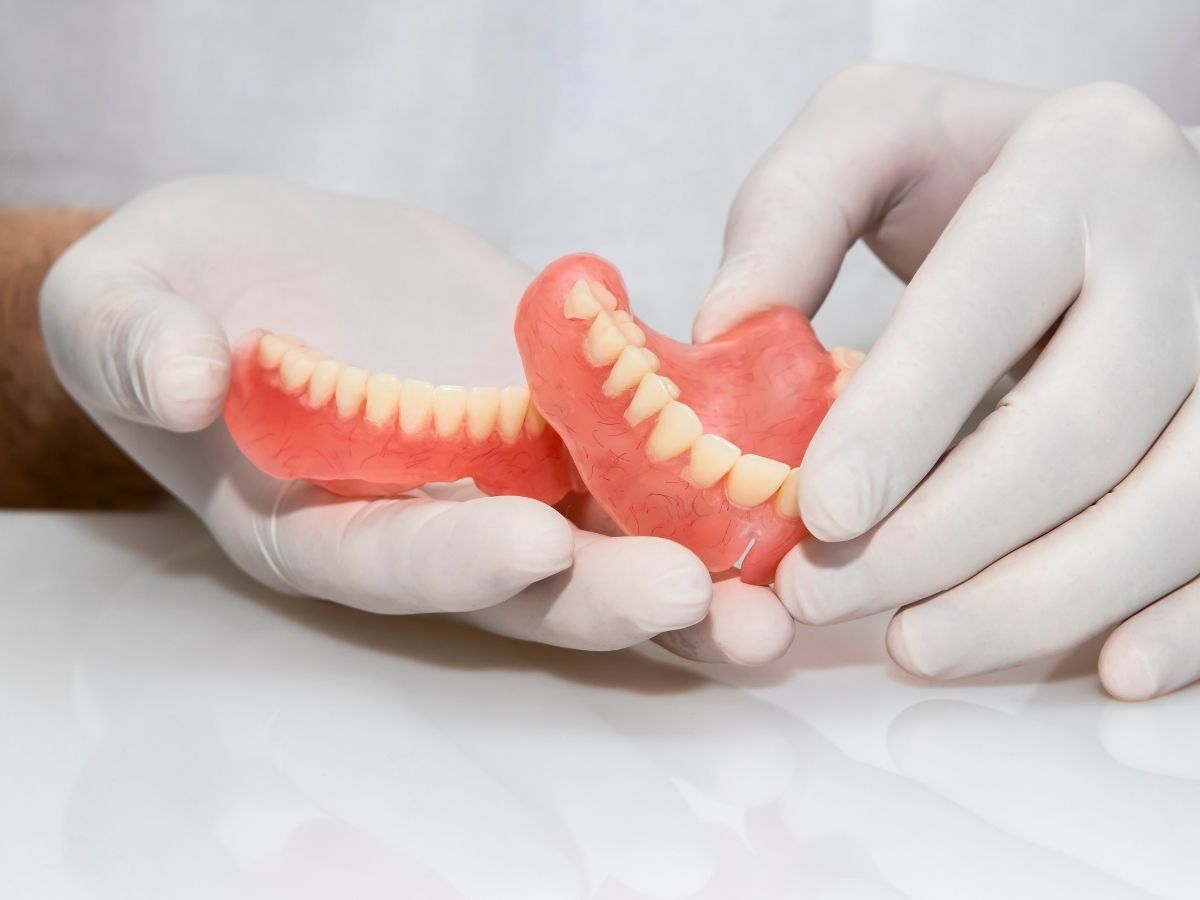

Getting fitted for dentures is a big step, and it’s normal to wonder what daily life will actually feel like afterwards. Many people considering dentures in Lower Hutt ask the same two questions: will my speech sound different, and will eating become difficult?
The honest answer is that some adjustment is common at first, but it typically settles down with time and a few simple habits.
This guide walks through why these changes happen, what you can do to ease the transition, and when it’s worth checking in with your dentist.
At a Glance
- New dentures can temporarily affect speech and chewing while your mouth adjusts.
- Reading aloud and practising certain sounds may help speech feel more natural sooner.
- Starting with soft foods and chewing evenly on both sides can make eating easier at first.
- Most people find their adjustment period settles within a few weeks, though this varies from person to person.
- Ongoing discomfort or persistent speech changes are worth discussing with your dentist rather than working around.
Why Do New Dentures Affect the Way You Speak?
New dentures can temporarily change how certain words sound because your tongue, lips, and cheeks need to relearn how to work around the denture base and teeth. This is a normal part of adapting to an appliance sitting in a space your mouth hasn’t had to manage before.
Your tongue naturally touches the roof of your mouth and the back of your teeth to form certain sounds, particularly “s,” “th,” and “f” sounds. When dentures change the shape of that space, even slightly, those same movements can produce a whistle, a lisp, or a slightly muffled sound.
This is one of the reasons for a personalised treatment plan and a well-fitted denture matter. A denture in Lower Hutt that fits closely to the shape of your mouth generally requires less adjustment from your tongue and lips than one that doesn’t sit as precisely.
How Can You Practise Speaking Clearly With Dentures?
Speaking slowly and reading aloud for a few minutes each day can help retrain your mouth to work with new dentures. Repetition can help your tongue and cheek muscles learn the new positions needed for clearer speech.
Try reading a page from a book or newspaper out loud, focusing on words with “s” and “th” sounds. Going slowly at first, rather than rushing to speak at a normal pace, tends to help the sounds come out clearer.
It can also help to practise in a low-pressure setting, such as at home, before relying on your denture for phone calls or conversations at work. Confidence tends to build as the words start to feel more familiar.
Swallowing before you begin speaking can also reset the denture into position, which may reduce clicking or slipping while you talk.
Why Does Eating Feel Different When You First Get Dentures?
Eating can feel different with new dentures because the chewing pressure, sensation, and bite pattern are all slightly different from your natural teeth or your previous dental situation. Your mouth needs time to learn how much pressure to use and where to place food.
Dentures don’t have the same root connection to the jawbone that natural teeth do, so the feedback your brain receives about chewing pressure is different. This is why food may initially feel like it’s not quite in the right place, or why chewing can feel less efficient than before.
Some people also notice a change in taste sensation at first, particularly with full upper dentures, since the palate area is partially covered. This generally becomes less noticeable as you adjust.
Which Foods Are Easier to Eat While You Adjust to Dentures?
Soft, easy-to-chew foods cut into small pieces are generally the easiest starting point while your mouth adapts to new dentures. Foods like scrambled eggs, mashed potato, soft pasta, and well-cooked vegetables put less strain on the gums and denture-bearing areas.
- Start with softer foods and gradually reintroduce firmer textures as chewing feels more comfortable.
- Cut food into smaller pieces rather than biting directly with your front teeth.
- Chew slowly and evenly, using both sides of your mouth at the same time to help keep the denture stable.
- Avoid very sticky, hard, or chewy foods until your confidence with the denture has grown.
Introducing tougher foods gradually, rather than all at once, tends to make the transition smoother and more comfortable.
How Long Does It Usually Take to Adjust to Dentures?
Most people notice a meaningful improvement in both speech and chewing within the first few weeks of wearing new dentures, though the exact timeframe varies depending on the individual and the type of denture. Full dentures and partial dentures can each involve a slightly different adjustment period.
Factors such as how recently teeth were removed, the fit of the denture, and how consistently the dentures are worn can all influence how quickly things feel more natural. Wearing your dentures as recommended by your dentist in Lower Hutt, rather than only some of the time, generally supports a smoother adjustment.
If speech or chewing difficulties persist well beyond this initial period, it may be a sign that the fit needs to be reviewed rather than something to simply push through.
When Should You See Your Dentist About Speech or Eating Difficulties?
You should book a follow-up appointment if speech or eating problems persist, worsen, or are accompanied by soreness, rubbing, or looseness that doesn’t settle with practice. These can be signs that the denture needs adjusting rather than issues that will resolve on their own.
Dentures that shift while talking or eating, cause repeated sore spots, or feel consistently loose may need a fit adjustment. This is a routine part of denture care, and most people need at least one or two follow-up visits after their dentures are first fitted.
A dentist can assess the fit, check the bite, and make small adjustments that can meaningfully improve both comfort and confidence.
Frequently Asked Questions
Will dentures always affect the way I speak?
For most people, speech changes are most noticeable in the first few weeks and become less apparent as the tongue and mouth adjust. Ongoing speech difficulties are worth mentioning to your dentist, as they may indicate the fit needs reviewing.
Can I eat all the same foods with dentures eventually?
Many denture wearers gradually reintroduce a wider range of foods as their chewing confidence builds, though very hard or sticky foods may still need extra care. Your dentist can offer guidance based on your specific denture type and any personal dietary needs.
How long does it typically take to get used to new dentures?
Adjustment periods vary, but many people notice their speech and chewing feel more natural within the first few weeks of consistent wear. Individual circumstances, denture type, and fit can all affect how quickly this happens.
Do partial dentures affect speech and eating differently than full dentures?
Partial dentures generally involve less adjustment than full dentures because more natural teeth remain to guide chewing and speech. However, the exact experience still depends on the number and position of the missing teeth being replaced.
What should I do if my dentures still feel uncomfortable after several weeks?
If discomfort, looseness, or speech difficulties continue beyond the usual adjustment period, it’s best to book a review appointment rather than continuing to manage the issue. A dentist can check the fit and make any needed adjustments.
Conclusion
Adjusting to new dentures is a gradual process, and some changes to speech and eating in the early weeks are a normal part of that adjustment.
Practising speech exercises, easing into firmer foods, and giving your mouth time to adapt can all help the transition feel more manageable. If discomfort or difficulties continue longer than expected, a simple fit review can often make a noticeable difference.
If you’re exploring dentures in Lower Hutt or have questions about adjusting to a denture you already wear, the team at Naenae Dental Clinic can talk through a personalised treatment plan and next steps during a consultation.