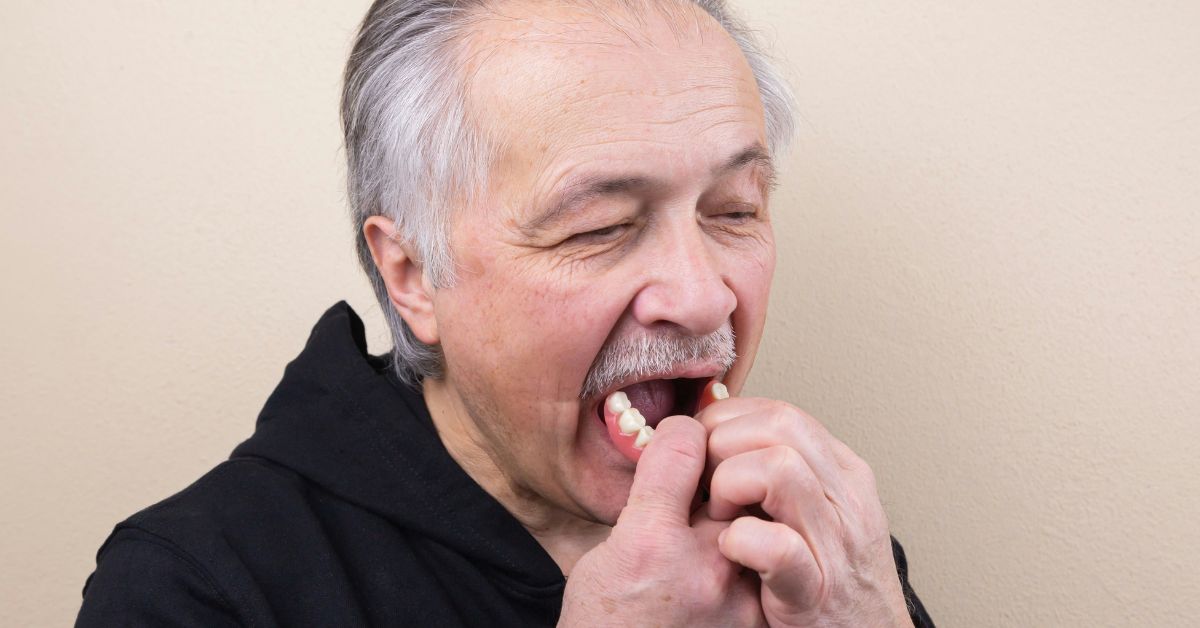

If you wear dentures in Lower Hutt, knowing what to eat and what to avoid can make a real difference to your comfort and oral health. Adjusting to life with dentures takes time, and your diet plays a bigger role than many people expect.
Dentures are designed to restore function and help you eat a wide range of foods again. However, certain foods can loosen, damage, or shift your dentures, leading to discomfort or even injury to the gum tissue underneath. Understanding which foods to be cautious with helps you get the most out of your dentures and avoid unnecessary trips to the dental chair.
Whether you have recently received new dentures or have been wearing them for years, this guide will walk you through the foods to limit or avoid, along with practical tips for eating comfortably and confidently.
Why Food Choices Matter for Denture Wearers
Dentures sit over your gums and are held in place through suction, adhesive, or implant support. Unlike natural teeth, they do not have the same biting force or stability.
When you eat hard, sticky, or tough foods, you place uneven pressure on the denture base. Over time, this can cause the dentures to shift, crack, or irritate the gum tissue beneath. Some foods can even dislodge dentures in Lower Hutt unexpectedly, which can be embarrassing and uncomfortable.
Choosing the right foods is not about limiting enjoyment, it is about protecting your gums and getting a longer life out of your dental appliance.
Hard and Crunchy Foods to Limit
Hard foods are one of the most common causes of denture problems. Biting into something firm with significant force can cause dentures to crack or move out of position.
Foods to be careful with include:
-
- Raw carrots and celery
- Whole apples and hard pears
- Crusty bread and hard rolls
- Hard crackers and crispbreads
- Nuts and seeds
- Hard lollies and boiled sweets
- Ice (chewing ice is a common habit but one that should be avoided entirely)
If you enjoy these foods, consider modifying how you eat them. Grating raw vegetables, cutting fruit into small pieces, or choosing softer bread varieties can let you still enjoy similar flavours without the risk.
Sticky and Chewy Foods That Can Dislodge Dentures
Sticky foods are another category that denture wearers need to be mindful of. These types of foods can grip onto the denture surface and pull them away from the gums mid-bite.
Common sticky foods to avoid or minimise include:
-
- Chewing gum (standard gum is particularly problematic)
- Toffees, caramels, and sticky lollies
- Peanut butter eaten in large amounts
- Soft white bread that compacts and sticks
- Dried fruits such as raisins, prunes, and apricots
- Sticky rice dishes
If you do eat any foods in this category, rinse your mouth and clean your dentures thoroughly afterwards to remove any residue that may have built up under the base.
Tough Meats and Fibrous Foods
Chewing tough, fibrous meats requires significant jaw pressure and back-and-forth grinding motion. This type of movement puts uneven stress on dentures and can cause them to rock or shift.
Meats and fibrous foods to approach with care:
-
- Steak and thick-cut meats
- Pork chops and lamb chops on the bone
- Tough chicken pieces
- Corn on the cob
- Whole grain foods with tough husks
Instead of avoiding protein altogether, consider choosing tender cuts of meat, slow-cooked dishes, minced meat, or fish, which tend to be softer and easier to manage. Cutting meat into small pieces and chewing on both sides of your mouth at once can also help distribute pressure more evenly.
Foods and Drinks That Can Stain or Damage Dentures
Beyond physical damage, some foods and drinks can affect the appearance and material of your dentures over time.
Items known to cause staining or material wear include:
-
- Coffee and tea consumed in large amounts
- Red wine
- Tomato-based sauces
- Turmeric and strongly coloured spices
- Acidic drinks like soft drinks and citrus juices
While you do not have to cut these out entirely, rinsing your dentures after meals and cleaning them daily with a product recommended by your dental team can help reduce staining and extend the life of the appliance.
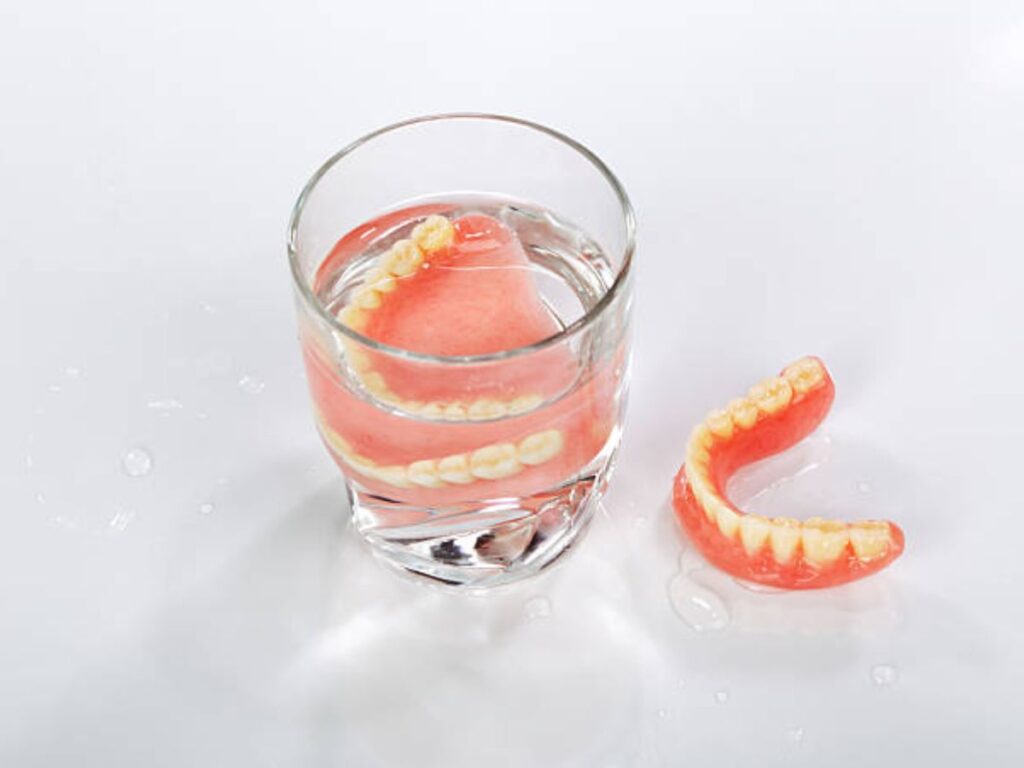
Avoid using very hot water when cleaning or soaking dentures, as extreme heat can warp the shape of the material.
What Can Denture Wearers Eat Comfortably?
It is worth highlighting that many everyday foods are well-suited to denture wearers. With a thoughtful approach to meal preparation, you can maintain a balanced, nutritious diet.
Suitable foods for most denture wearers include:
-
- Cooked vegetables (steamed, roasted, or mashed)
- Eggs in any form scrambled, poached, or boiled
- Fish and tender seafood
- Soft fruits such as bananas, melons, berries, and peeled peaches
- Dairy products including yoghurt, soft cheese, and milk
- Porridge, soft cereals, and smoothies
- Well-cooked pasta, rice, and noodles
- Soups and casseroles
- Tofu and soft legumes
Starting with softer foods when you first receive dentures, then gradually reintroducing other foods as you adjust, is a sensible approach. Your dental team can offer guidance specific to your situation.
FAQ:
Can I eat normally with dentures?
Many people with dentures eat a wide variety of foods comfortably. The adjustment period, particularly with new dentures, may require some changes to how you prepare or bite into food. With time and the right technique such as cutting food into smaller pieces and chewing on both sides most daily eating becomes manageable. If eating remains uncomfortable after the initial settling period, it is worth speaking with your dental team.
How soon after getting new dentures can I eat solid food?
It is generally recommended to begin with soft foods during the first few days after receiving new dentures. As your gums adjust to the fit and pressure, you can slowly introduce firmer foods. Avoid hard or sticky foods entirely during the early weeks. Your dentist in Lower Hutt will advise you on an appropriate timeline based on your individual circumstances.
Why do my dentures move when I eat certain foods?
Denture movement during eating is common, particularly with foods that require uneven biting pressure. It may indicate that the fit needs adjustment, that the denture adhesive has worn off, or that the dentures themselves may need relining. Persistent movement can cause gum soreness and should be assessed by a dental professional. Denture fit can change over time as the underlying bone and gum tissue changes shape.
Is it safe to use denture adhesive with all foods?
Denture adhesive can help improve stability and confidence while eating. However, it is not a long-term solution for poorly fitting dentures. If you find yourself relying on adhesive to manage with everyday foods, it may be time to have your dentures reviewed to check the fit. Adhesive should be used as directed, and any excess should be cleaned away after meals.
Conclusion
Making mindful food choices is a practical and important part of living well with dentures. By avoiding or modifying hard, sticky, and fibrous foods, you can protect your gums, preserve your dentures, and eat more comfortably day to day.
If you have concerns about your denture fit, are experiencing discomfort when eating, or would like personalised guidance on managing your diet, speaking with a dental professional is always a worthwhile step.
At Naenae Dental Clinic, the team is available to discuss your denture care needs and provide advice tailored to your situation. Whether you are new to dentures or have been wearing them for some time, support is available to help you maintain your oral health and everyday comfort.
Sources: