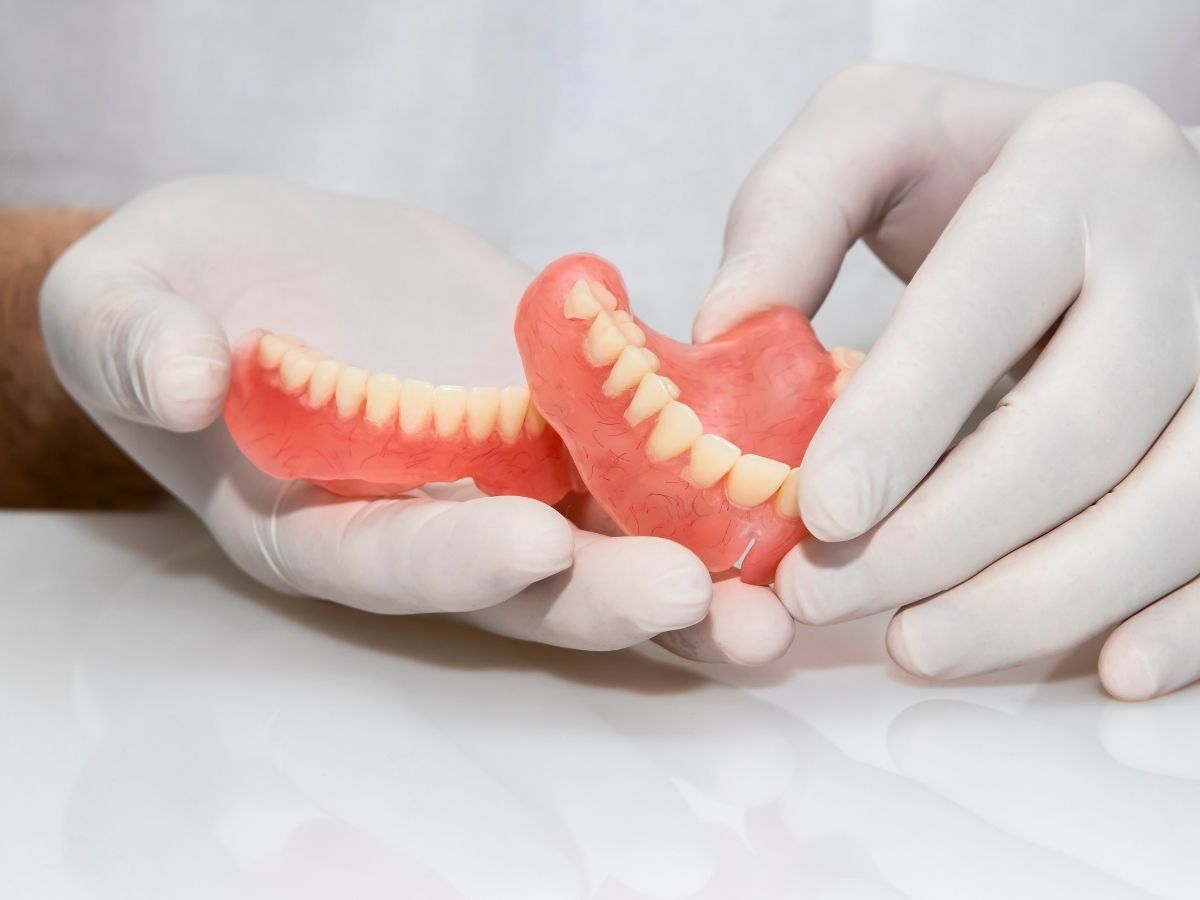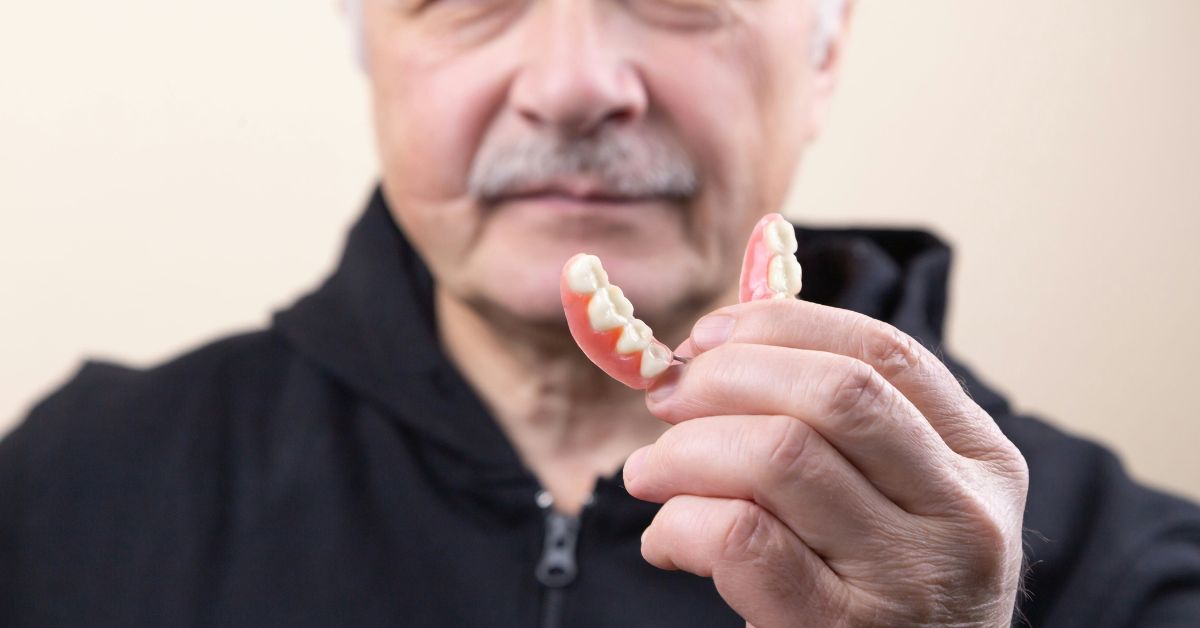


If you wear dentures in Lower Hutt, you’ve probably wondered whether it’s really necessary to take them out every night.
It might feel easier to leave them in, especially at first, particularly if you’re new to wearing dentures or simply forget as part of your evening routine. However, removing your dentures before bed is one of the simplest habits you can build for better oral health.
As of 2026, dental professionals continue to recommend nightly removal as a standard part of denture care. This guide explains why nighttime denture removal matters, what can happen if dentures stay overnight, and how to care for them properly.
At a Glance
- Sleeping in dentures can put continuous pressure on your gums and jawbone.
- Overnight denture wear may increase the risk of oral tissue irritation and fungal growth.
- Removing dentures gives your gums a chance to rest and recover.
- Proper overnight soaking helps keep dentures clean and correctly shaped.
- A personalised denture care routine can be discussed with your dental team in Lower Hutt.
Why Should Dentures Be Removed Before Sleeping?
Dentures should be removed before sleeping because continuous wear does not allow the gums and jawbone to rest from the pressure of the appliance. Gum tissue normally gets natural relief throughout the day, and constant coverage can interfere with this normal cycle.
When someone wears dentures in Lower Hutt overnight, saliva flow around the gums is also reduced. Saliva plays a natural role in cleaning the mouth, so reduced circulation under the denture may contribute to a less healthy oral environment.
Many dental professionals recommend a consistent nightly removal routine as part of general denture care. A personalised approach can be discussed during a consultation, since individual circumstances vary.
What Can Happen If You Sleep in Your Dentures?
Sleeping in dentures regularly may be associated with oral tissue irritation, increased plaque build-up, and a higher likelihood of fungal conditions such as denture stomatitis. These outcomes are not guaranteed for everyone, but they are commonly discussed risks linked to prolonged, uninterrupted denture wear.
Denture stomatitis is a mild inflammation of the tissue under a denture, often linked to trapped moisture and reduced airflow. It typically presents as redness or soreness rather than a serious condition, but it’s still worth avoiding where possible.
Extended overnight wear may also place ongoing pressure on the same areas of the gums and jawbone. Over time, this may affect comfort and fit, which is one reason many dentists suggest giving tissues a nightly break.
Some people also notice a build-up of bacteria along the inside surface of the denture itself after a full night of wear. This is one reason nightly cleaning is generally paired with removal, rather than being treated as a separate, optional step. Individual experiences differ, so it’s worth discussing your own denture habits with your dentist in Lower Hutt if you’re unsure how they may be affecting your gum health.
How Should Dentures Be Cleaned Before Bed?
Dentures should be cleaned before bed by rinsing away food particles, brushing gently with a soft denture brush, and soaking them in an appropriate solution overnight. This routine helps remove plaque and bacteria that build up throughout the day.
- Rinse the denture under running water to remove loose debris.
- Brush all surfaces gently using a soft-bristled denture brush and a non-abrasive cleaner.
- Place the denture in a soaking solution or plain water, depending on the denture material.
- Store the denture in a safe, labelled container overnight.
Avoid using regular toothpaste on dentures, as it can be too abrasive for some denture materials. Your dental team can recommend a cleaning solution suited to your specific type of denture.
What Should You Do With Your Gums While Dentures Are Out?
While dentures are removed at night, gums and any remaining natural teeth should be gently cleaned to support overall oral health. This is a good opportunity to massage the gums lightly with a soft brush or cloth to encourage healthy circulation.
Rinsing the mouth with water or a recommended mouth rinse can also help remove residual food particles. This step supports comfort and hygiene during the hours the denture is not being worn.
Maintaining this simple nightly routine, alongside regular checkups, supports long-term oral health and denture comfort. A dental professional can review your gum health and denture fit at your regular visits.
For denture wearers who also have some remaining natural teeth, cleaning between teeth with floss or interdental brushes at night remains just as important as it would be without a denture. This extra step helps reduce plaque build-up in areas that a denture may otherwise cover during the day.
How Often Should Dentures Be Checked by a Dentist?
Dentures should generally be checked by a dentist at routine intervals to assess fit, comfort, and the condition of the surrounding gum tissue. Regular reviews help identify changes early, such as shifts in jaw shape that can affect how a denture sits.
Routine checkups also give you the chance to raise any concerns about irritation, looseness, or discomfort. Addressing these early, rather than waiting, generally supports better long-term comfort.
If you’re due for a review or have questions about your denture routine, a consultation with your local dental team is a helpful next step. Bringing up your nightly care habits, including how consistently you remove and clean your dentures, can help your dentist give more tailored guidance during these visits.
Frequently Asked Questions
Is it OK to sleep in my dentures occasionally?
Occasional overnight wear is sometimes unavoidable, but making it a regular habit is generally discouraged. It’s best to speak with your dentist about a routine that suits your individual circumstances.
What happens to your gums if you never take your dentures out?
Continuous wear may contribute to gum irritation, reduced saliva circulation, and a higher likelihood of oral tissue changes over time. Individual outcomes vary, so a dentist can assess your specific situation.
Do dentures need to be kept wet overnight?
Many dentures need to stay moist to help maintain their shape, which is why soaking in water or a recommended solution overnight is commonly advised. Your dental provider can confirm the right storage method for your specific denture material.
Can wearing dentures at night cause bad breath?
Reduced airflow and saliva circulation around an overnight denture may contribute to odour-causing bacteria build-up. Regular removal and cleaning can help manage this.
How long does it take to get used to removing dentures at night?
Adjusting to a nightly removal routine varies from person to person and often becomes easier within a few weeks. Your dental team can offer tips tailored to your comfort level.
Conclusion
Removing your dentures before sleeping is a small habit that can make a meaningful difference to your gum health, comfort, and denture longevity.
Giving your gums a nightly rest, combined with proper cleaning and regular dental checkups, supports a healthier mouth over time.
If you have questions about your denture routine or would like a personalised care plan, the team at Naenae Dental Clinic is here to help you look after your dentures in Lower Hutt.