
Losing a tooth affects more than your smile. Underneath the gum, the jawbone that once supported that tooth begins to change once it no longer has a root to stimulate it.
Many patients considering Dental Implants in Lower Hutt want to know whether implants can help protect the jawbone from this natural process, and what realistic outcomes look like.
This guide explains how tooth loss affects bone, how dental implants work, and what to expect if you’re weighing up your options in 2026.
At a Glance
- Losing a tooth removes stimulation to the jawbone, which can lead to gradual bone loss over time
- Dental implants replace the tooth root, which may help slow further bone loss in the treated area
- Implants are not a guaranteed fix for existing bone loss and outcomes vary between patients
- A personalised assessment is needed to check whether you have enough bone density for an implant
- Naenae Dental Clinic offers consultations to discuss whether implants may be a suitable option for you
What Causes Jawbone Shrinkage After Tooth Loss?
Jawbone shrinkage, also called bone resorption, happens because the jawbone relies on pressure from a tooth root to maintain its density. When a tooth is extracted or falls out and isn’t replaced, that area of bone no longer receives this stimulation and the body gradually reabsorbs it.
This is one of the main reasons dentists often recommend exploring dental implants in Lower Hutt sooner rather than later, as an implant can help provide the jawbone with ongoing stimulation similar to a natural tooth root.
This process can begin within months of losing a tooth and may continue for years if the gap is left untreated. The rate and extent of bone loss differs from person to person, depending on factors such as age, overall oral health, and how long the tooth has been missing.
Over time, noticeable bone loss can change the shape of the face, affect the fit of dentures, and make future tooth replacement more complex.
How Do Dental Implants Help Protect the Jawbone?
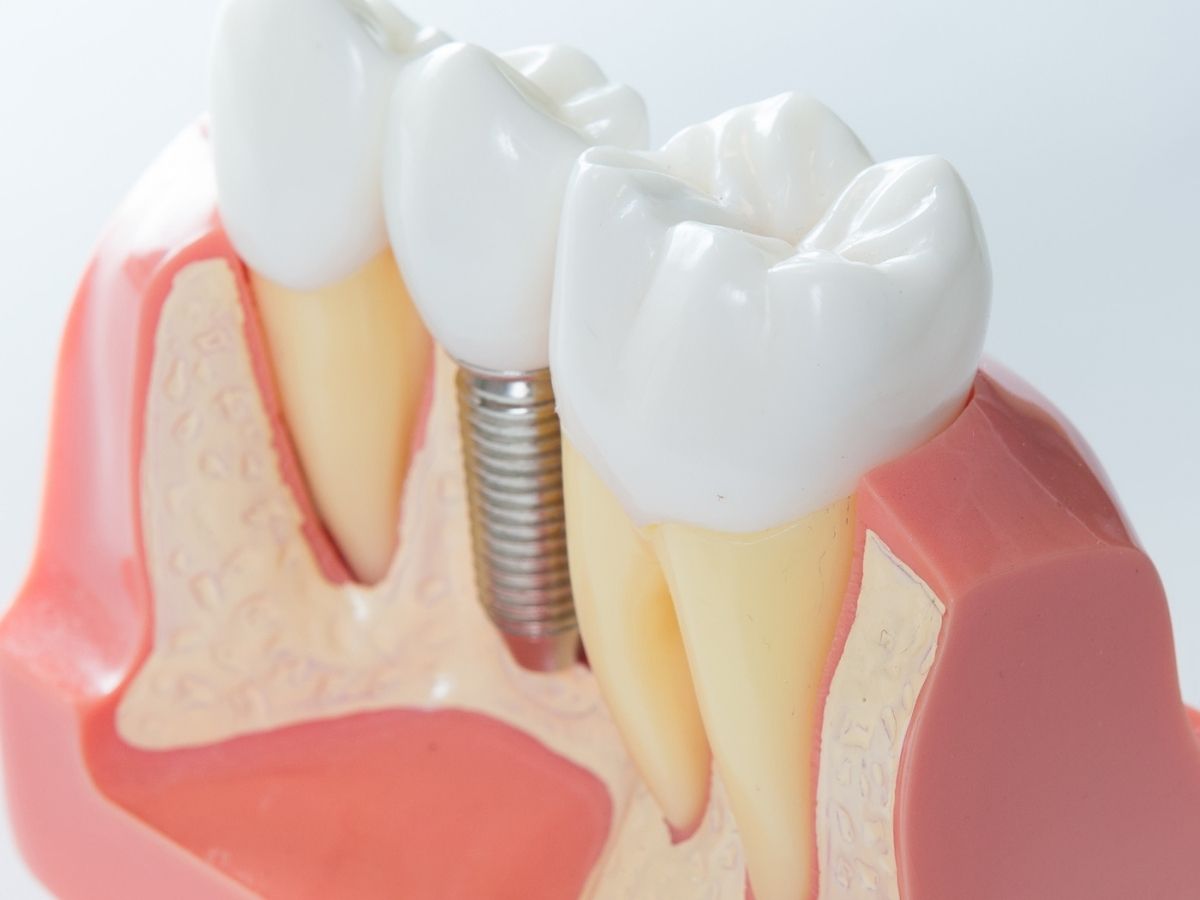
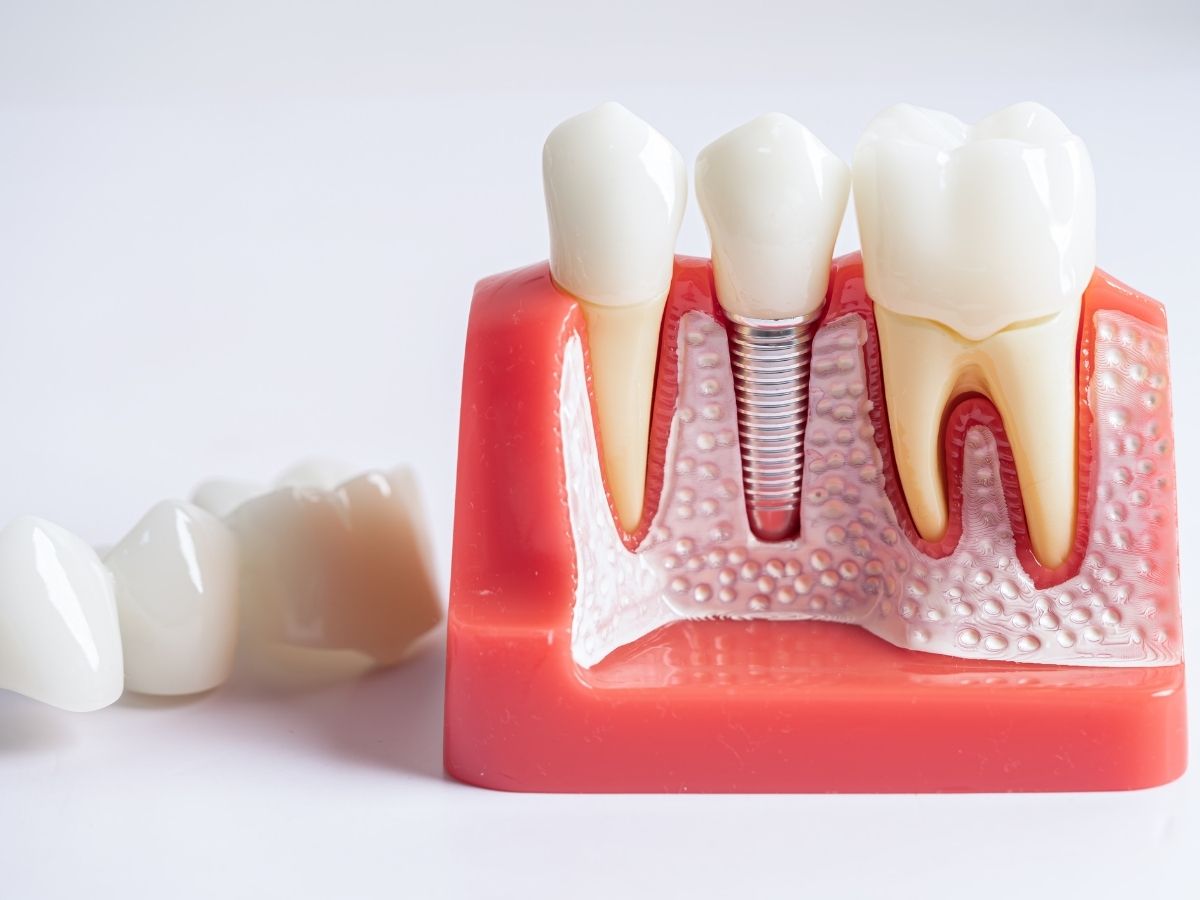
Dental implants are designed to replace the root of a missing tooth, and through a process called osseointegration, the implant fuses with the surrounding bone. This means the implant can continue to provide some of the stimulation that a natural tooth root once did.
Because of this, dental implants may help slow further bone loss in the area where they are placed, compared with leaving a gap unfilled. This is different from options like dentures or bridges, which sit on top of the gum or adjacent teeth and don’t directly stimulate the underlying bone in the same way.
It’s important to understand that dental implants work best at maintaining bone that is still present. If significant bone loss has already occurred before treatment, a bone graft may be recommended alongside the implant to help provide a stable foundation. Treatment outcomes vary depending on individual circumstances, and your dentist can advise what’s realistic for your situation.
What Happens If Missing Teeth Are Left Untreated?
Leaving a missing tooth untreated for an extended period generally allows bone loss in that area to continue, which can make later treatment more complicated. As the jawbone thins, neighbouring teeth may also begin to shift out of position, affecting your bite and chewing comfort.
For some patients, this can also lead to changes in facial appearance, such as a sunken look around the cheeks and lips, particularly when several teeth are missing. Addressing tooth loss earlier, rather than waiting, generally gives more treatment options and can make the process more straightforward.
Are Dental Implants Suitable for Everyone Concerned About Bone Loss?
Not every patient is automatically a candidate for dental implants, and suitability depends on individual health and bone conditions. Your dentist will typically assess your jawbone density, gum health, and overall medical history before recommending a course of action.
Patients with significant existing bone loss, certain medical conditions, or those who smoke heavily may need additional planning, such as a bone graft, before implants can be considered.
A thorough consultation and, where needed, imaging such as an X-ray or CT scan, helps determine whether implants are an appropriate option or whether an alternative approach may be more suitable.
What Does the Dental Implant Process Involve?
The dental implant process generally involves several stages, starting with a consultation and assessment, followed by placement of the implant into the jawbone, a healing period for osseointegration, and finally the fitting of a crown.
- Initial consultation and assessment of oral health and bone density
- Treatment planning, including any bone grafting if required
- Placement of the titanium implant into the jawbone
- A healing period, which can take several months, to allow the implant to integrate with the bone
- Fitting of the permanent crown or restoration once healing is confirmed
The overall timeline varies from patient to patient, and your dentist in Lower Hutt can give you a more specific estimate based on your individual assessment.
Frequently Asked Questions
Can dental implants completely stop jawbone shrinkage?
Dental implants cannot guarantee to stop bone loss entirely. By replacing the tooth root, they may help slow further shrinkage in the treated area for many patients, but individual results depend on factors like bone density and overall oral health.
How soon after losing a tooth should I consider an implant?
There’s no single fixed timeframe, but addressing tooth loss sooner rather than later may help limit the extent of bone loss and keep more treatment options available. A dentist can advise on timing based on your specific situation.
Do I need a bone graft before getting a dental implant?
Not always. A bone graft is generally only recommended if an assessment shows there isn’t enough bone density to support an implant securely. Your dentist will confirm this during a consultation.
Are dental implants a good option for older adults concerned about bone loss?
Age alone doesn’t rule out dental implants, though overall health and bone density are assessed on an individual basis. Many older adults are suitable candidates following a proper evaluation.
What are the alternatives if I’m not a candidate for implants?
Options such as dentures, bridges, or a bone graft followed by a later implant may be discussed if implants aren’t immediately suitable. Your dentist can walk you through the pros and cons of each based on your circumstances.
Conclusion
Jawbone shrinkage is a natural response to tooth loss, but it doesn’t have to be left unmanaged.
Dental implants are designed to replace the function of a natural tooth root, and for many patients this may help slow further bone loss in the treated area, though individual outcomes vary and existing bone loss cannot always be reversed. The best way to understand your options is through a personalised assessment.
If you’re in Lower Hutt and want to discuss whether dental implants may be suitable for your situation, the team at Naenae Dental Clinic can talk you through a personalised treatment plan based on your oral health and goals.