

Losing a tooth is stressful enough without worrying whether the replacement will actually last. If you’re researching dental implant treatment in Lower Hutt, you’ve probably already noticed that not every implant story ends well, and the difference usually comes down to planning, not luck.
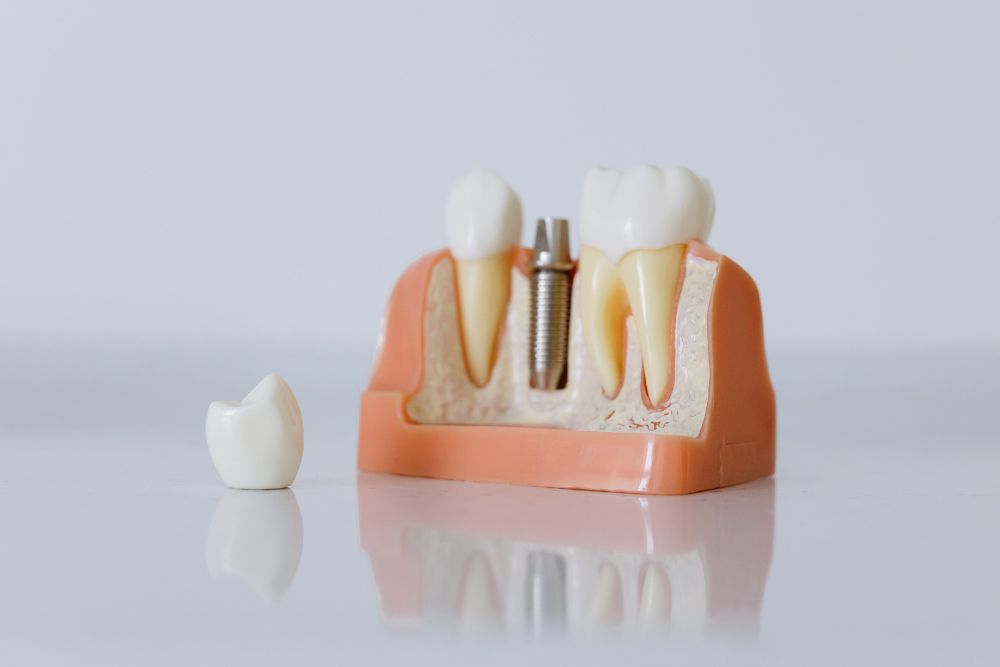
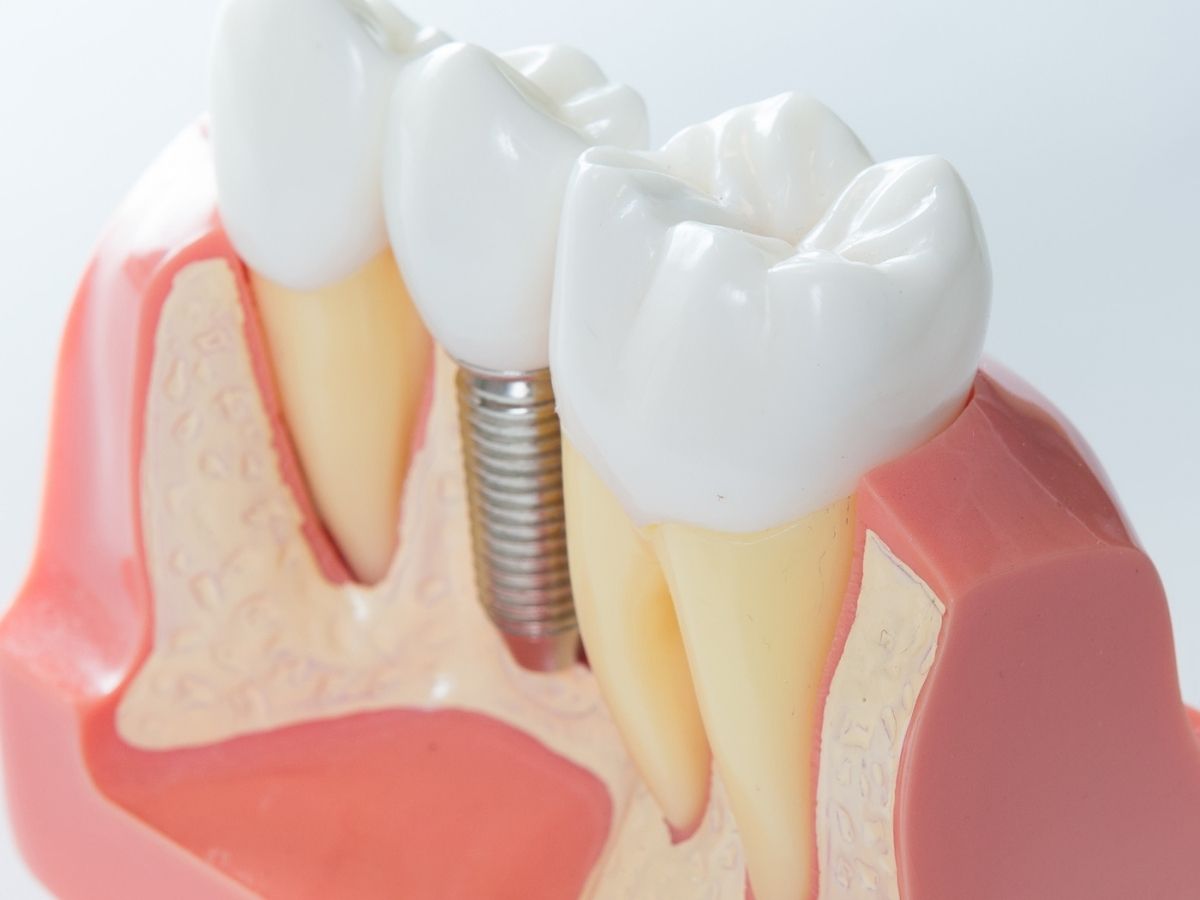
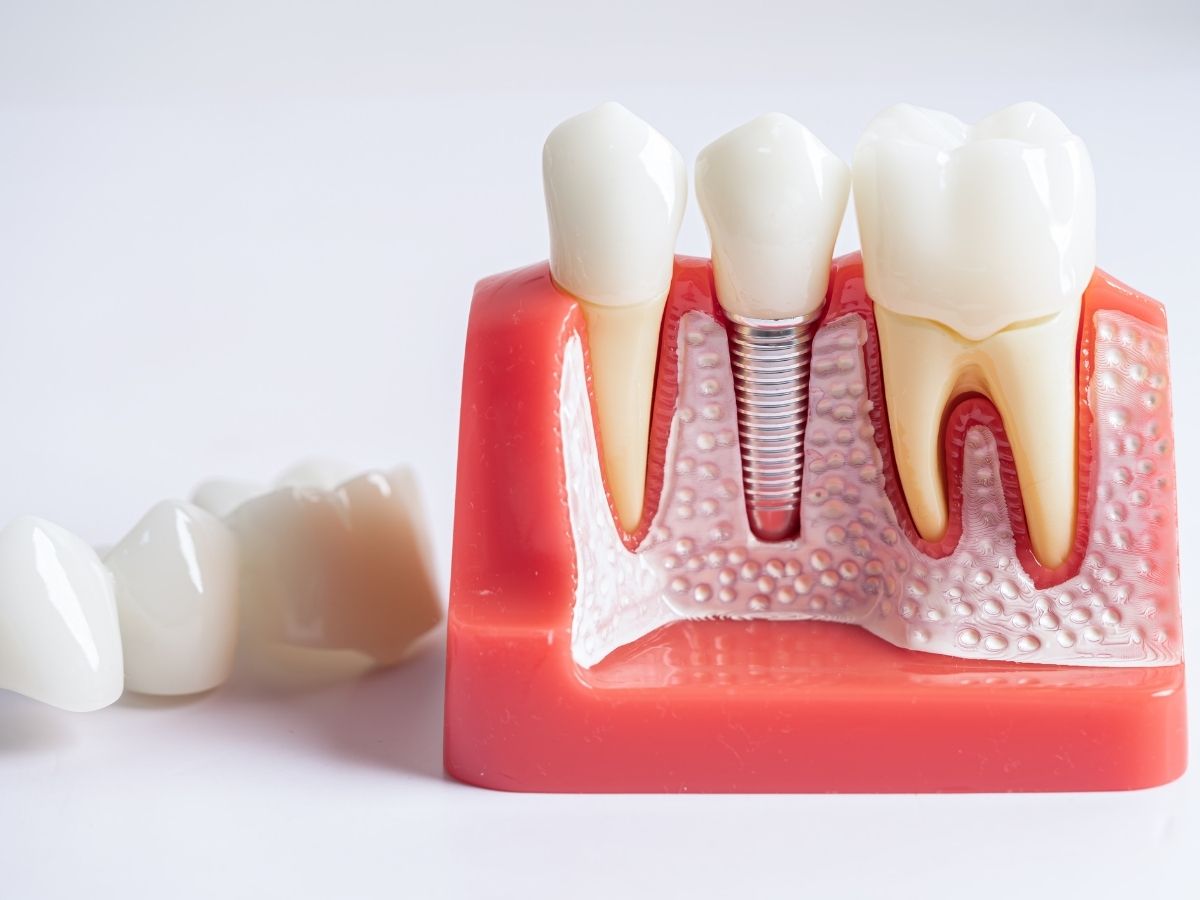
A dental implant is a small titanium post placed in the jawbone to act as an artificial tooth root, topped with a crown that looks and functions like a natural tooth. The surgery itself is only one part of the process.
What happens before the drill ever touches your jaw, the assessment, imaging, and treatment mapping, is what determines whether that implant lasts five years or twenty-five. This article walks through why thorough planning matters, what it actually involves, and what to expect if you’re considering dental implant treatment in Lower Hutt.
At a Glance
- Careful planning (imaging, bone assessment, bite analysis) plays a major role in supporting long-term implant outcomes
- Untreated gum disease, low bone density, or unmanaged medical conditions can all affect how well an implant integrates
- 3D scans (CBCT) let dentists map nerves, sinuses, and bone before surgery, which may help reduce the risk of complications
- Treatment outcomes vary depending on individual circumstances, so a personalised plan matters more than a generic approach
- Naenae Dental Clinic builds every implant plan around a full assessment before recommending treatment
What Does “Implant Planning” Actually Mean?
Implant planning is the diagnostic and design stage where a dentist evaluates your bone, gums, bite, and medical history to map exactly where and how an implant should be placed. It happens entirely before surgery and shapes every decision that follows.
This stage typically includes a clinical exam, X-rays or a 3D CBCT scan, and a conversation about your medical history and goals. The dentist is checking for enough bone volume to support the implant, healthy gum tissue, and no untreated infection nearby. For those considering dental implant treatment in Lower Hutt, they’re also mapping the position of nerves and sinuses so the implant is placed in a spot that avoids them entirely.
Skipping or rushing this stage is one of the more common reasons implants fail later. A personalised treatment plan can be discussed during your consultation, and it’s worth asking your dentist to walk you through exactly what they found and why they’re recommending a particular approach.
Why Does Bone Density Matter for Implant Success?
Bone density is an important factor in dental implant treatment because the implant requires adequate jawbone support. After a tooth is lost, the surrounding bone may gradually change over time. If there is insufficient bone, a dentist may discuss options such as bone grafting before implant placement.
3D imaging can help assess bone volume and anatomy before treatment. This information supports treatment planning and helps the dentist determine the most appropriate approach based on the individual’s circumstances.
What Role Does Gum Health Play in Implant Planning?
Gum health is an important consideration in dental implant treatment. Before recommending an implant, a dentist will typically assess the gums for signs of conditions such as gingivitis or periodontitis and may recommend appropriate treatment if active disease is present.
Ongoing oral hygiene and regular dental visits remain important after implant placement. Continued care helps support the health of the surrounding gum tissue and allows any concerns to be monitored over time.
How Do Medical History and Lifestyle Factors Affect Implant Planning?
Medical history and lifestyle factors matter because conditions like uncontrolled diabetes, osteoporosis medications, or smoking can all affect how well bone and tissue heal around an implant. A dentist needs the full picture to plan realistically.
Smoking, in particular, is one of the most consistently reported risk factors for implant complications, as it can restrict blood flow to healing tissue. Certain medications, particularly some osteoporosis drugs, can also affect bone remodelling and need to be discussed with your prescribing doctor before treatment.
None of these factors automatically rule someone out of implant treatment. They simply need to be factored into the plan, sometimes with a modified timeline, additional monitoring, or coordination with your GP or specialist.
How Does 3D Imaging Improve Implant Planning?
3D imaging, such as a Cone Beam CT (CBCT) scan, helps with implant planning by providing detailed views of the jawbone and nearby anatomical structures before treatment.
This information can assist the dentist in assessing bone dimensions, identifying important structures such as nerves and sinuses, and planning implant placement based on the patient’s individual anatomy. In some cases, the imaging data may also be used to create a surgical guide to support accurate implant positioning.
What Happens If Implant Planning Is Rushed or Skipped?
When implant planning is rushed, the most common consequences are implant failure, nerve or sinus complications, or a poor bite fit that causes ongoing discomfort. These issues are far more likely when imaging or bone assessment is incomplete.
A poorly planned implant might be placed at the wrong angle, too close to a nerve, or into bone that can’t properly support it. A dentist in Lower Hutt can assess these factors during the planning stage to help determine whether implant treatment is appropriate. Even if an implant initially feels fine, problems can sometimes surface months or years later as the bone and surrounding tissues change over time.
This is why it’s worth asking direct questions at your consultation: what imaging will be used, whether a bone graft might be needed, and how the dentist plans to manage your bite and adjacent teeth. Treatment outcomes vary depending on individual circumstances, so a plan that’s specific to your mouth, not a generic template, is what supports lasting results.
Frequently Asked Questions
How long does careful implant planning take before surgery?
Planning typically takes one to a few appointments, depending on whether imaging, a bone graft, or gum treatment is needed first. Straightforward dental implant cases may move to surgery within a few weeks, while cases needing bone grafting can take several months of healing beforehand.
Can I get a dental implant if I don’t have enough jawbone?
Yes, in many cases, a bone graft can rebuild the area before the implant is placed. Your dentist will use imaging to assess exactly how much grafting, if any, is needed for your situation.
Does smoking affect whether I can get a dental implant?
Smoking can affect healing and increases the risk of complications, but it doesn’t automatically rule out treatment. Your dentist will factor this into your plan and may suggest strategies to improve your chances of a smooth recovery.
What imaging is used to plan a dental implant?
Most dentists use a combination of standard X-rays and a 3D CBCT scan to map bone volume, nerves, and sinus position before recommending an implant plan.
How do I know if my implant plan is thorough enough?
A thorough plan should include a full medical history review, gum health check, and 3D imaging, with your dentist explaining the bone and bite considerations specific to your mouth. If any of these steps feel skipped, it’s reasonable to ask why.
Conclusion
Most people researching implants want to know one thing: will this actually work long-term? The honest answer is that it depends far less on the implant itself than on the groundwork laid before it ever goes in. Two patients can get the same implant system and have very different outcomes, and the difference is almost always traceable back to whether the bone, gums, and bite were properly assessed beforehand.
That’s why the consultation stage matters more than it might seem. It’s where problems get caught while they’re still easy to manage, and where a dentist can tell you honestly whether you’re ready for treatment now or need a step first, like a bone graft or gum treatment. At NaeNae Dental Clinic, that’s where every implant conversation starts. If you’re considering treatment, come in with your questions, and expect to leave with a clearer picture of what your mouth actually needs.
Sources:
- ACC — Dental Implant Patient Selection Criteria (ACC8270); https://www.acc.co.nz/assets/provider/acc8270-dental-implant-patient-selection-criteria.pdf
- ACC (Accident Compensation Corporation), Dental Implant Patient Selection Criteria, https://www.acc.co.nz/assets/provider/acc8270-dental-implant-patient-selection-criteria.pdf
- New Zealand Dental Association — Roadmap Towards Better Oral Health; https://roadmap.nzda.org.nz/roadmap-sections/2-issues-in-oral-health
- Health New Zealand | Te Whatu Ora — Smoking and oral health
https://www.healthnz.govt.nz/health-topics/keeping-healthy/teeth-gums/smoking-oral-health