
Losing a tooth can affect more than your smile; it can make eating, speaking, and feeling confident a daily challenge.
If you’re exploring dental implants in Lower Hutt, you’re probably wondering how they actually work and whether they’re the right option for your situation.
This guide walks through how dental implants function, what the process generally involves, and what to consider before making a decision.
As of 2026, implants remain one of the most researched options for tooth replacement, and understanding the basics can help you have a more informed conversation with your dentist.
At a Glance
- Dental implants replace the root and crown of a missing tooth using a titanium post and a custom-made crown
- They’re designed to integrate with the jawbone over several months through a process called osseointegration
- Suitability depends on individual factors like bone density, gum health, and overall medical history
- A personalised treatment plan is created after a thorough consultation and assessment
- Recovery timeframes and outcomes vary from person to person
What Is a Dental Implant?
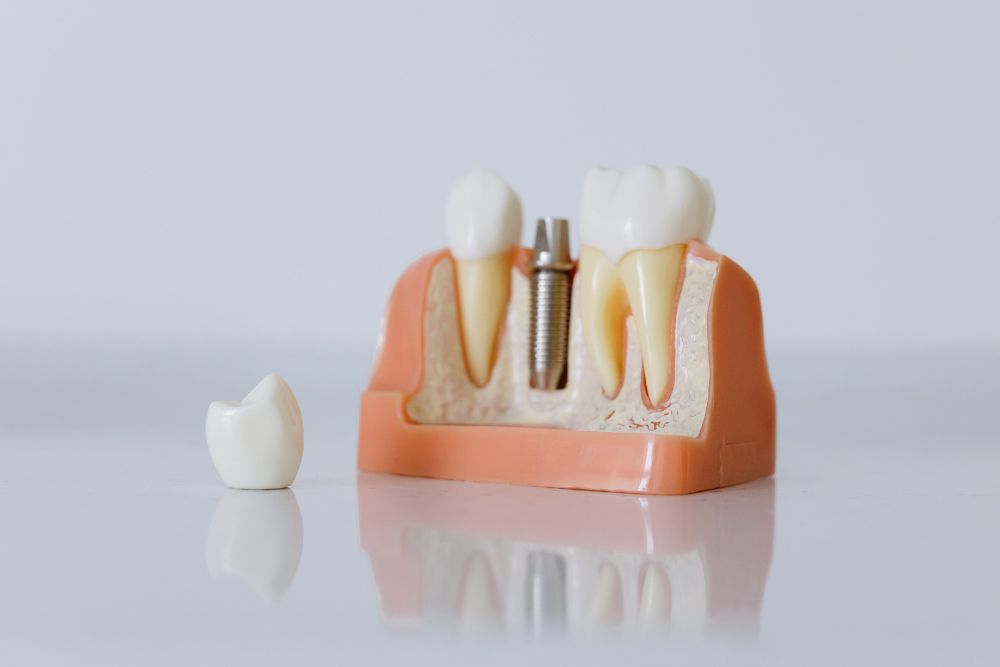
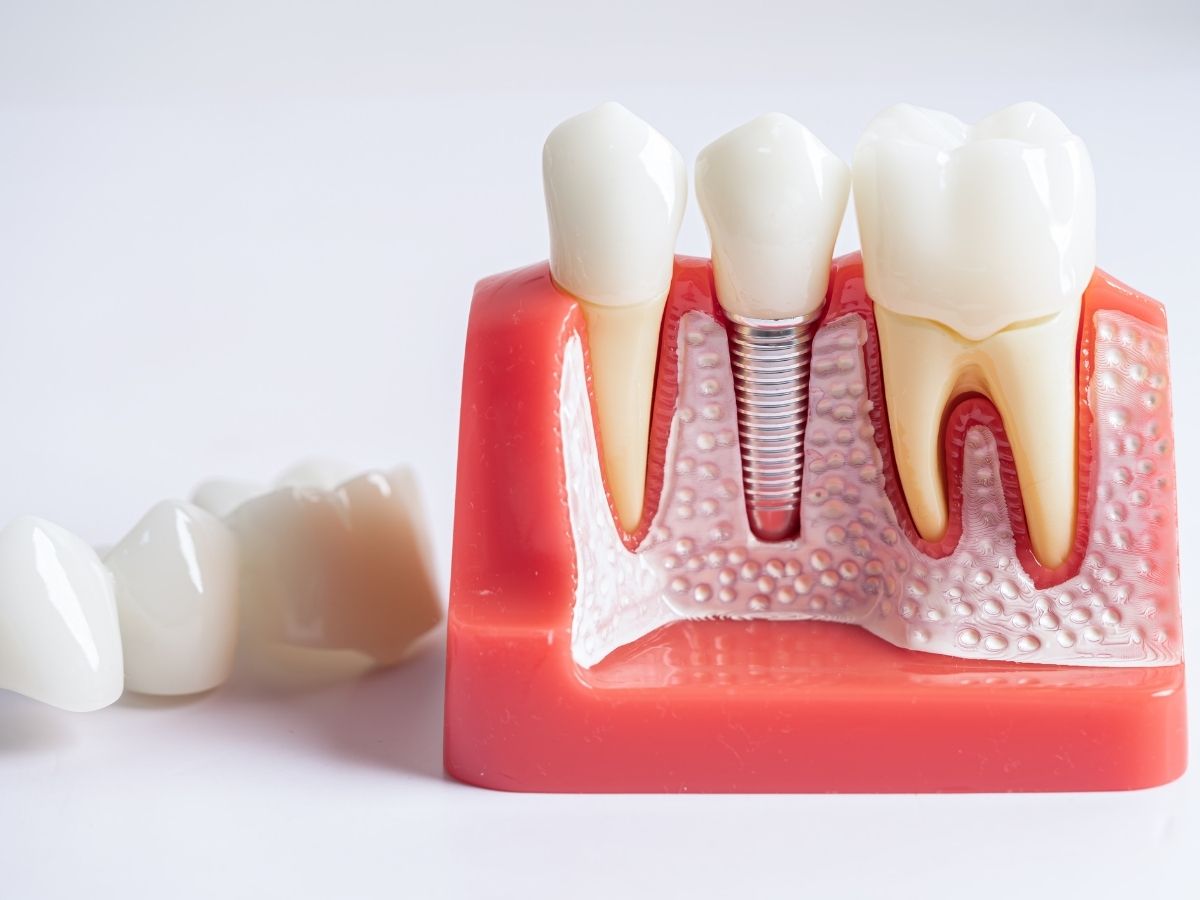
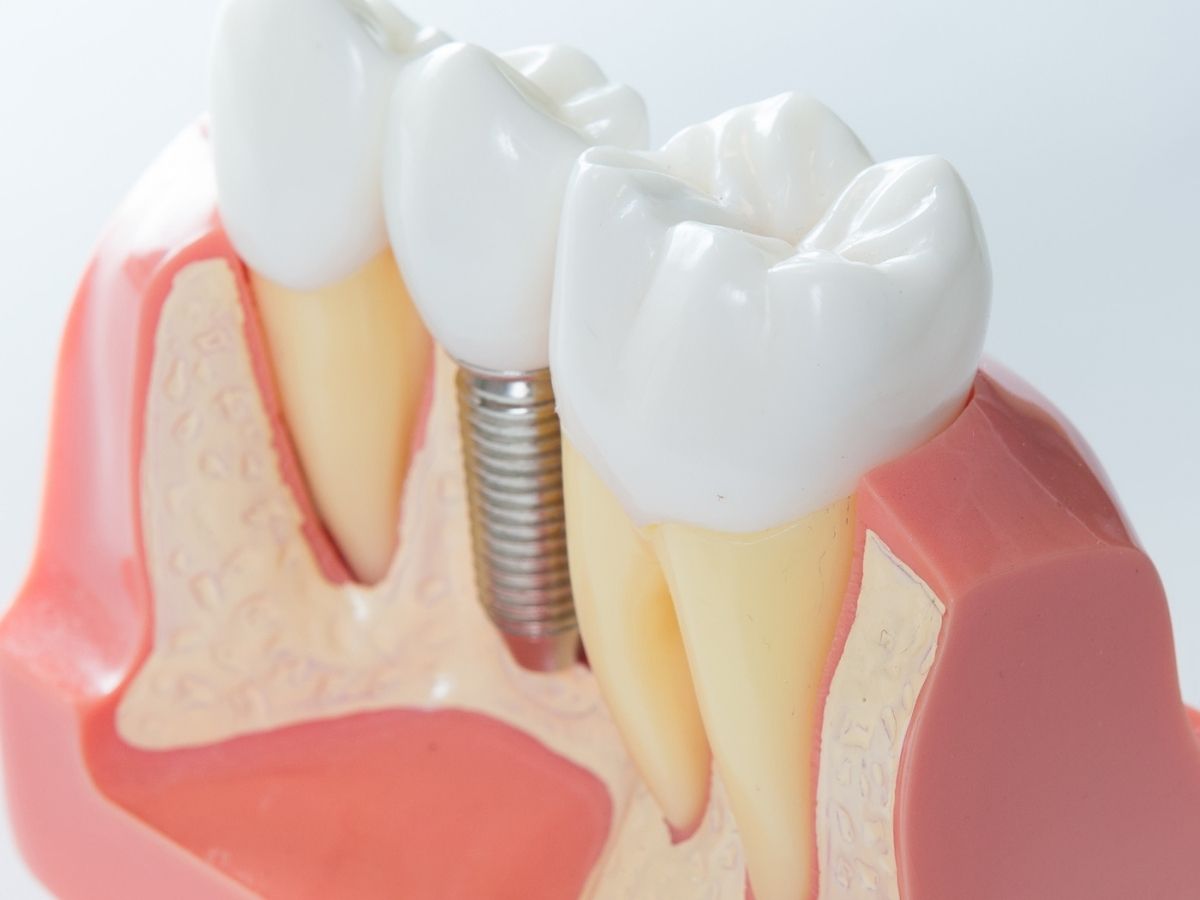
A dental implant is a small titanium post that is surgically placed into the jawbone to act as an artificial tooth root, topped with a custom crown that resembles a natural tooth.
Unlike dentures or bridges, which sit on or around existing teeth and gums, an implant is anchored directly into the bone.
This is intended to provide a stable base that supports normal biting and chewing function, which is one of the reasons many patients looking into dental implants in Lower Hutt consider them alongside other tooth replacement options.
The titanium post is left to fuse with the surrounding bone over a period of months, a process known as osseointegration. Once healing has been confirmed, a connector piece (called an abutment) and a custom crown are attached, completing the restoration.
How Do Dental Implants Help Replace Missing Teeth?
Dental implants help replace missing teeth by rebuilding both the root structure below the gum line and the visible crown above it. This dual approach is one of the key differences between implants and other replacement options, which typically only address the visible part of the tooth.
Because the implant integrates with the jawbone, it can help support the surrounding bone structure, which may otherwise change shape over time following tooth loss. The crown is shaped, sized, and shaded to blend with your remaining natural teeth, so the visual result generally sits alongside your existing smile.
For patients missing multiple teeth, implants can also be used to support a bridge or a full denture, offering a more secure alternative to removable options for people who are suitable candidates.
What Happens During the Dental Implant Process?
The dental implant process typically involves several stages spread across a few months, starting with an initial consultation and ending with the final crown fitting. Each stage allows time for healing and assessment before moving to the next step.
- Initial consultation and assessment – Your dentist will examine your teeth, gums, and jawbone, which may include X-rays or a 3D scan, to check suitability.
- Treatment planning – A personalised treatment plan is developed based on your individual needs and goals.
- Implant placement – The titanium post is placed into the jawbone under local anaesthetic.
- Healing period – Osseointegration generally takes a few months, during which the bone gradually fuses with the implant.
- Abutment and crown fitting – Once healing is confirmed, the abutment and custom crown are attached to complete the restoration.
Timeframes can vary depending on individual healing rates, bone quality, and whether any additional procedures, such as bone grafting, are required.
Who Might Be a Suitable Candidate for Dental Implants?
Suitability for dental implants depends on factors such as jawbone density, gum health, general health, and lifestyle habits like smoking. A consultation with your dentist is the best way to determine whether implants may be an appropriate option for your circumstances.
Patients with sufficient bone volume and healthy gums are often considered reasonable candidates, though this is assessed on an individual basis.
In some cases, additional procedures like bone grafting may be recommended to support the implant before placement. Your dentist in Lower Hutt can talk through these considerations during your consultation.
What Should You Consider Before Choosing Dental Implants?
Before deciding on dental implants, it’s worth understanding the general commitment involved, including the time required for healing and the importance of ongoing oral hygiene. Implants are not a one-step fix; they involve a process that unfolds over months.
Maintaining good oral hygiene, including regular brushing, flossing, and dental check-ups, plays an important role in supporting the long-term health of the implant and surrounding gum tissue. Your dentist can guide you on the best care routine for your specific situation.
Cost is another factor many patients weigh up, and this can vary depending on the number of implants needed and any additional procedures required. Discussing costs and payment options during your consultation can help you plan ahead.
Frequently Asked Questions
How Long Does the Dental Implant Process Take?
The full process, from initial consultation to final crown fitting, generally takes several months, largely due to the healing period required for osseointegration. Individual timeframes can vary depending on bone health and whether additional procedures are needed.
Are Dental Implants Suitable for Everyone?
Not everyone is automatically a suitable candidate, as factors like bone density, gum health, and general health are all taken into account. A consultation with your dentist is the best way to find out if implants may suit your situation.
Do Dental Implants Look Natural?
The crown attached to a dental implant is custom-made to match the shape, size, and shade of your surrounding teeth, so it’s designed to blend in with your smile. Results can vary depending on individual circumstances.
Is the Dental Implant Procedure Painful?
The implant placement is generally carried out under local anaesthetic to manage discomfort during the procedure. Your dentist can talk you through what to expect and how any post-procedure discomfort may be managed.
How Do I Know If I Need a Bone Graft Before Getting an Implant?
Whether a bone graft is needed depends on the amount and quality of bone in the jaw at the implant site, which is assessed during your initial consultation. Your dentist will let you know if this additional step is recommended for your treatment plan.
Conclusion
Dental implants offer a way to replace both the root and visible structure of a missing tooth, supporting everyday function like eating and speaking.
The process involves several stages, from initial assessment through to the final crown fitting, and suitability depends on individual factors like bone health and overall wellbeing.
If you’re considering dental implants in Lower Hutt, the team at Naenae Dental Clinic can talk you through a personalised assessment and treatment plan tailored to your needs. Getting in touch for a consultation is a good first step toward understanding your options.