

Missing a tooth can change more than your smile. It can affect how you chew, speak, and feel about showing your teeth in photos. If you’re exploring dental implants in Lower Hutt, you may have questions about how the process works and whether implants are suitable for you.
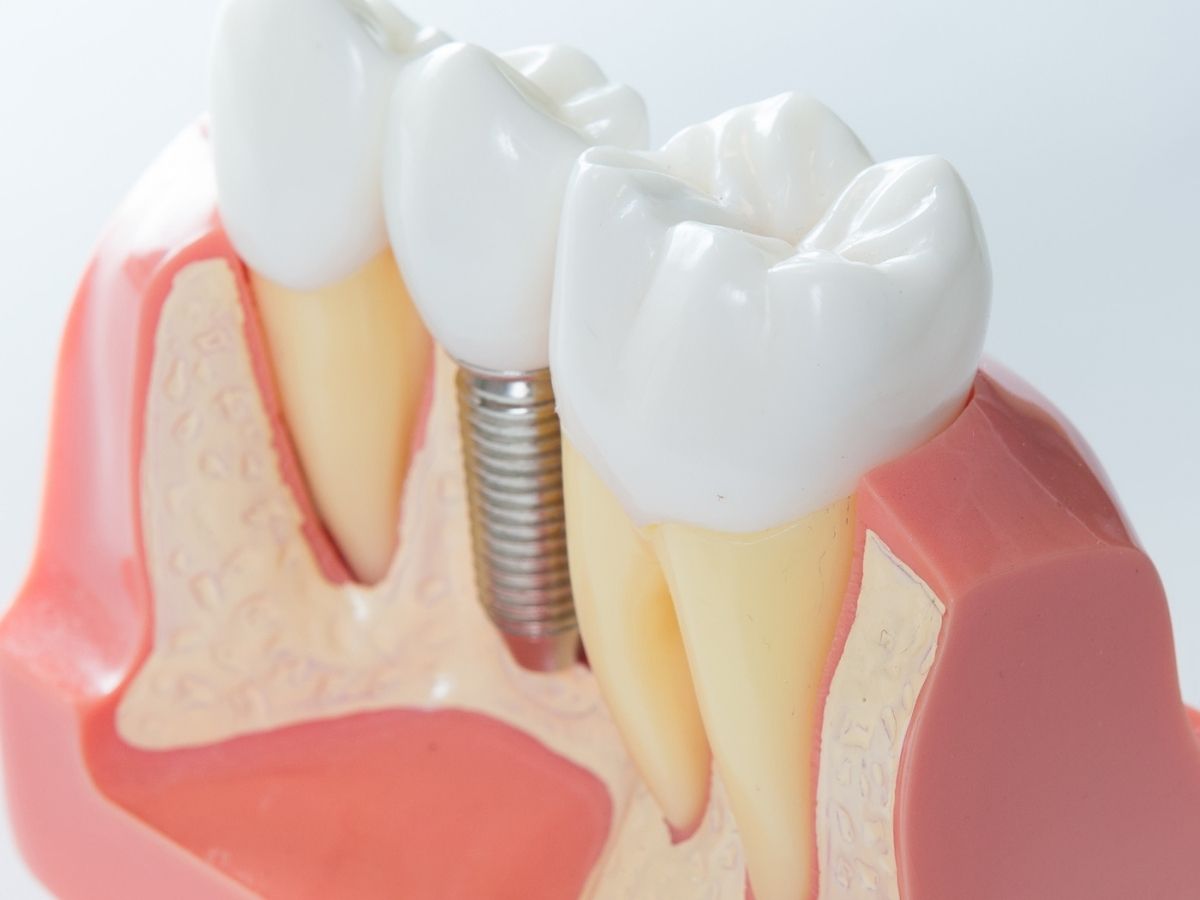
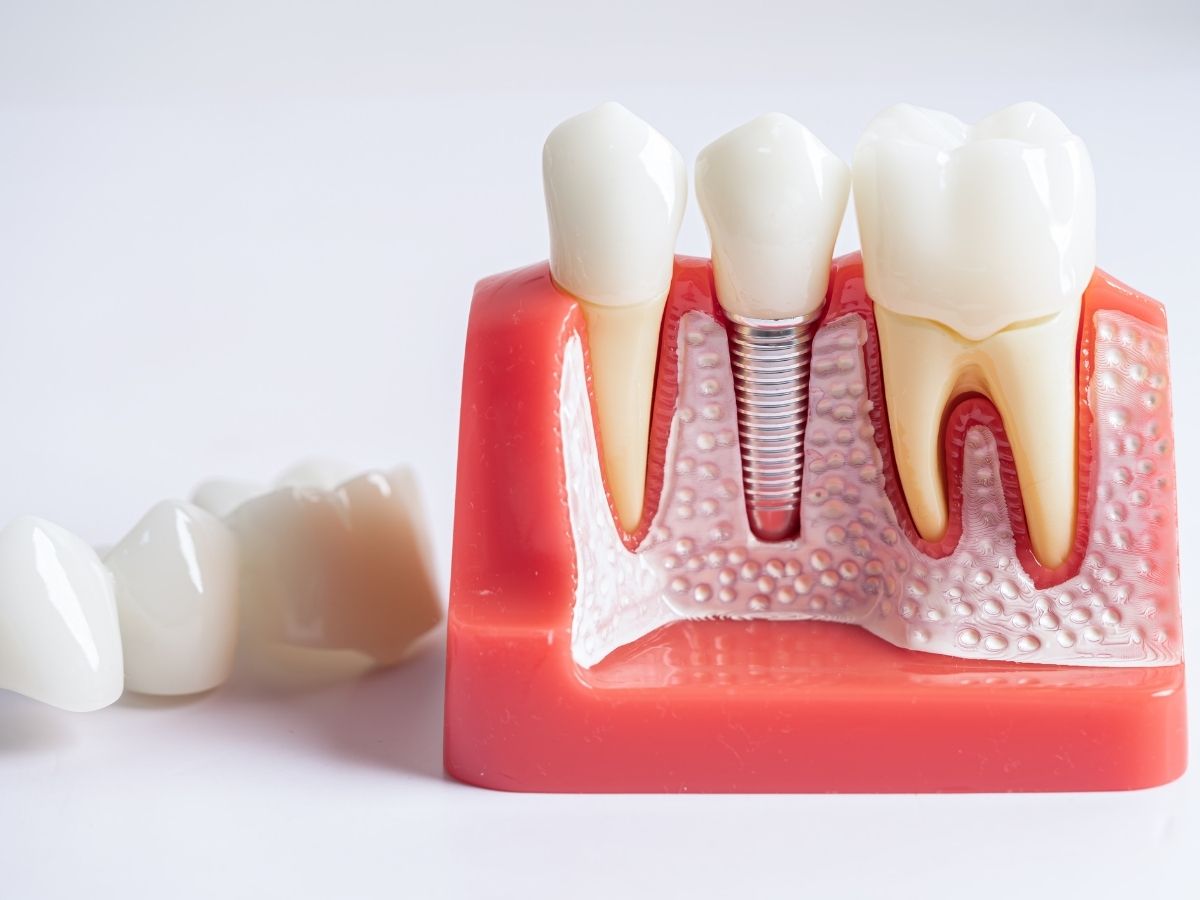
A dental implant is a small post placed into the jawbone to replace the root of a missing tooth. Once the implant has integrated with the surrounding bone, it can support a dental crown designed to replace the visible part of the tooth. This approach aims to restore both the function and appearance of the missing tooth.
The implant process usually involves an assessment, treatment planning, implant placement, a healing period, and fitting the final restoration. Your dentist will consider factors such as your oral health, jawbone condition, and overall needs before recommending treatment.
This guide explains each stage and what you can expect throughout the process.
At a Glance
- A dental implant is a titanium post placed in the jawbone that acts as an artificial tooth root.
- Implants can replace a single tooth, several teeth, or help anchor a full denture.
- The process relies on osseointegration, the bonding of the implant to the jawbone, which takes several months.
- Suitability depends on gum health, jawbone density, and overall health, assessed during a consultation.
- Advanced 3D imaging is used to plan implant placement with precision.
What Is a Dental Implant?
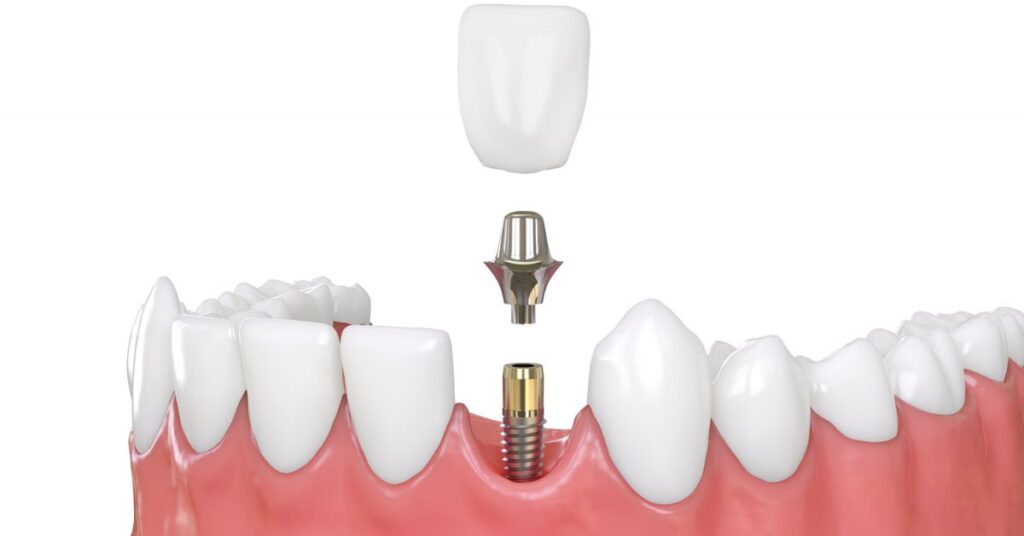
A dental implant is a small titanium post that is surgically placed into the jawbone to act as a replacement for a missing tooth root. Once it’s in place, a custom-made crown is attached on top to recreate the visible part of the tooth.
Titanium is used because it is well tolerated by the body and bonds naturally with bone over time. This bonding process, called osseointegration, is what gives an implant its stability. For patients considering dental implants in Lower Hutt, this natural integration is one of the key reasons titanium implants are so reliable and long-lasting. It works similarly to how a natural tooth root anchors securely into the jawbone.
Implants aren’t limited to single missing teeth. Two or more implants can support a bridge to replace several teeth in a row, and in some cases implants are used to help hold a full or partial denture more securely in place.
How Does a Dental Implant Replace a Missing Tooth?
A dental implant replaces a missing tooth by rebuilding it in two parts: a titanium root placed in the jawbone, and a crown fitted on top to match the shape, colour, and function of the tooth it’s replacing.
This two-part design is what sets implants apart from other options. A bridge relies on neighbouring teeth for support, and a denture sits on the gum without a root structure underneath. An implant, by contrast, restores the root as well as the crown, which may help support the shape of the jawbone in the area of the missing tooth over time.
The position and angle of nearby teeth influence where an implant is placed. Computed tomography (3D X-rays), computer-aided simulations, and surgical guides called stents are used to support careful, individualised planning of implant placement for each patient’s anatomy. Naenae Dental Clinic, a dentist in Lower Hutt, uses these planning tools to help assess anatomical structures and plan implant placement based on the patient’s individual needs and circumstances.
What Happens During the Dental Implant Process?
The dental implant process generally involves an initial consultation, surgical placement of the implant post, a healing period for osseointegration, and finally the fitting of the custom crown or restoration.
- Consultation and planning, your dentist reviews your dental and medical history, examines your gums and jawbone, and may take 3D imaging to assess whether implants are suitable.
- Implant placement, the titanium post is placed into the jawbone under local anaesthetic.
- Healing (osseointegration), the implant bonds with the surrounding bone. This stage can take several months, and the exact timeframe depends on individual healing.
- Restoration, once healing is confirmed, a custom-made crown, bridge, or denture attachment is fitted on top of the implant.
Because chewing forces on teeth can be significant, planning the number and position of implants carefully is an important consideration when working towards a suitable, individualised treatment outcome.
Am I a Candidate for Dental Implants?
Candidacy for dental implants depends on the health of your gums, the density and volume of your jawbone, your general health, and whether any existing dental issues need to be addressed first.
Some patients don’t have enough jawbone density to support an implant straight away. In these cases, a bone grafting procedure may be recommended to build up the area before a dental implant can be placed, though not everyone will need this step.
Certain medical conditions and medications can also be relevant to the assessment, which is why a thorough consultation is the starting point for anyone considering implants. The New Zealand Dental Association recommends that patients considering implants discuss their individual circumstances with their dentist, who can assess suitability and outline a realistic plan before treatment begins.
What Should I Expect During Recovery?
Recovery after implant placement typically involves some mild soreness or swelling in the days following surgery, which generally settles with time as the area heals.
The surgical placement itself is carried out under local anaesthetic to help manage discomfort during the procedure. Afterwards, caring for a dental implant is similar to caring for natural teeth, regular brushing, flossing, and routine check-ups help keep the implant and the surrounding gum tissue healthy. While the implant itself can’t develop decay, the gum and bone around it still need ongoing care.
If you have concerns about pain or anxiety around the procedure, it’s worth raising this with your dentist beforehand so they can talk through options for managing comfort throughout treatment.
Your dentist will also provide personalised aftercare instructions based on your treatment and individual circumstances. These may include guidance on eating softer foods for a period, avoiding activities that could disturb the healing site, and maintaining good oral hygiene while the area recovers.
Follow-up appointments are often recommended so healing can be monitored and any concerns can be discussed. Recovery times vary between individuals and may be influenced by factors such as overall health, oral hygiene practices, and the complexity of the procedure. Regular reviews help ensure the implant and surrounding tissues continue to heal as expected.
Frequently Asked Questions
How long does the dental implant process take from start to finish?
The overall timeframe varies from person to person. After the implant post is placed, a healing period is needed for it to integrate with the jawbone before the final crown is attached, which can take several months in total depending on individual healing and treatment complexity.
Is getting a dental implant painful?
The surgical placement is carried out under local anaesthetic to help manage discomfort during the procedure. Some patients notice mild soreness or swelling afterwards, which generally settles within a few days.
What is osseointegration?
Osseointegration is the process by which the titanium implant post bonds with the surrounding jawbone over time. This bonding is what gives the implant its stability and allows it to function in a way similar to a natural tooth root.
What happens if I don’t have enough jawbone for an implant?
Some patients may not have sufficient bone density to support an implant without additional treatment. Bone grafting can be used to build up the jawbone beforehand, though not all patients will need this, it depends on individual bone structure.
Can dental implants be used with dentures?
Yes, implants can be used to anchor a denture, which may offer improved stability for some patients compared with a conventional removable denture. Whether this is a suitable option depends on an individual’s oral health and bone structure, assessed during consultation.
Conclusion
Dental implants replace a missing tooth from the root up, using a titanium post that bonds with the jawbone to support a custom-made crown, bridge, or denture attachment. The right approach depends on individual factors like gum health, bone density, and overall health, which is why a personalised consultation is the best starting point.
If you’re weighing up your options for missing teeth, the team at Naenae Dental Clinic in Lower Hutt can talk you through whether implants may be a suitable path forward and what a realistic treatment plan could look like for your situation.
Sources:
- HealthEd New Zealand, Teeth and Oral Health Education Resources, https://healthed.govt.nz/collections/topic-teeth-and-oral-health
- Health New Zealand | Te Whatu Ora — Dentists and dental implants; https://www.health.govt.nz/your-health/services-and-support/health-care-services/visiting-dentist/publicly-funded-dental-care
- Health New Zealand | Te Whatu Ora, Dentists – Dental Implants Overview,
https://www.healthnz.govt.nz/hospitals-services/services-support/dentists - Health New Zealand | Te Whatu Ora — Dental care and oral health information; https://www.healthnz.govt.nz/health-topics/keeping-healthy/teeth-gums