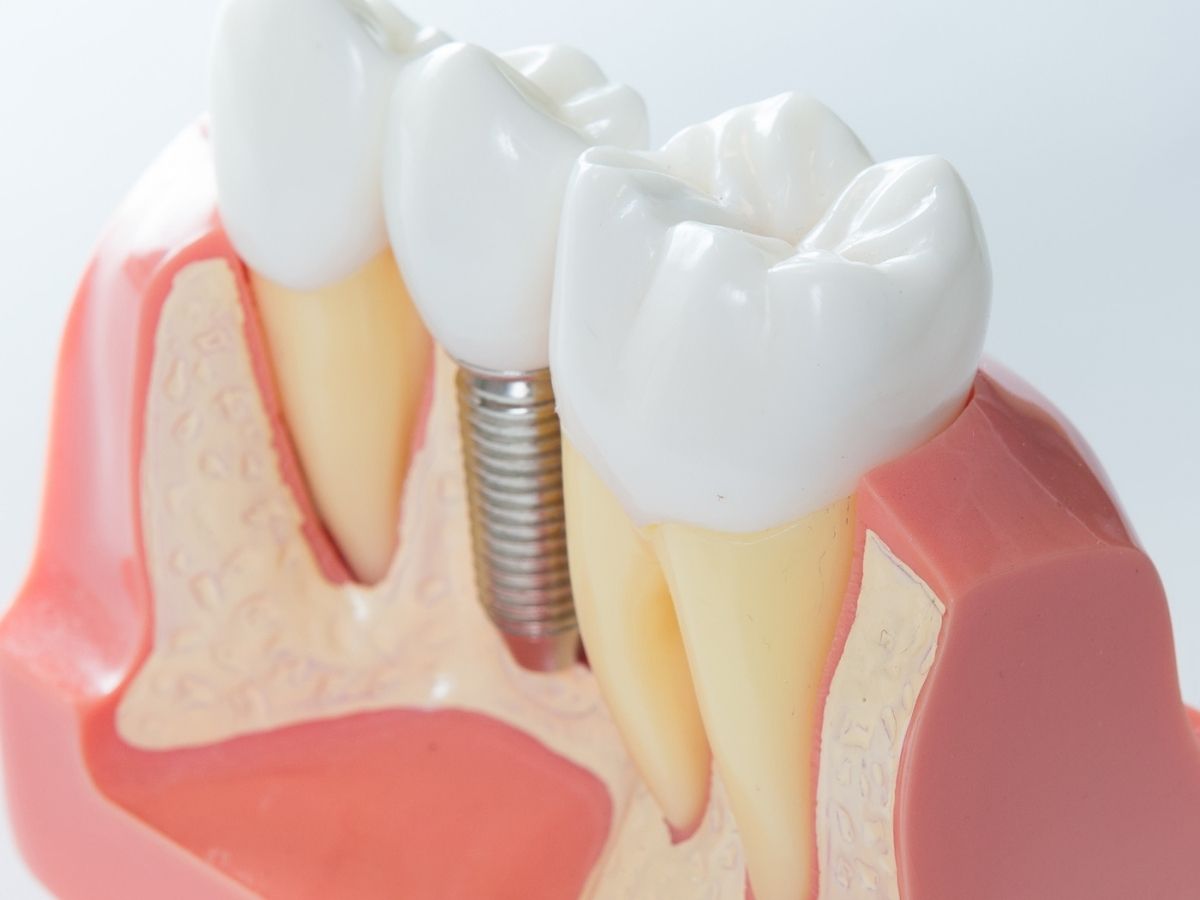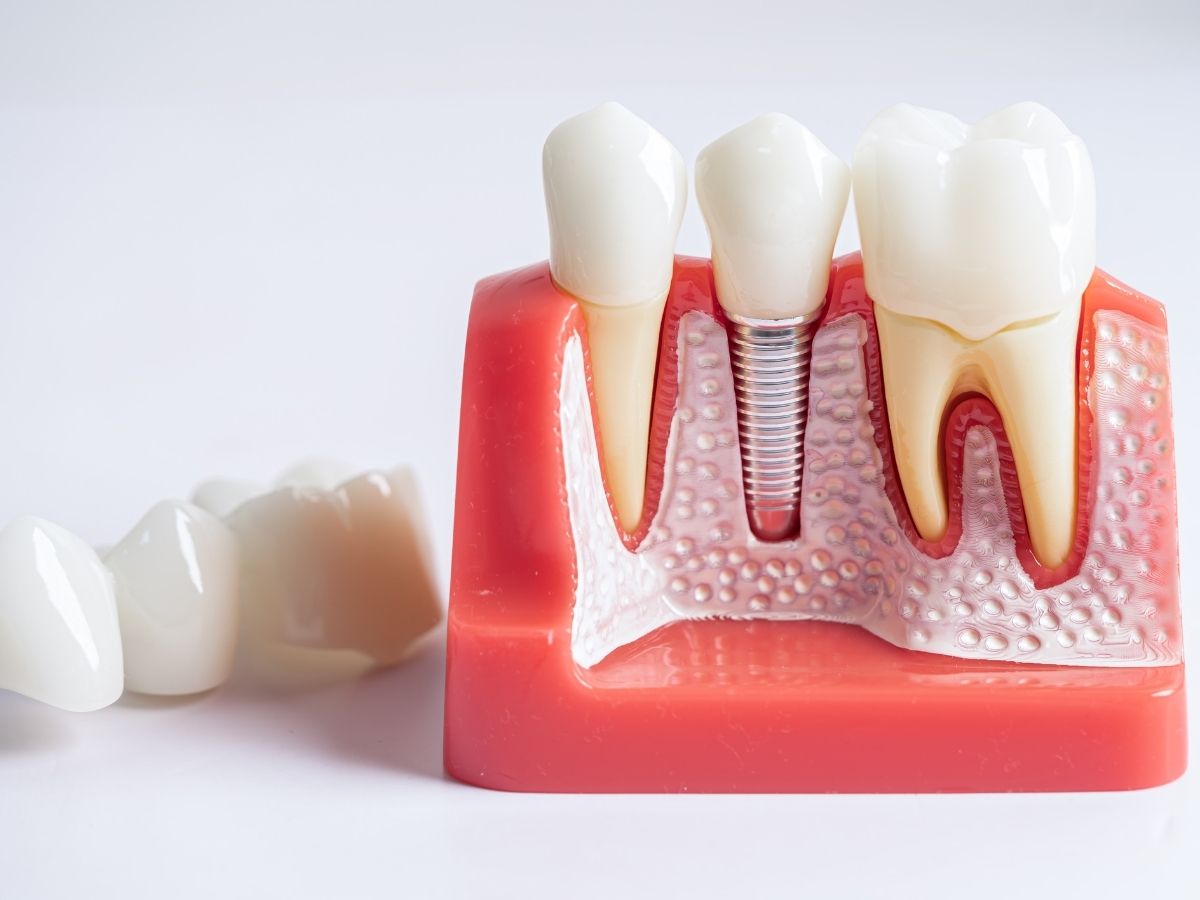
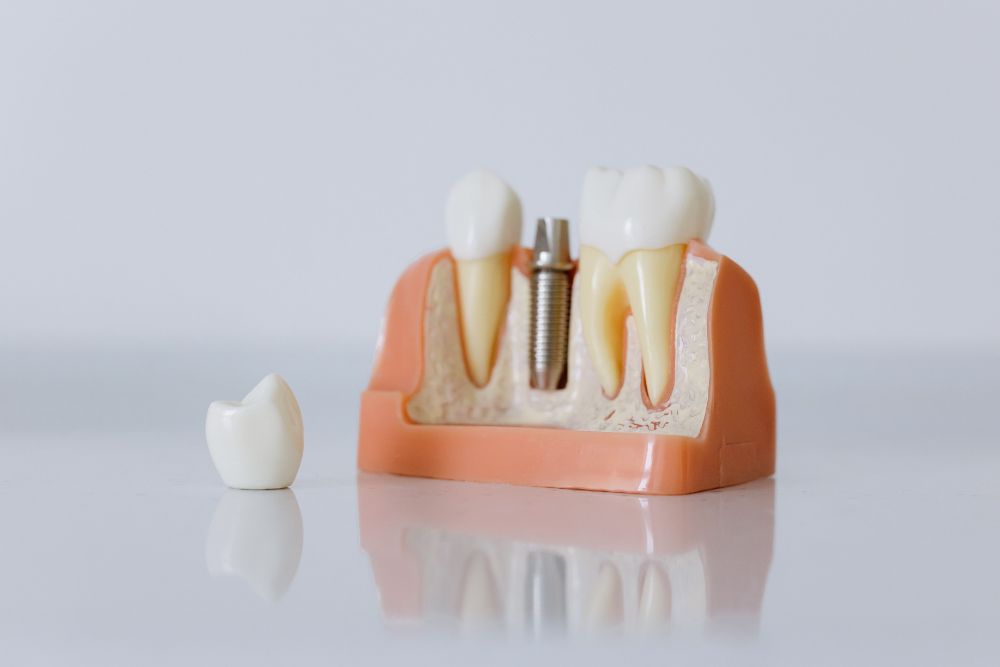

Low bone density is one of the most common concerns people raise when considering dental implants in Lower Hutt, often because they’ve read something online or been told in passing that implants “won’t work” for them. It’s an understandable worry, especially for people who’ve had a bone density scan for another reason entirely and assume the result automatically applies to their jaw as well.
In reality, the answer depends less on a general bone density diagnosis and more on the specific bone available at the implant site, which is why a proper assessment matters far more than assumptions.
As Health New Zealand Te Whatu Ora notes, osteoporosis is diagnosed based on bone density at specific sites such as the hip and spine, not the jaw, which is part of why a diagnosis elsewhere in the body doesn’t automatically predict how your jawbone will respond to treatment.
This guide explains how bone density is actually assessed for dental implants in 2026, what options exist if bone volume is limited, and what’s worth asking before ruling anything in or out, whether you’ve been told you have osteopenia, osteoporosis, or simply want to understand your options before booking a consultation.
At a glance:
- A general bone density diagnosis, such as osteopenia or osteoporosis, doesn’t automatically rule out dental implants.
- Jaw bone quality is assessed separately from bone density elsewhere in the body, like the hip or spine.
- Bone grafting is one option when there isn’t enough bone volume at the implant site.
- Certain medications and health conditions can influence healing, so these are reviewed as part of assessment.
- Alternatives like bridges and dentures remain available if implants aren’t suitable.
How Does Bone Density Affect Dental Implant Success?
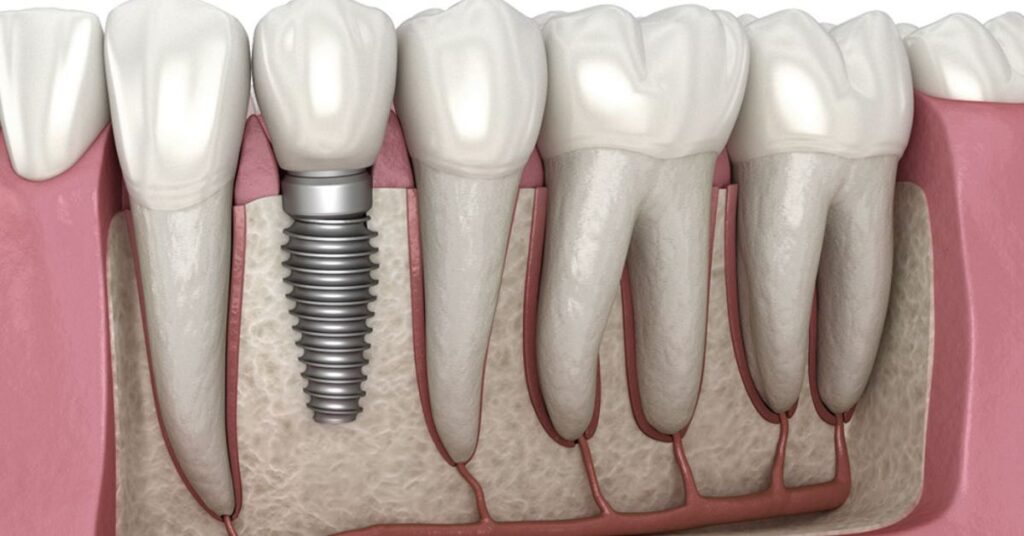
Low bone density on its own doesn’t automatically rule someone out of getting dental implants, but it is one of the main factors your dentist will assess before recommending treatment. Because dental implants in Lower Hutt rely on fusing with the jawbone for stability, the quantity and quality of bone at the implant site matters more than a general bone density diagnosis elsewhere in the body, such as the hip or spine.
This is an important distinction. Osteoporosis New Zealand explains that a bone density scan measures bone strength at sites like the hip and spine, and a diagnosis from that scan doesn’t automatically predict how the jawbone will respond to an implant. Your dentist will usually assess the jaw specifically, often using imaging, rather than relying on a general bone density result alone.
What Happens During a Dental Implant Assessment?
Before recommending implants, a dentist typically reviews your medical history, current medications, and takes imaging of the jaw to measure bone volume at the implant site. This helps determine whether the existing bone can support an implant, or whether additional preparation might help first.
Medical history matters here too. Conditions linked to lower bone density, along with certain medications used to manage them, can influence healing and how well an implant integrates, so this is usually discussed openly as part of the assessment rather than treated as an automatic barrier. The Dental Council of New Zealand’s practitioner standards expect registered dentists to carry out this kind of individualised assessment before recommending treatment.
Can Bone Grafting Help With Low Bone Density?
Bone grafting is one of the more common ways dentists address limited bone volume at an implant site. It involves adding graft material to build up bone before or during implant placement.
Grafting doesn’t suit every situation, and healing times can be longer than a standard implant procedure. Whether it’s a suitable option depends on how much bone is present, where the implant is planned, and your overall health.
If bone grafting is being discussed as part of your treatment plan, it’s worth asking a dentist in Lower Hutt how it might affect your timeline and what the healing process typically involves, since this varies from person to person.
What Other Factors Affect Implant Suitability?
Bone density is only one part of the picture. Gum health, smoking status, certain chronic conditions, and some medications, including bisphosphonates sometimes used to manage osteoporosis, can influence whether implants are suitable and how healing progresses.
This is why implant assessments usually involve a conversation between your dentist and, where relevant, your GP or specialist, rather than a decision based on a single scan or diagnosis in isolation.
Age on its own isn’t automatically a barrier either; many people in their seventies and eighties are still considered good candidates for implants, provided their bone and general health support it.
Are There Alternatives If Implants Aren’t Suitable?
If implants aren’t recommended in your case, there are other ways to replace missing teeth, including bridges and dentures, which don’t rely on the same degree of bone integration.
In some cases, a staged approach such as bone grafting followed by a later implant review may also be an option. The right path depends on your individual bone health, goals, and what your dentist in Lower Hutt finds during assessment.
What Should You Ask Before Considering Implants?
Naenae Dental Clinic reviews your medical history, current bone health, and jaw imaging as part of assessing implant suitability, so any recommendation is based on your specific situation rather than a general assumption about bone density.
It’s reasonable to ask what your bone density means for your specific treatment plan, whether grafting might be needed, and what a realistic timeline looks like. A provider offering dental implants should be able to walk you through these details clearly as part of a standard consultation.
The New Zealand Dental Association’s public guidance also recommends asking about individual risk factors as a standard part of any implant conversation.
Frequently Asked Questions
Can I get dental implants if I have osteoporosis?
It depends on the bone available at the implant site, not just an osteoporosis diagnosis. Many people with osteoporosis can still be candidates, but this needs to be assessed individually by a dentist.
Does bone grafting always work for low bone density?
Not always, and outcomes vary depending on how much bone is needed, where the implant is planned, and individual healing factors. Your dentist can explain whether grafting is likely to suit your situation.
How is bone density around the jaw assessed?
Dentists typically use imaging of the jaw itself, rather than relying solely on a general bone density scan result from elsewhere in the body, to assess whether the site can support an implant.
Are bisphosphonates a barrier to dental implants?
Not necessarily, but these medications can affect healing and are an important part of the conversation with your dentist and doctor before implant treatment is planned.
What are the alternatives to implants if I’m not a candidate?
Bridges and dentures are common alternatives that don’t rely on the same degree of bone integration, and a staged approach involving grafting may also be considered in some cases.
Conclusion
Low bone density doesn’t automatically rule out dental implants, but it does mean the decision should be based on a proper assessment rather than a general diagnosis alone. What matters most is the bone available at the implant site itself, not a scan result from the hip or spine, and that’s something only a dentist can evaluate through imaging and a review of your medical history.
Options like bone grafting, staged treatment, or alternatives such as bridges and dentures mean there’s usually a path forward, even when a standard implant isn’t the first recommendation.
If you have osteopenia, osteoporosis, or simply want clarity before making a decision, the team at Naenae Dental Clinic can assess your bone health and talk you through what your options actually look like.
Sources:
- American Academy of Periodontology. (n.d.). Dental Implant Procedures. Available at:
https://www.perio.org/for-patients/periodontal-treatments-and-procedures/dental-implant-procedures/ - Guy’s and St Thomas’ NHS Foundation Trust. (n.d.). Having a Dental Implant. Available at:
https://www.guysandstthomas.nhs.uk/health-information/dental-implants/having-dental-implant - Association of Dental Implantology. (n.d.). What is Dental Implantology? Available at:
https://www.adi.org.uk/resources/what_is_dental_implantology - U.S. Food and Drug Administration. (n.d.). Dental Implants: What You Should Know. Available at:
https://www.fda.gov/medical-devices/dental-devices/dental-implants-what-you-should-know