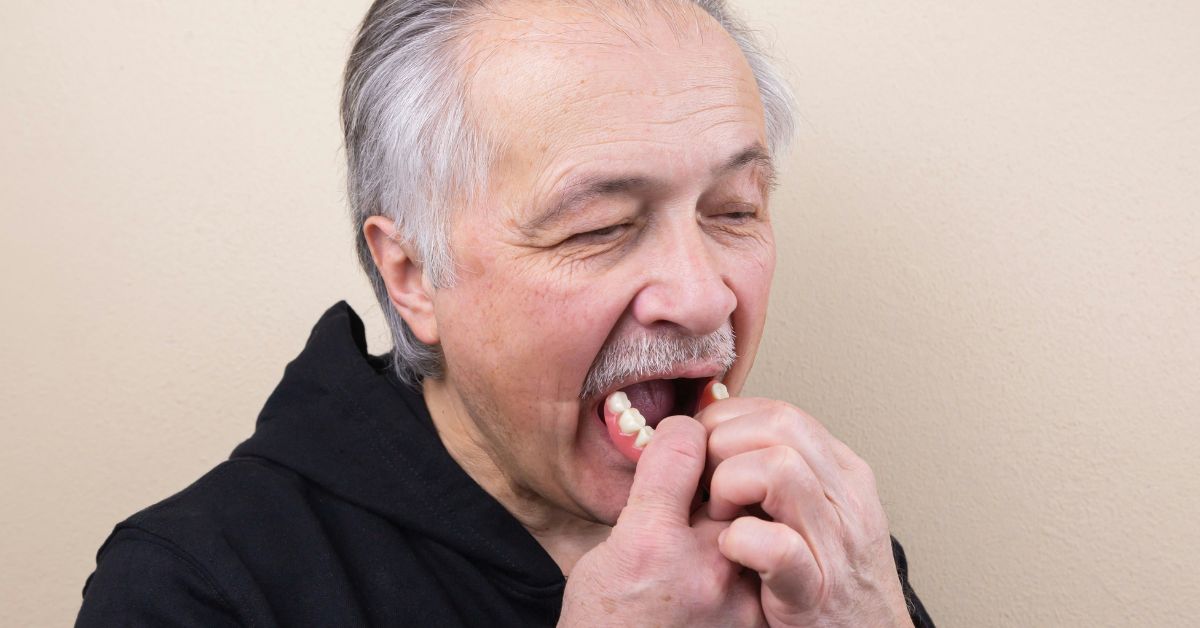
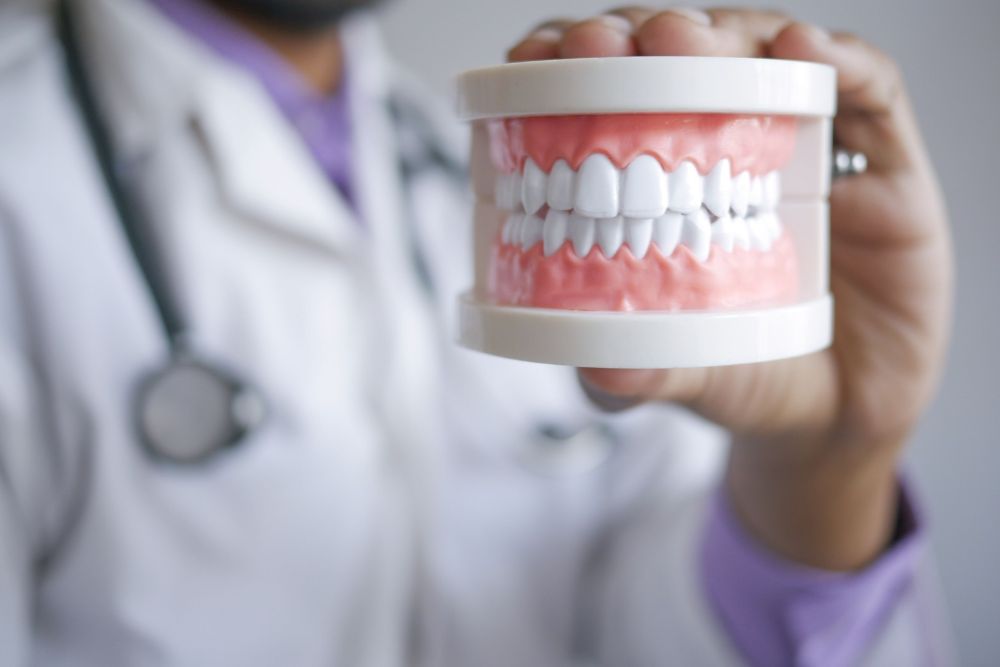

Dentures that once fitted comfortably can slowly start to feel loose, rub your gums, or click when you speak. Many people assume this means they need a brand-new set, but that is not always the case. Often, a denture reline is enough to restore a more secure and functional fit without replacing the whole denture.
A denture reline is a procedure that reshapes the fitting surface of your denture so it matches the current shape of your gums. Your mouth naturally changes after teeth are lost, and dentures that stay the same shape can become uncomfortable.
Knowing the difference between a reline and a replacement may save you time and help protect your oral health. In this guide, you will learn what a reline involves, the signs your denture needs attention, when a new denture makes more sense, and what to expect at your appointment so you can make an informed decision with your dentist.
At a Glance
- A denture reline adds new material to the fitting surface of a denture so it fits your gums again.
- A reline is usually suitable when the denture teeth and base are still in good condition but the fit has loosened.
- A new denture is often needed when the denture is cracked, the teeth are worn, or your bite has changed significantly.
- Gum and bone changes after tooth loss are the main reason dentures stop fitting.
- Regular check-ups help your dentist spot fit problems early.
What Is a Denture Reline?
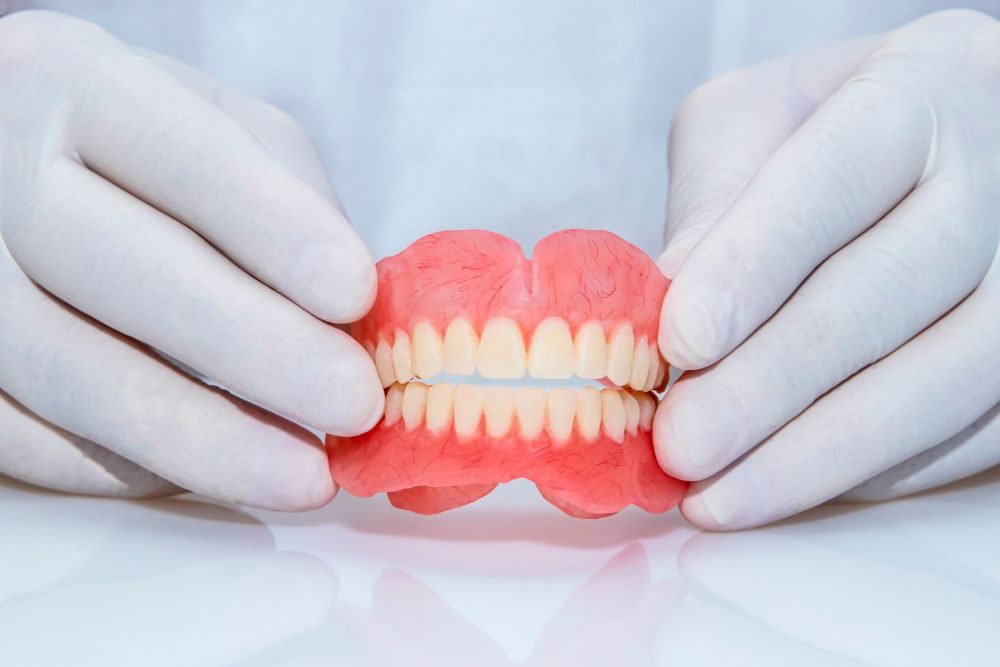
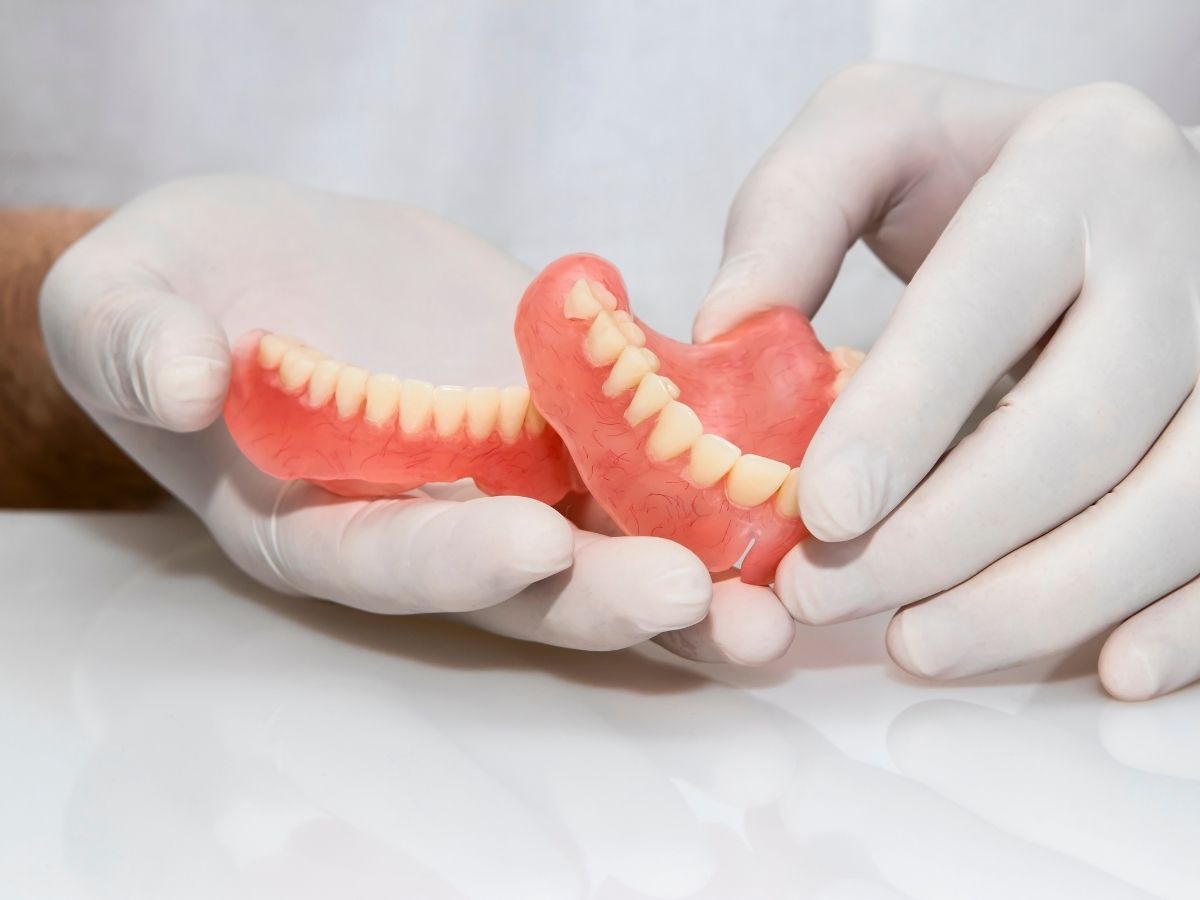
A denture reline is a procedure that resurfaces the underside of a denture, the part that sits against your gums, with new acrylic or soft lining material. It improves the fit and comfort of an existing denture without replacing the teeth or the main denture base. For people wearing dentures in Lower Hutt, a reline is a common way to extend the usefulness of a well-made denture. It can be done on complete dentures, partial dentures, and some implant-supported dentures.
A reline is different from a simple adjustment. An adjustment involves trimming or polishing small areas that rub, while a reline changes the entire fitting surface to match your current gum shape.
Why Do Dentures Stop Fitting Over Time?
Dentures stop fitting over time mainly because the jawbone and gums slowly shrink after teeth are lost. This process, called bone resorption, changes the shape of the ridges that support your denture, even though the denture itself stays the same shape.
Bone resorption is a normal process. Without tooth roots to stimulate the bone, the jawbone gradually reduces in height and width. The changes are often fastest in the first months after extractions, which is why immediate dentures commonly need relining once healing settles. The American Dental Association notes that immediate dentures may need to be relined or remade after the jaw has healed.
Weight changes, certain health conditions, and long-term wear of the denture base can also affect the fit.
What Are the Signs You Need a Denture Reline?
The main signs you need a denture reline are a denture that feels loose, moves when you eat or speak, causes sore spots, or needs more denture adhesive than before. These signs usually mean the fitting surface no longer matches your gums.
Look out for:
- The denture slips, rocks, or drops when you talk or chew.
- Food often gets trapped under the denture.
- You notice new sore spots, redness, or ulcers on your gums.
- You need more adhesive to keep the denture in place.
- Your speech sounds different, or the denture clicks.
A dentist in Lower Hutt can check whether these problems come from the fit, the bite, or the denture itself. A poorly fitting denture should not be ignored, as constant rubbing can irritate the gums and make eating less comfortable.
When Is a New Denture Needed Instead of a Reline?
A new denture is usually needed instead of a reline when the denture is cracked or broken, the teeth are badly worn, the bite no longer lines up, or the gums have changed so much that a reline cannot restore a stable fit. In these cases, relining would only be a short-term fix.
Other reasons to consider a new denture include stains that cannot be removed, a denture base that has become thin or warped, or changes in your face shape, such as the lower face looking shorter. Worn denture teeth can also reduce chewing ability and change how your jaw closes.
At Naenae Dental Clinic, the team examines both the denture and your gums before recommending a reline or a new denture, so the recommendation reflects your individual situation. Because treatment outcomes vary between patients, seeing a dental clinic in Lower Hutt is also a chance to discuss options such as implant-supported dentures.
What Are the Different Types of Denture Relines?
There are three main types of denture relines: hard relines, soft relines, and temporary relines. Each uses a different material and suits a different situation, depending on your gum health and how long the reline needs to last.
- Hard reline: uses firm acrylic that bonds to the denture base. It is the most durable option and is often completed in a dental laboratory.
- Soft reline: uses a flexible, cushioning material. It can suit people with thin or tender gums but usually needs replacing more often.
- Temporary reline: uses a soft conditioning material to let irritated gums heal before a hard reline or a new denture is made.
Patients with dentures in Lower Hutt can talk with their dentist about which material suits their gums and lifestyle.
What Happens During a Reline Appointment?
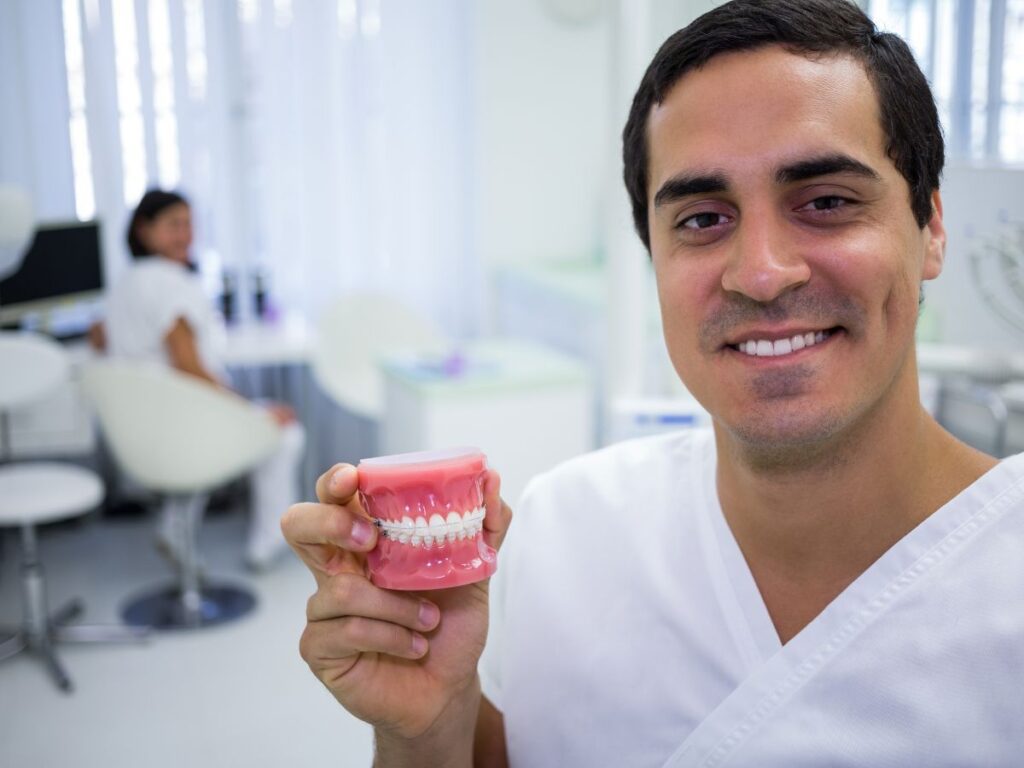
During a denture reline appointment, your dentist checks your gums and denture, then takes an impression using your existing denture as a tray. The new lining is added either in the clinic or in a dental laboratory.
- Examination: your gums, bite, and denture are checked for sore spots and damage.
- Impression: a lining material is placed inside the denture and seated in your mouth to record your gum shape.
- Relining: the new material is processed and bonded to the denture.
- Fitting: the relined denture is tried in, and any pressure points are adjusted.
A chairside reline may be finished on the same day, while a laboratory reline may mean going without your denture for a short time.
How Can You Keep Your Dentures Fitting Well?
You can help keep your dentures fitting well by cleaning them daily, removing them overnight if advised, handling them carefully, and attending regular dental check-ups. These habits help protect both the denture and the gums underneath.
Avoid home reline kits, as they can change your bite and damage the denture base. Brush your gums gently and soak your dentures in a suitable cleaner. For a broader background on how dentures are made and used, this overview of dentures is a helpful reference. The New Zealand Dental Association also provides general guidance on caring for your mouth and gums.
Frequently Asked Questions
How often do dentures need relining?
There is no fixed schedule, as it depends on how quickly your gums change. Your dentist can check the fit at regular appointments and advise when a reline may be helpful.
Does a denture reline hurt?
A denture reline is generally well-tolerated. Most people feel only mild pressure while the impression is taken.
Can a partial denture be relined?
Yes. Many acrylic partial dentures can be relined if the framework and teeth are still in good condition.
Can I wear my denture while it is being relined?
With a chairside reline, you can usually wear your denture the same day. A laboratory reline may need the denture to stay with the lab for a short time.
Final Thoughts
A loose or uncomfortable denture does not always mean you need a new one. When the teeth and base are in good shape, a denture reline can often restore a comfortable fit. When the denture is damaged, worn, or no longer matches your bite, a new denture is usually the more suitable option.
As of 2026, modern lining materials and digital tools help dentists assess and improve denture fit. Still, every mouth is different, and treatment outcomes vary depending on individual circumstances.
If your denture feels loose or sore, the team at Naenae Dental Clinic can check the fit, explain your options, and help you choose the next step. Book a consultation and take a step toward better-fitting dentures.
Source
- Cambridge University Hospitals NHS Foundation Trust. (n.d.). Denture Care – Looking After Your Dentures. Available at:
https://www.cuh.nhs.uk/patient-information/denture-care-looking-after-your-dentures/ - American Dental Association. (n.d.). Dentures. Available at:
https://www.ada.org/resources/ada-library/oral-health-topics/dentures - NHS. (n.d.). Dentures. Available at:
https://www.nhs.uk/tests-and-treatments/dentures/ - American Dental Association. (n.d.). Dentures. Available at:
https://www.mouthhealthy.org/all-topics-a-z/dentures