
Many people who wear dentures notice that their face looks a little different as the years go by. The lips may seem thinner, the chin may move closer to the nose, or the cheeks may look slightly hollow. It is natural to wonder whether wearing dentures is causing these changes, or whether something else is going on.
The short answer is that dentures themselves do not usually change the shape of your face. The main cause is the gradual loss of jawbone that happens after natural teeth are removed. However, dentures that no longer fit well or have worn down over time can make these facial changes more noticeable.
Well-fitting dentures, on the other hand, can help support your lips and cheeks. In this guide, you will learn why the face changes after tooth loss, how old or loose dentures affect your appearance, what options may help, and when to have your dentures checked by your dentist.
At a Glance
- Dentures do not usually change the shape of your face on their own.
- The main cause of facial change is bone loss in the jaw after teeth are removed.
- Old, worn, or loose dentures can make the lower face look shorter and the lips look thinner.
- Well-fitting dentures can help support the lips, cheeks, and facial profile.
- Regular denture check-ups help spot fit and bite changes early.
Do Dentures Themselves Change the Shape of Your Face?
Dentures do not usually change the shape of your face by themselves. Facial changes are mainly caused by the jawbone slowly shrinking after teeth are lost, a process that continues whether or not you wear dentures.
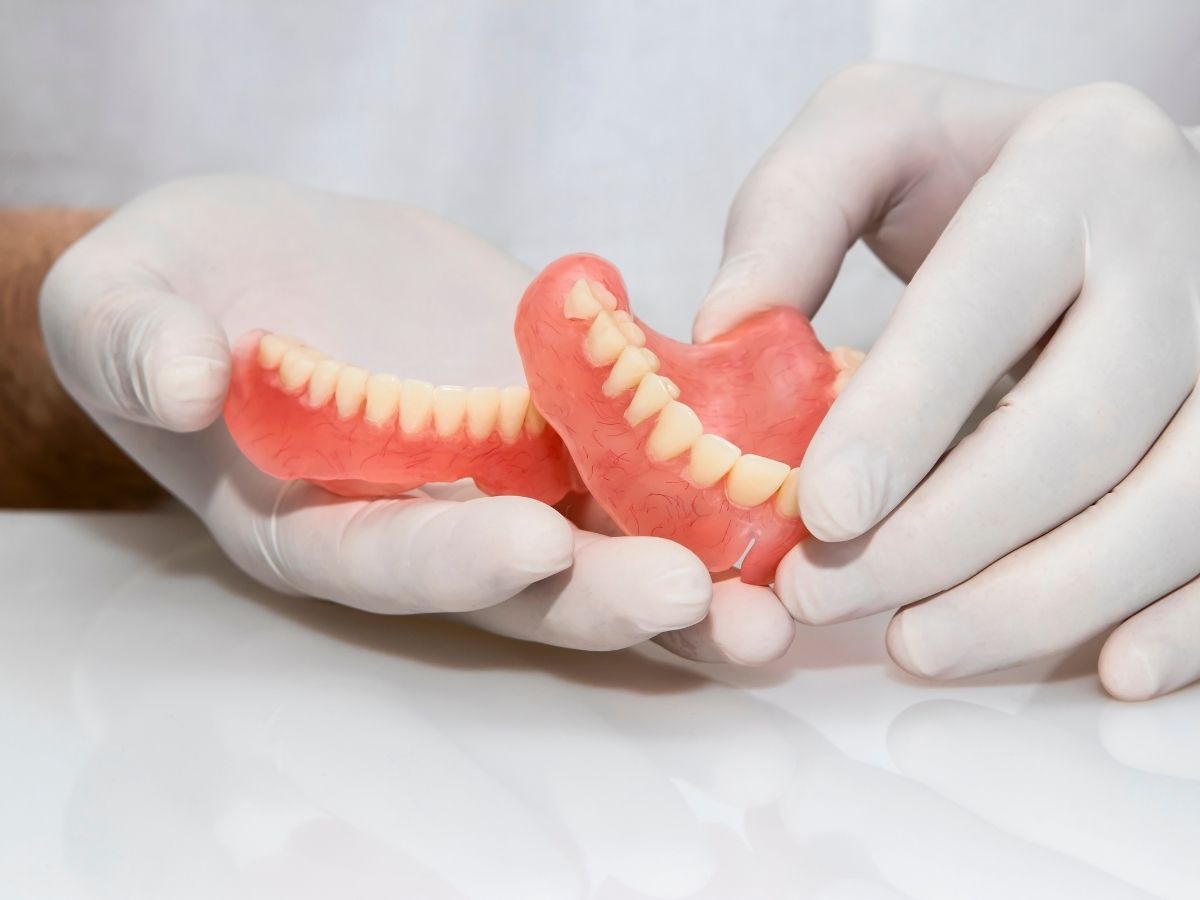
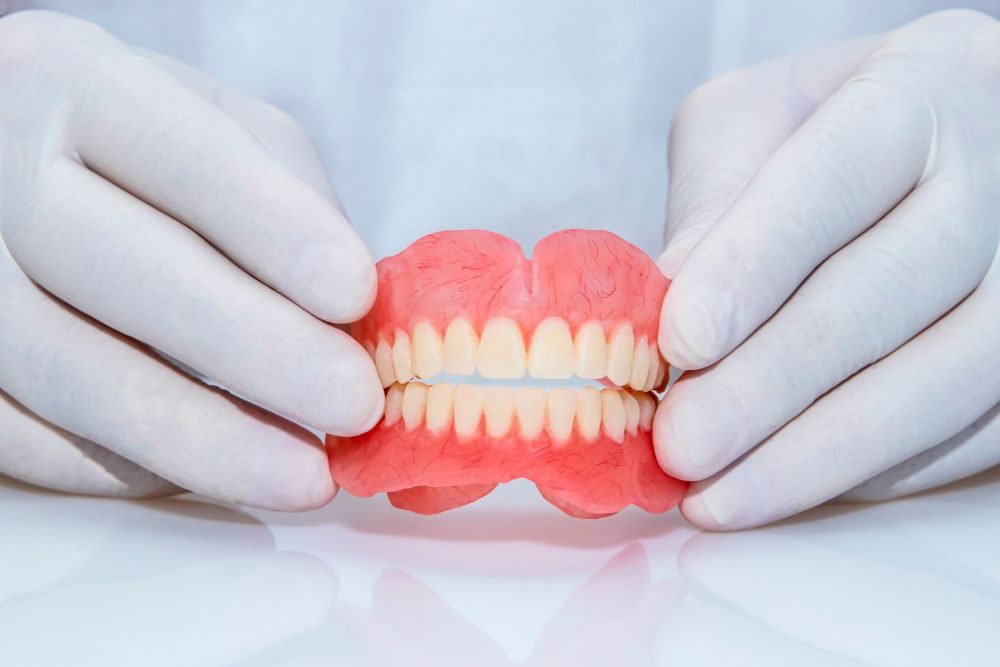
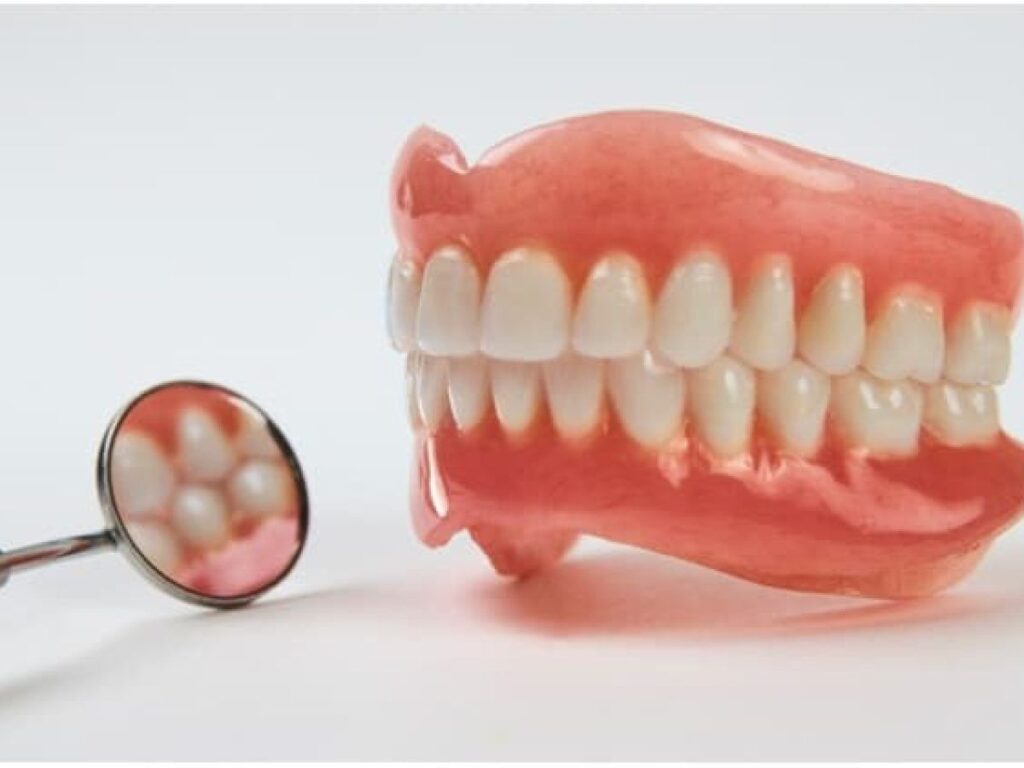
How well your dentures fit can affect how noticeable these changes are. For people wearing dentures in Lower Hutt, it helps to understand that a denture is designed to replace both the teeth and some of the support they once gave your face. The denture teeth and base hold out the lips and cheeks, which helps keep a natural profile.
Problems tend to appear when a denture stays the same while the mouth underneath keeps changing. Over time, this mismatch can affect both comfort and appearance.
Why Does the Face Change After Tooth Loss?
The face changes after tooth loss mainly because the jawbone that once held the teeth begins to shrink. This process, known as bone resorption, reduces the height and width of the jaw ridges, which can affect the support for the lips, cheeks, and chin.
Natural tooth roots help keep the surrounding jawbone active. Once the roots are gone, the body gradually reabsorbs some of that bone. The American Dental Association notes that when all the teeth are lost, facial muscles can sag and make a person look older, and that dentures can help fill out the appearance of the face and profile.
Bone loss usually happens slowly and continues over many years. Ageing, general health, and how long someone has been without teeth can all influence how much change occurs.
What Facial Changes Can Happen With Old or Poorly Fitting Dentures?
Old or poorly fitting dentures can make facial changes more noticeable by allowing the jaws to close further than they should. This can make the lower face look shorter, the lips look thinner, and the corners of the mouth turn down.
Common changes include:
- The chin appears to move closer to the nose.
- Lips that look thinner or folded inward.
- Deeper lines around the mouth and chin.
- Sore or cracked corners of the mouth.
- Cheeks that look slightly sunken.
These changes often happen because denture teeth wear down and the gums shrink, reducing the distance between the upper and lower jaws. A dentist in Lower Hutt can measure your bite and check whether your dentures are still giving your face the right support.
How Can Well-Fitting Dentures Support the Shape of Your Face?
Well-fitting dentures can help support the shape of your face by holding the lips and cheeks in a natural position and keeping the correct distance between your upper and lower jaws. This distance, called the vertical dimension, plays a key role in how your lower face looks.
When dentures are made, the dentist carefully plans the size, shape, and position of the teeth to suit your face. A relined or remade denture can sometimes restore some of the lip and cheek support lost as an older denture wears down.
At Naenae Dental Clinic, the team looks at your facial profile, bite, and gum shape when assessing dentures, so any recommendation reflects your individual needs. Because results vary between patients, seeing a dentist in Lower Hutt for a denture review is a helpful way to find out whether a reline, new denture, or another option suits you.
Can Implant-Supported Dentures Help Reduce Bone Loss?
Implant-supported dentures may help reduce bone loss in the areas where implants are placed. The implants sit in the jawbone and act a little like tooth roots, which may help maintain the bone around them.
Implant-supported dentures attach to two or more dental implants, which can provide additional stability compared to traditional dentures. This added stability may help with chewing and speaking. Implant-supported dentures are not suitable for everyone, as you need enough healthy bone and good general health for implant treatment.
If you currently have dentures in Lower Hutt and want more stability, your dentist can assess whether implant support is an option for you.
When Should You Have Your Dentures Checked?
You should have your dentures checked at regular dental appointments and sooner if they feel loose, cause sore spots, or you notice changes in your appearance or bite. Early checks make it easier to correct small problems before they affect your comfort or facial support.
Signs it may be time for a check include:
- Your dentures slip or click when you talk.
- You need more adhesive than before.
- The denture teeth look flat or worn.
- You notice new sore spots or cracks at the corners of your mouth.
- Family or friends comment that your face looks different.
Even if you have no natural teeth, regular dental visits are still important for your overall oral health. Your dentist can also check your gums, tongue, and the soft tissues of your mouth.
How Can You Help Protect Your Jawbone and Facial Shape?
You can help protect your jawbone and facial shape by keeping your dentures well fitted, attending regular check-ups, and replacing or relining dentures when advised. Good oral hygiene and general health also support the tissues of your mouth.
Clean your dentures daily, brush your gums gently, and remove your dentures overnight if your dentist recommends it. Avoid home reline kits or repairs, as they can change your bite.
To learn more about how the body reshapes bone over time, this overview of bone resorption is a helpful reference. The New Zealand Dental Association also provides general guidance on caring for your mouth and gums.
Frequently Asked Questions
Can dentures make you look older?
Dentures do not usually make you look older. Worn or loose dentures can reduce support for the lips and cheeks, which may make age-related changes more noticeable.
Can new dentures change how my face looks?
Yes. New dentures can change how your lips and cheeks are supported, which may alter your appearance slightly. Your dentist plans the teeth to suit your face.
Should I sleep with my dentures in?
Many dentists advise removing dentures overnight to let your gums rest. Ask your dentist what suits your situation.
Does bone loss stop if I wear dentures?
No. Traditional dentures do not stop bone loss, but well-fitting dentures can help reduce uneven pressure on your gums.
Final Thoughts
Wearing dentures does not usually change the shape of your face on its own. Most facial changes come from gradual bone loss after tooth loss, and old or poorly fitting dentures can make these changes more noticeable. Keeping your dentures well fitted can help support your lips, cheeks, and profile.
As of 2026, modern denture materials and careful bite planning help dentists design dentures that aim to support the natural contours of your face. Still, every mouth is different, and treatment outcomes vary depending on individual circumstances.
If you have noticed changes in your face or denture fit, the team at Naenae Dental Clinic can review your dentures, explain your options, and help you plan the next step. Book a consultation to talk about your comfort and oral health.
Sources:
- American Dental Association (MouthHealthy) – Dentures
Supports: How facial muscles can sag after tooth loss, and how dentures can help support the face and profile
https://www.mouthhealthy.org/all-topics-a-z/dentures - New Zealand Dental Association – Older People
Supports: General oral health guidance for older New Zealanders
https://www.nzda.org.nz/public/your-oral-health/older-people - NHS – Dentures (false teeth)
Supports: Removing dentures overnight, and when dentures may need relining or replacing
https://www.nhs.uk/tests-and-treatments/dentures/ - American Dental Association (MouthHealthy) — Dentures
Supports: How facial muscles can sag after tooth loss, and how dentures can help support the face and profile
https://www.mouthhealthy.org/dentures